Water Damage Restoration Anoka, MN
Water damage restoration for homes and businesses in Anoka, where the Rum River meets the Mississippi. Crews pull out standing water, map moisture and dry structures to measured readings.
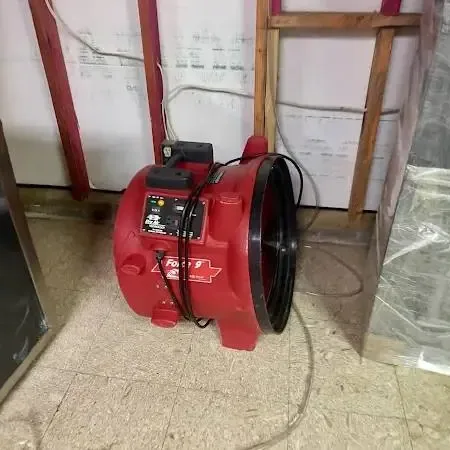
Water damage services for homes and businesses
Each loss gets its own extraction and drying plan, from a small leak to a flooded basement.
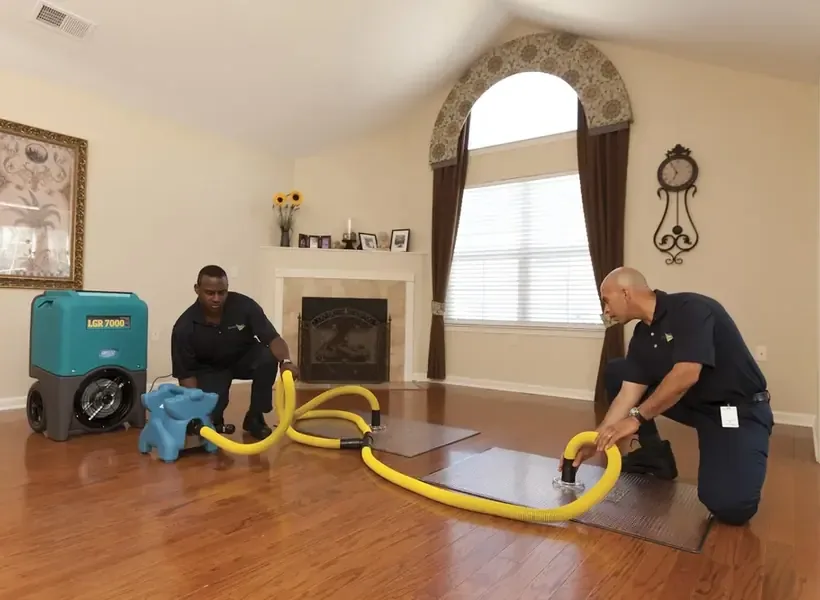
Water Extraction and Removal
Pumps and truck-mounted extractors lift standing water from floors, carpet and pad.
How it is handled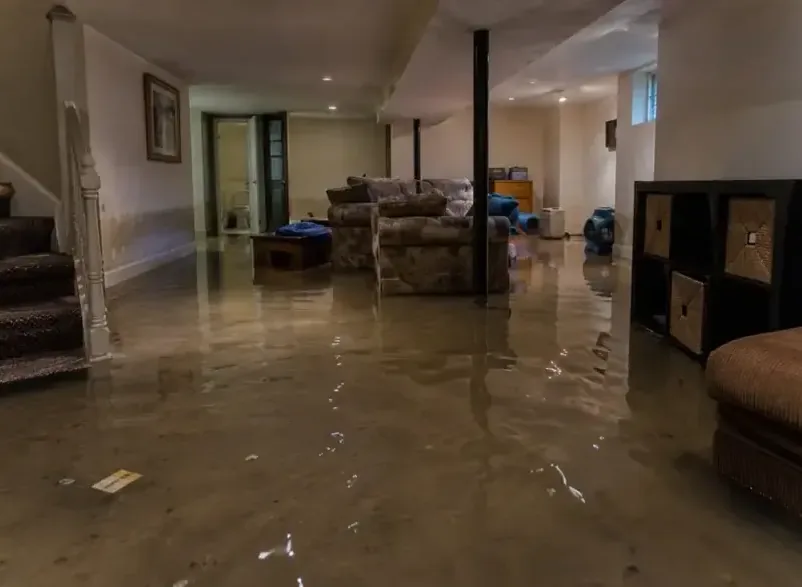
Basement Flooding Cleanup
Flooded lower levels are pumped out, stripped of wet materials and dried by readings.
How it is handled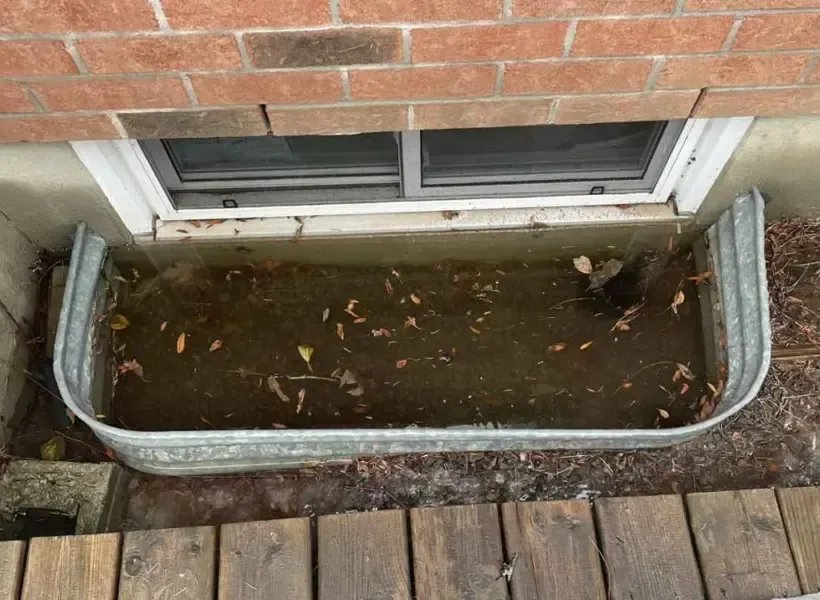
Sump Pump Failure Cleanup
A failed pump soaks the pit area and floor, so extraction comes first.
How it is handled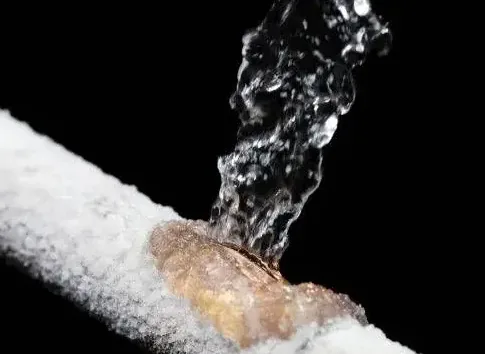
Frozen Pipe Water Damage
A thawed pipe floods a wall cavity, so wet insulation and drywall come out.
How it is handled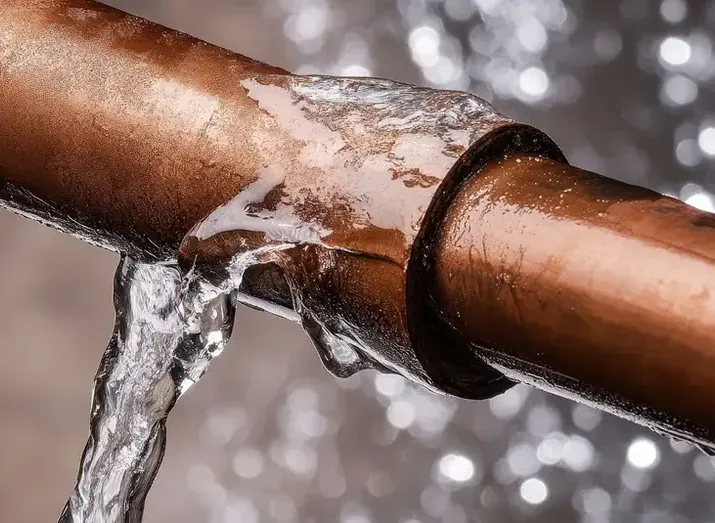
Burst Pipe Water Damage
Split pipes soak floors and the ceiling below, so wet layers are opened and dried.
How it is handled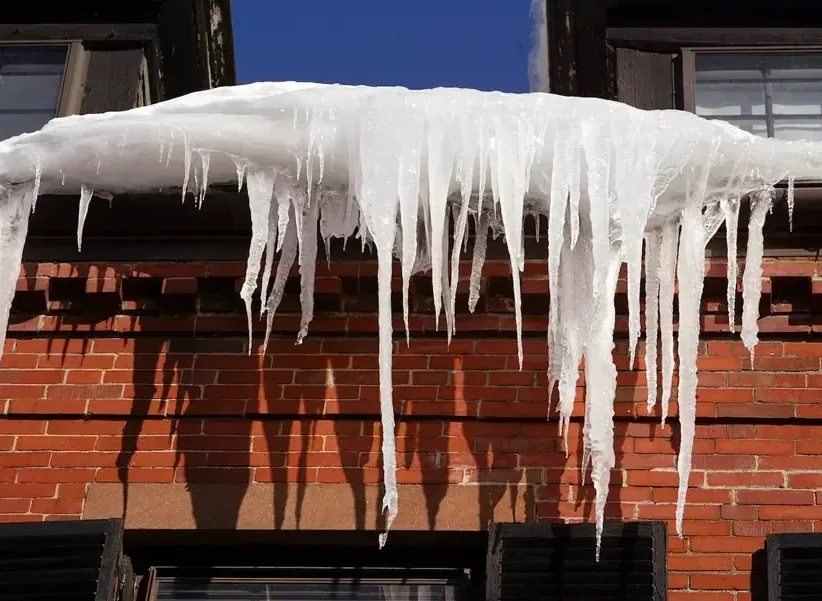
Ice Dam Water Damage
Meltwater backed up under shingles stains ceilings and soaks attic insulation.
How it is handled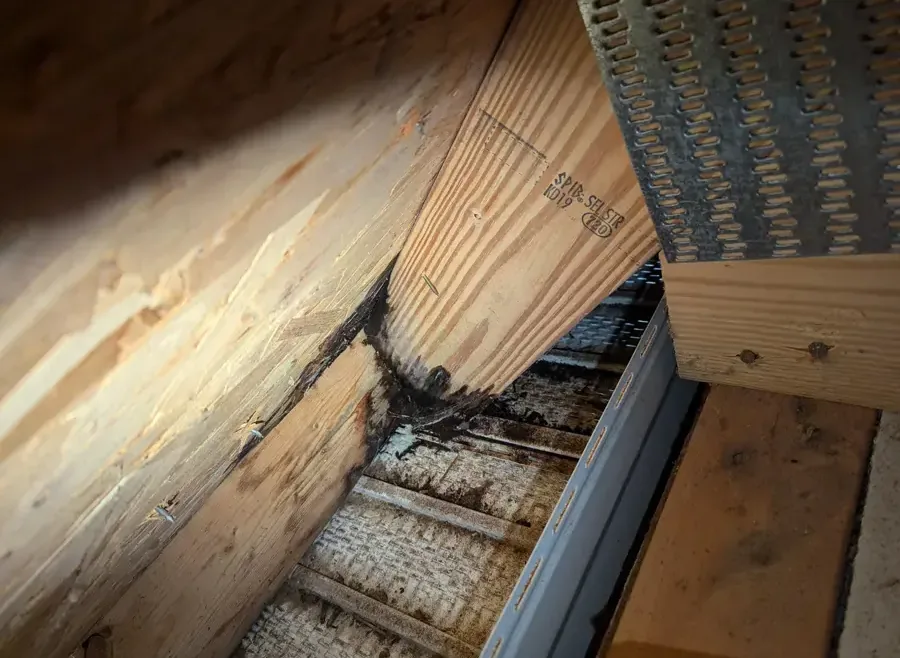
Roof Leak Water Damage
Storm or shingle leaks wet decking, insulation and ceilings that need drying.
How it is handled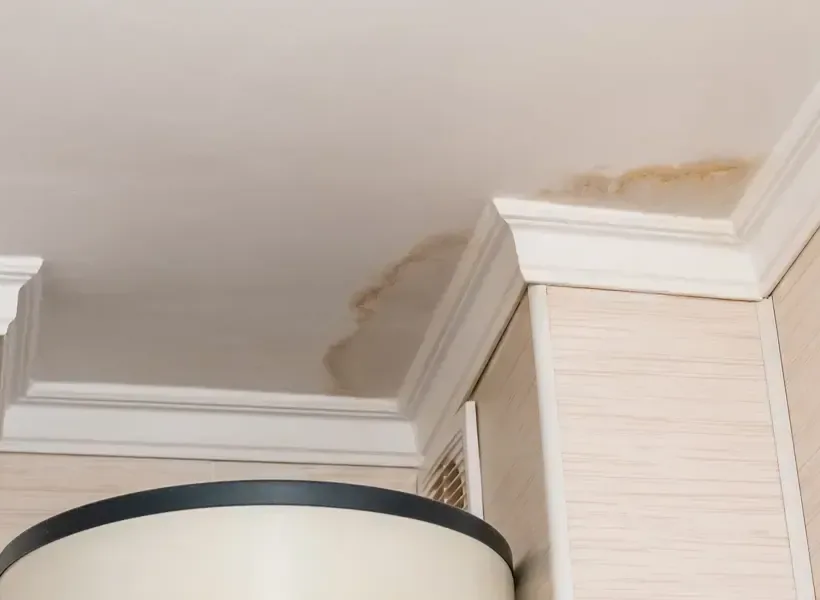
Ceiling Leak Water Damage
A spreading ceiling stain means moisture in the drywall and joist bays above.
How it is handled
Storm and Snowmelt Flood Cleanup
Heavy rain and snowmelt flooding is pumped out, with mud and soaked materials removed.
How it is handled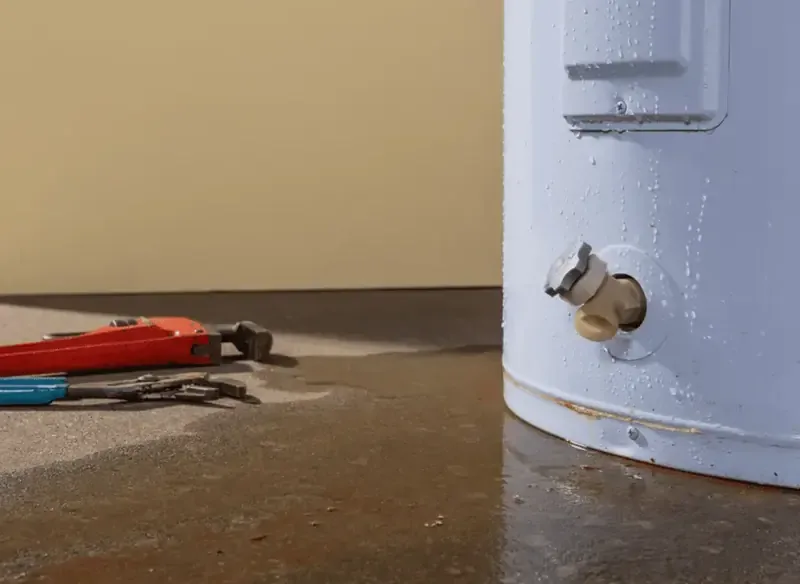
Water Heater Leak Cleanup
A leaking tank soaks its closet and nearby floors, which are extracted and dried.
How it is handled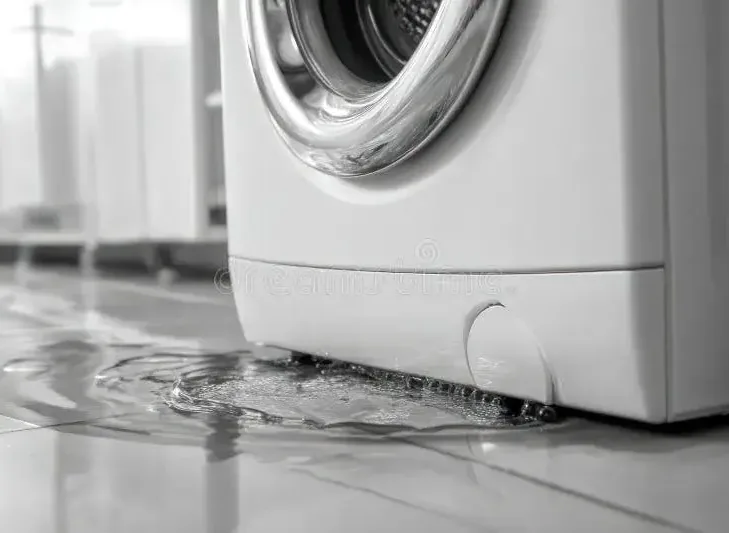
Appliance and Supply Hose Leaks
Washer, dishwasher and fridge supply leaks run quietly, so cabinets and floors get checked.
How it is handled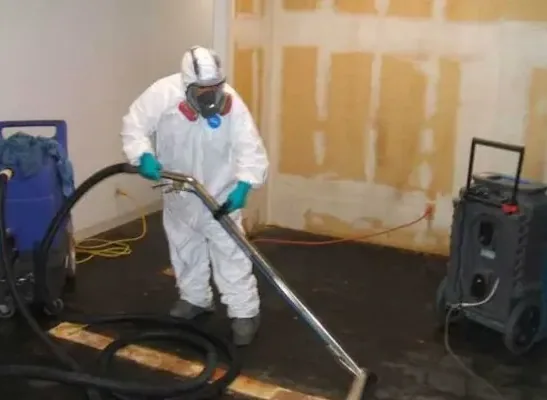
Sewage and Floor Drain Backup Cleanup
Floor drain and sewage backups are contained, removed and cleaned as category 3 water.
How it is handled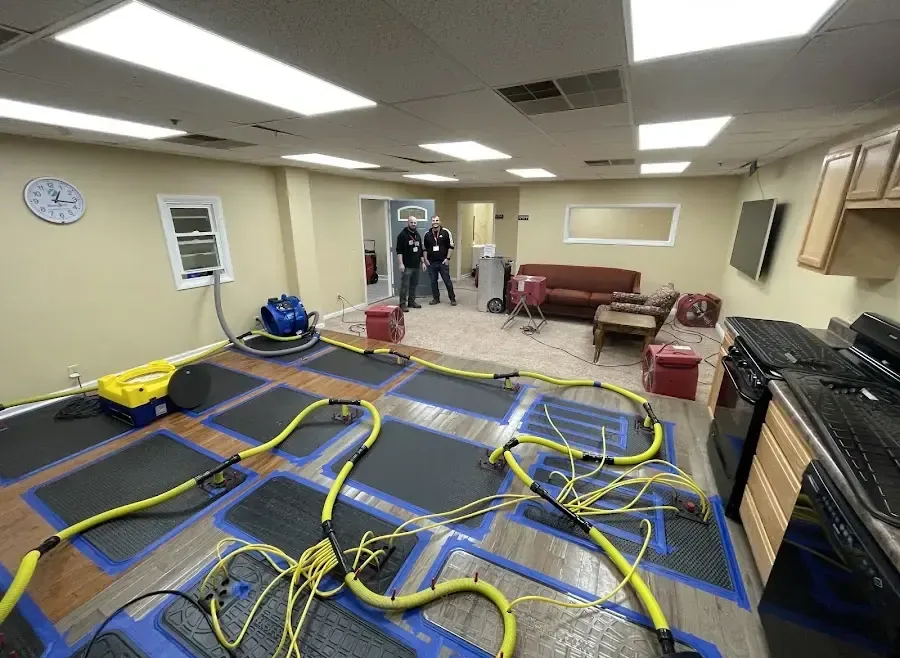
Structural Drying and Dehumidification
Air movers, dehumidifiers and daily readings take framing and subfloors down to dry.
How it is handled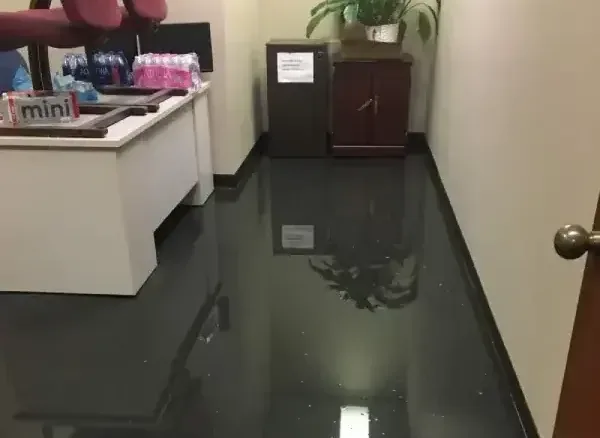
Commercial Water Damage
Offices, shops and warehouses get phased drying planned around business hours.
How it is handledBuilt for a city on two rivers
Homes here deal with two rivers, spring runoff and cold winters, so the crew handles pumping, structural drying and moisture records on every job.
Pumps staged for river country
Submersible pumps and truck-mounted extraction handle water from basements, window wells and entryways before it soaks deeper.
Drying proven by readings
Every job starts with a moisture map and ends with documented dry readings, not a guess based on how a room feels.
Insurance ready paperwork
Photos, readings and equipment logs are kept together so an adjuster can follow what was wet and what was done.
Sewage handled safely
Backups are treated as category 3 water, with containment, protective gear and HEPA air scrubbers where the job calls for them.
Drying gear sized to the water on the floor
- Truck-mounted extractors for deep standing water
- Low grain refrigerant dehumidifiers for wet framing
- Air movers and drying mats for floors and wall bottoms
- Moisture meters and hygrometers to map and track drying
What water damage cleanup costs in a typical home
Cost depends on how much water entered, how long it sat and which materials absorbed it. A small clean-water leak sits at the low end, while sewage or a flooded lower level costs far more.
One wet room, clean water
- Standing water extracted and wet pad lifted
- Air movers and a dehumidifier
- Moisture readings until dry
Finished basement or lower level
- Wet drywall and carpet removed
- Wall cavities dried
- Daily psychrometric logs
Sewage or deep flooding
- Category 3 removal and cleaning
- Containment and air scrubbers
- Extended drying and monitoring
Final pricing depends on a walkthrough with moisture readings. Many policies cover sudden leaks but not slow ones or sewer backups, so the claim paperwork should be kept organized from the first visit.
Try the water damage cost calculatorDrying equipment and repair stages after water losses
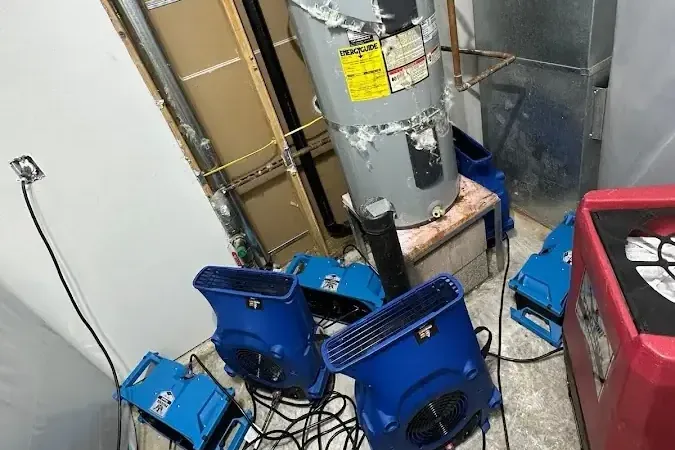
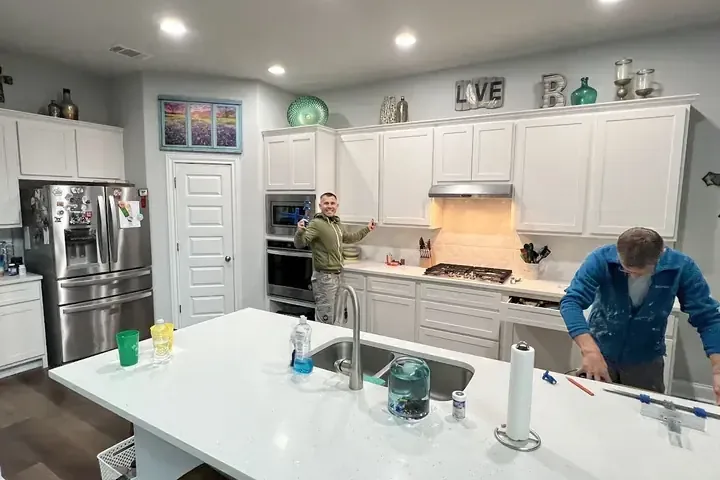
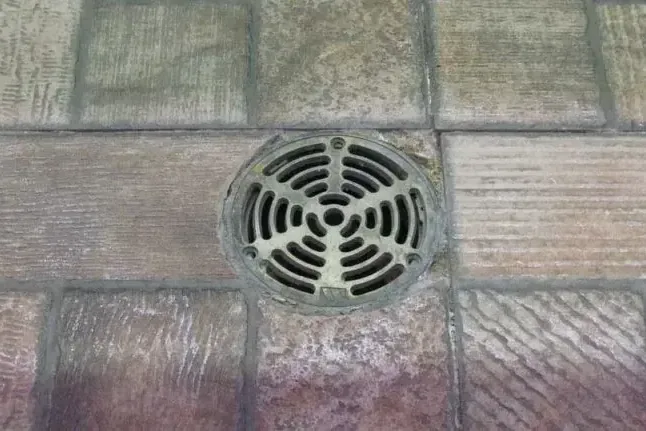
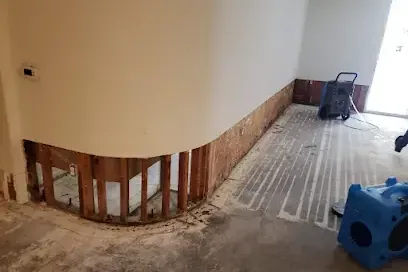
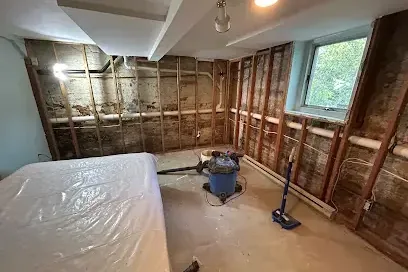
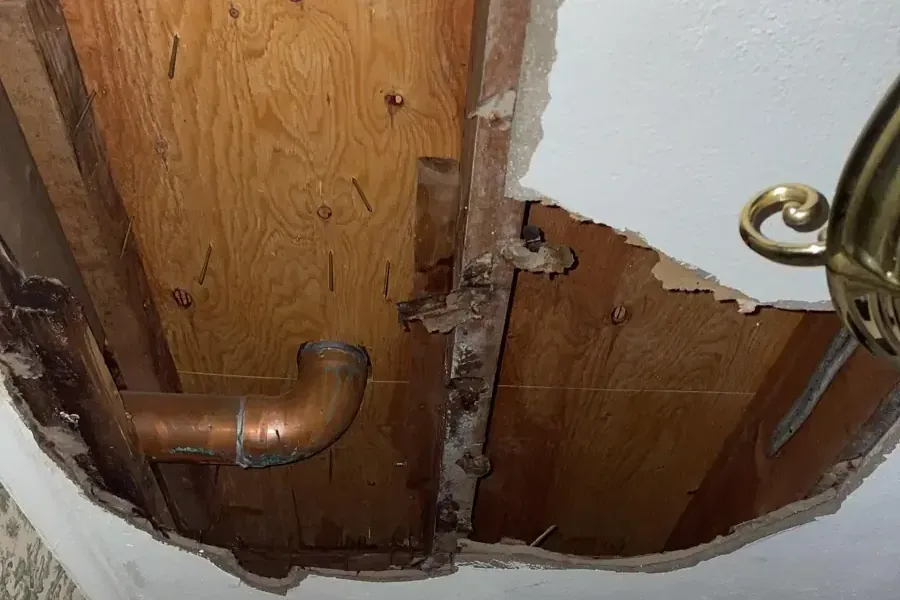
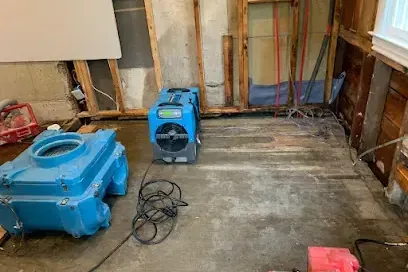
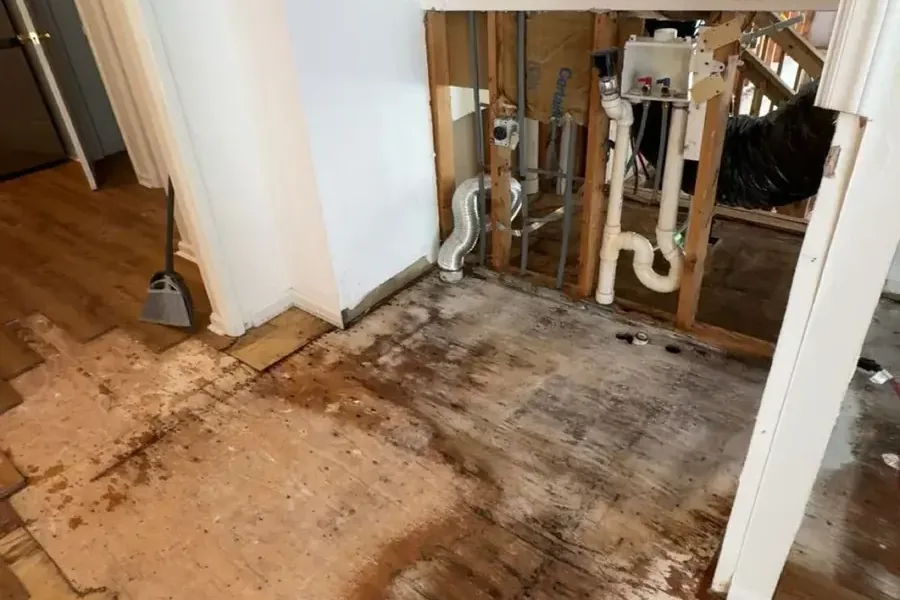
Dry is measured with readings, not a guess
Crews follow the IICRC S500 water damage standard: the source is stopped, wet areas are mapped, and drying continues until readings match unaffected materials in the same home, so the finish is proven rather than assumed.
Source and extraction
The water source is stopped, then standing water is lifted from floors and low spots.
Moisture mapping
Meters trace moisture through drywall, subfloor and framing, showing wet areas the eye misses.
Equipment setup
Air movers, dehumidifiers and drying mats go where the map shows moisture, and wet materials are removed.
Daily verification
Readings are logged each visit until every material reaches its dry goal, then the equipment comes out.
Records an adjuster can use
Adjusters want proof of what got wet, how it was handled and when. Notes, photos and readings are gathered as the work moves along, not rebuilt later.
- Dated photos of every wet room and surface
- Moisture readings from the first day onward
- Equipment placement and daily run records
- A list of materials removed and why
- Notes on the water source and its category
Checking your own coverage
Ask your insurer whether the policy covers sudden water loss, water backup and flood separately, since many homeowner policies treat them as three different things. Flood damage from river water usually needs its own flood policy.
The city entered the National Flood Insurance Program in 1972 and became a regular member in 1973, so federal flood policies are available to local property owners.
Clean, gray and black water need different handling
Clean water
Water from a broken supply pipe or tank starts out clean, then degrades if it lingers in carpet, pad and wall cavities.
Frozen pipe water damageGray water
Washer, dishwasher and sump pump overflow carries soap or soil, so it needs prompt extraction and treatment of porous materials.
Sump pump failure cleanupBlack water
Sewage and floor drain backups carry bacteria, so porous materials are removed and the area is cleaned and treated under containment.
Sewage backup cleanupWhat to do while the water is still spreading
- 01Stop the source Shut the main water valve for a pipe, tank or hose leak. If rain or river water is the cause, go straight to safety.
- 02Power and footing Stay out of standing water near outlets, cords or the panel, and have the breaker for wet areas switched off first.
- 03Keep drains closed After a sewer or floor drain backup, skip toilets, sinks and washers so more wastewater is not pushed into the home.
- 04Photos, then the call Photograph the water, damage and belongings before moving them, then call for extraction and note when the water was found.
Water in an Anoka home or business?
Anyone with an active leak, a flooded basement or a sewer backup can describe the water, the rooms involved and what is already shut off, and the plan builds from there.
Crews then explain the plan for extraction and drying and what to photograph for the claim.
(888) 432-4933Talk with a drying crewWhere crews work in Anoka
Crews work across the city, from historic downtown and Christian Hill to RiversPointe, the Goodrich Field area and the Enterprise Park employer district.
ZIP code covered
Jobs in ZIP 55303 range from older homes near downtown and the river to newer townhomes, apartments and commercial buildings, and each gets its own drying plan.
Neighborhoods and roads

How water loss shows up in Anoka
The Rum River and the Mississippi River each carry flood risk, and the Anoka County hazard plan counts 110 potential buildings damaged in the floodplain. Rain, snowmelt and sewer overloads add still more water to the picture.
- Rivers and ice jams The Coon Rapids Dam may cause ice jams on the river in winter and early spring, and Rum River Dam flashboards come out in winter to lower the pool.
- The flats A local historian describes low ground near the Rum River that flooded from Mississippi River backwater about every ten years, until fill was added and RiversPointe was built.
- Sewer overloads The city names clear water entering the sanitary system through cracks, leaking manholes or wrongly connected sump pumps as a cause of overflows and backups during large rain events.
- Storms and tornado records The county averages about one flash flood every 1.3 years and one tornado every 2.8 years in storm records, so roof damage and storm water are both realistic risks here.
1965: Record high water damaged several houses in the flats and led to the demolition of seven, according to a local historian. That loss led to the creation of the city Housing and Redevelopment Authority.
Water damage questions from local homeowners
Water still spreading?
Crews can start pumping and extracting while photos and claim details are still being gathered on the first visit.
(888) 432-4933 (888) 432-4933Get pumps started on the waterHow fast does water damage need attention?
Wet drywall, pad and framing can start growing mold in 24 to 48 hours, so extraction and drying should begin as soon as the water is found.
Who pays for a sewer backup in the city?
Cleanup costs usually fall on the property owner, and the city covers them only when it was negligent in maintaining its own main. Many homeowner policies leave backup out unless it is added.
Who gets the first report of a sewer backup?
The Public Services Department takes the first report, and after hours the Anoka-Champlin Fire Department dispatch does. Crews handle the cleanup inside the home.
Does homeowners insurance cover a flooded basement?
It depends on the cause. Sudden pipe or tank leaks are often covered, sewer backup needs an added endorsement on some policies, and river flooding is a separate flood policy.
Does the old flood history still affect homes?
The low ground by the Rum River was raised eight feet in 2001 and now holds RiversPointe townhomes, while the city's current FEMA flood map dates to December 16, 2015.
Can a sump pump discharge into the sewer?
No. The city bans sump pump water and foundation drain flow from its sanitary sewer, and pumps tied in by mistake add to overloads during heavy rain.
Does a burst pipe in an older home need extra care?
The city says some older homes, built before 1986, can have lead in service pipes, plumbing or faucets, so a plumber should look closely when repairing an older house.
What can crews dry besides carpet and drywall?
Subfloors, framing, hardwood and concrete can hold moisture too, so the drying team uses meters to find hidden wet areas and sets mats or dehumidifiers to pull it out.
Do commercial buildings need a different process?
Yes. Offices, shops and plants need phased work, suite by suite records and plans that protect operations, which matters in a city with over 700 employers.
How long does drying usually take?
Most jobs need several days of equipment, and the exact time depends on materials, humidity and how deep the water went. Readings, not the calendar, decide when it is dry.
Get the water out and the drying measured
A wet basement, a split pipe or a backed up drain gets worse by the hour, and a documented plan keeps materials, belongings and the insurance claim protected from the first visit.
(888) 432-4933Call for pumps and drying