Water Damage Restoration Blaine, MN
A burst pipe, a flooded basement or a sewer backup gets the same first move: extract the water, map the moisture and start drying the walls, floors and ceilings in your Blaine home.
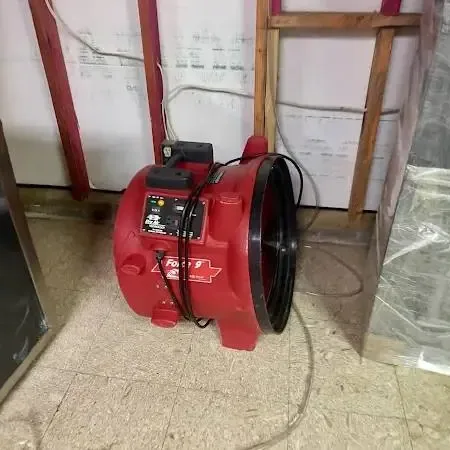
Water damage services for every kind of leak
Pick the service that matches the water source, or start with extraction and let readings decide.
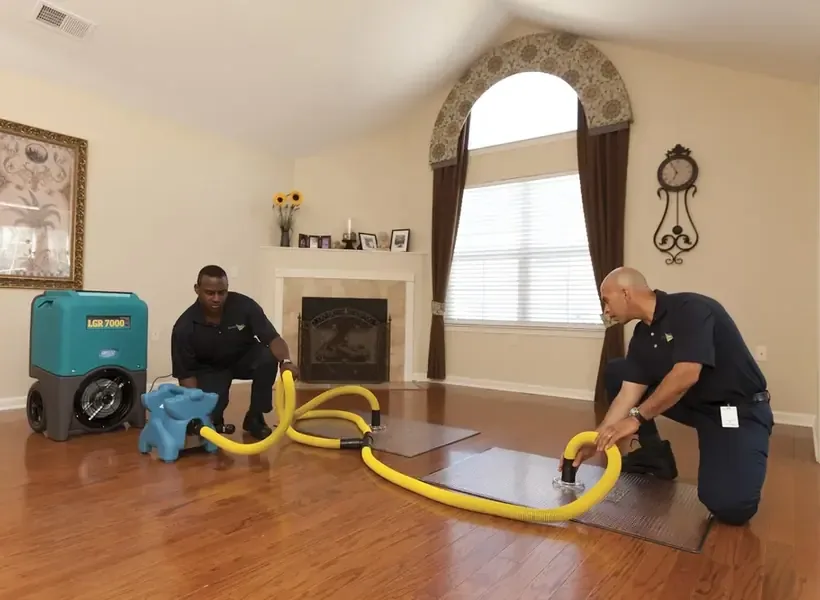
Water Extraction and Removal
Pumps and extraction wands pull standing water off carpet, tile and concrete first.
How it is handled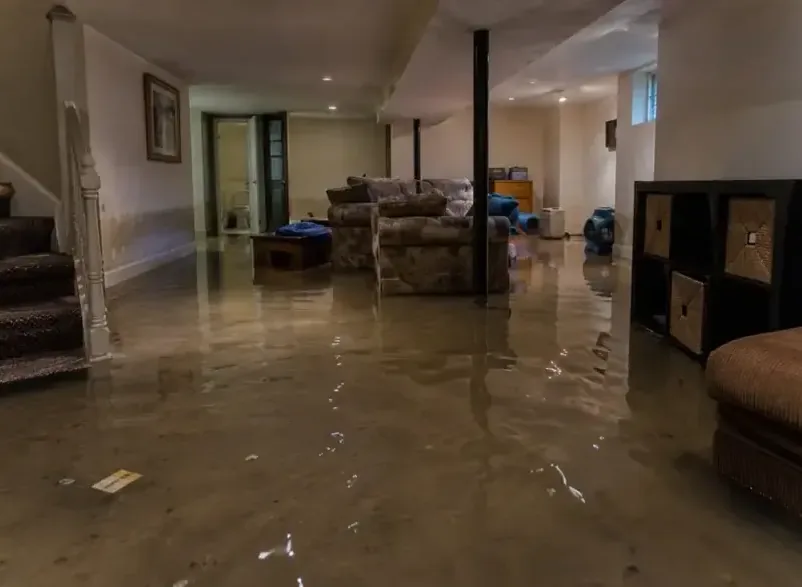
Basement Flooding Cleanup
Wet pad, baseboards and lower drywall come out so a flooded basement can dry through.
How it is handled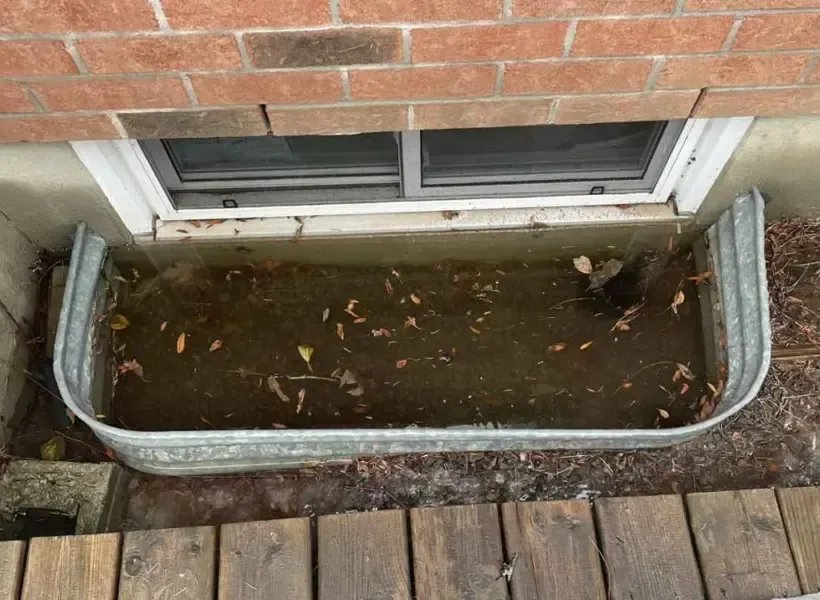
Sump Pump Failure Cleanup
Pit overflow, gray water and wet carpet after a pump quits during snowmelt or heavy rain.
How it is handled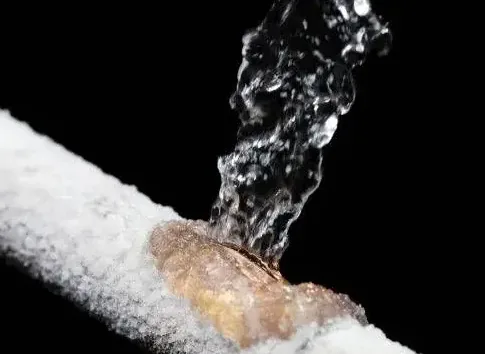
Frozen Pipe Water Damage
A thawed supply pipe can soak a wall cavity and the ceiling below.
How it is handled
Burst Pipe Water Damage
Ruptured supply pipes and failed fittings flood fast, so extraction and wall checks start early.
How it is handled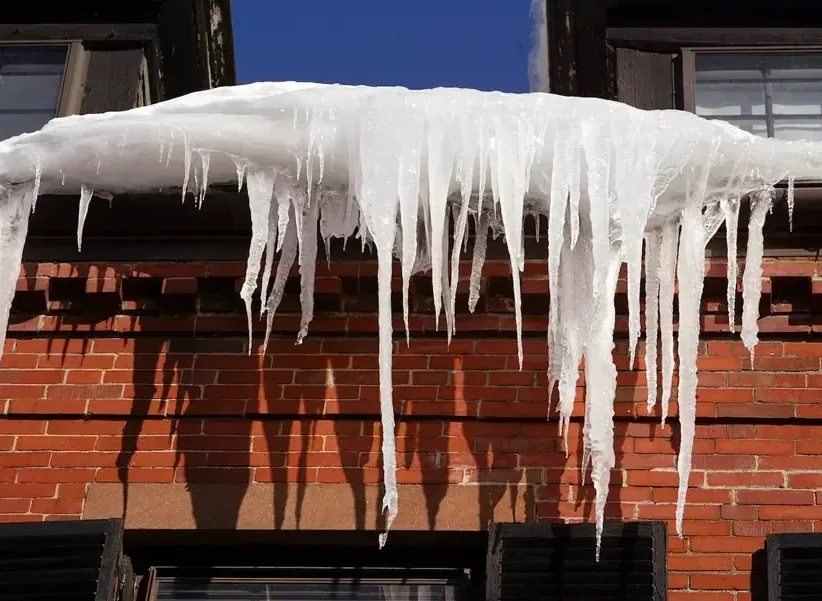
Ice Dam Water Damage
Ice ridges at the eaves push meltwater under shingles and into ceilings and wall tops.
How it is handled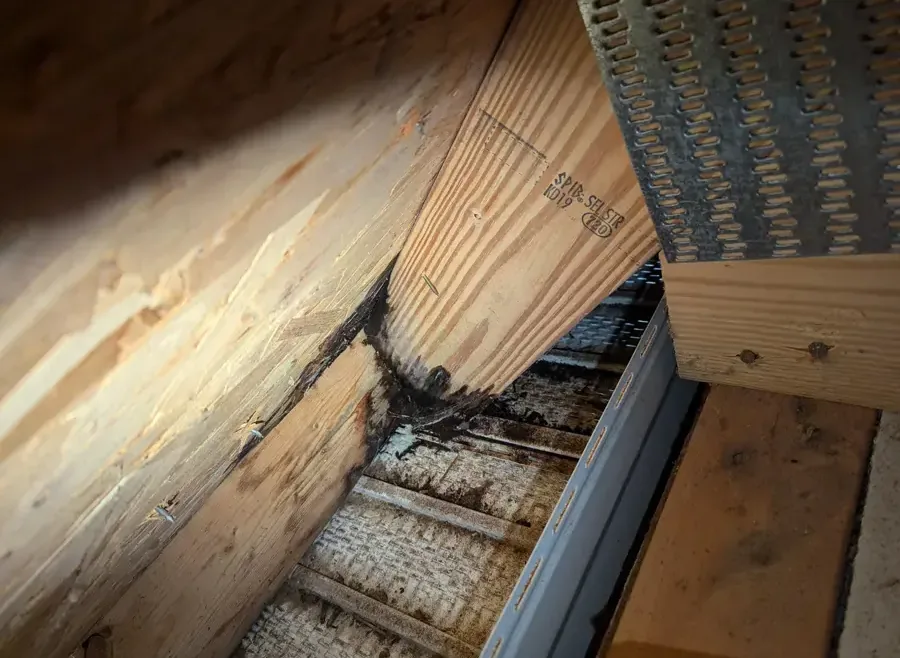
Roof Leak Water Damage
Wet attic insulation, stained decking and ceilings below a failed shingle or flashing.
How it is handled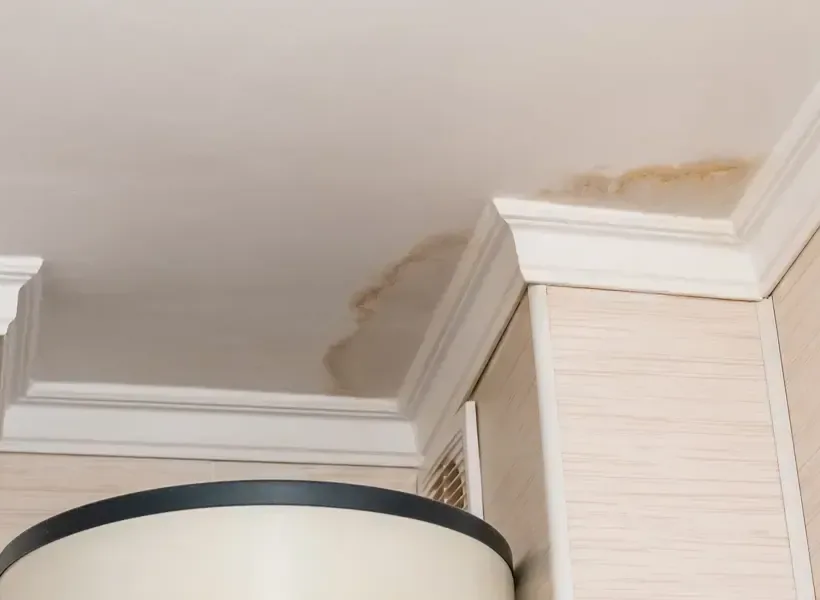
Ceiling Leak Water Damage
Stains and sagging drywall from roof, upstairs plumbing or HVAC leaks get traced and dried.
How it is handled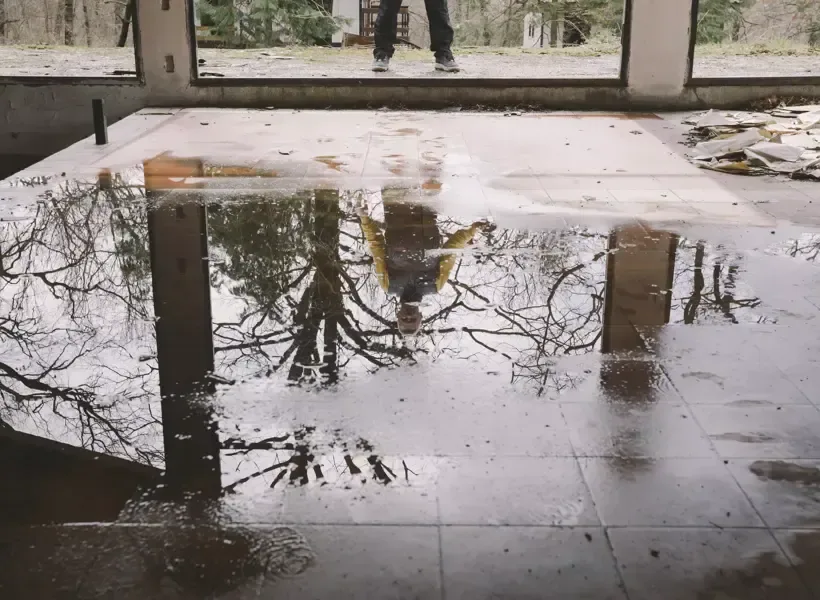
Storm and Snowmelt Flood Cleanup
Heavy rain and snowmelt that enter a lower level bring mud, debris and soaked finishes.
How it is handled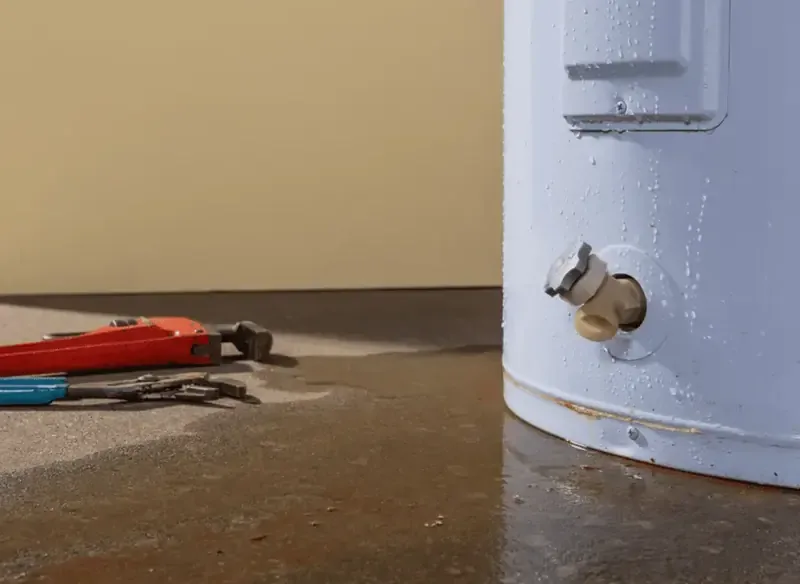
Water Heater Leak Cleanup
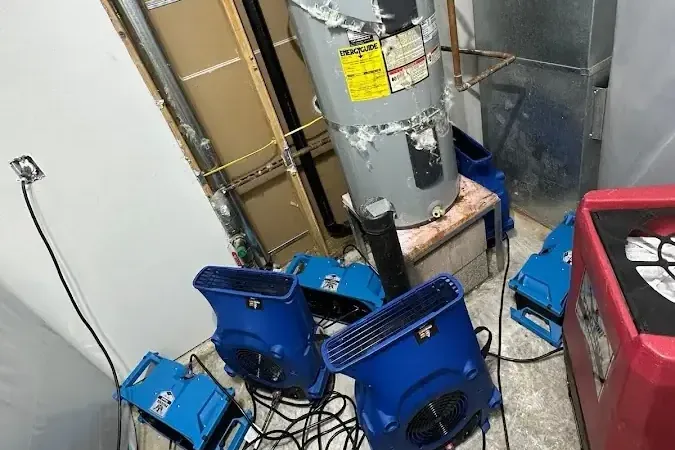
Tank leaks soak the utility room floor first, then the walls beside it.
How it is handled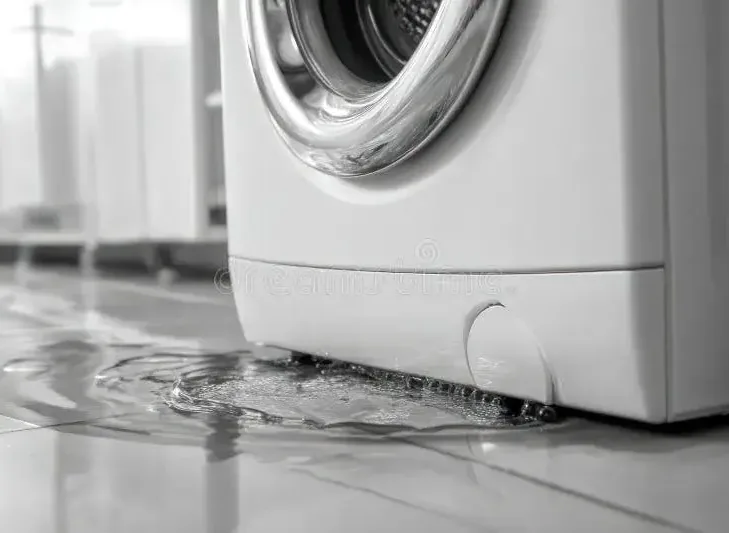
Appliance and Supply Hose Leaks
Washer, dishwasher and supply hose leaks that run under cabinets, flooring and neighboring units.
How it is handled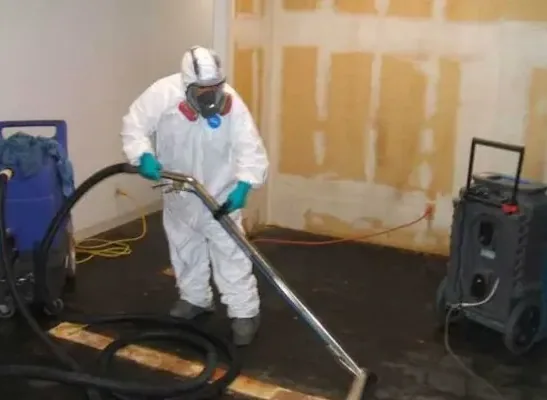
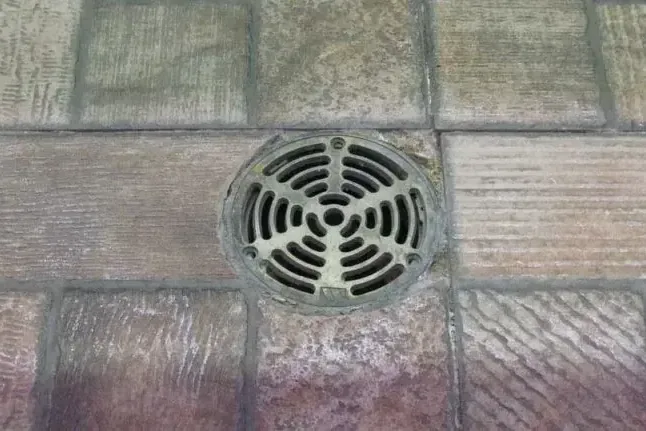
Sewage and Floor Drain Backup Cleanup
Floor drain and sewer backups get contained, cleaned and treated as Category 3 water.
How it is handled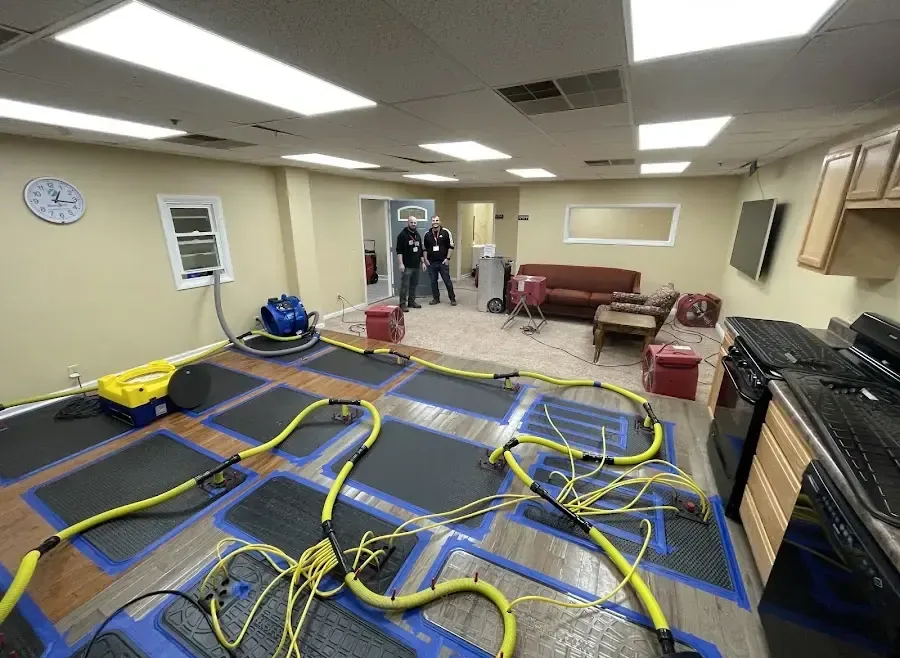
Structural Drying and Dehumidification
Air movers, dehumidifiers and daily readings take framing, subfloor and concrete back to dry.
How it is handled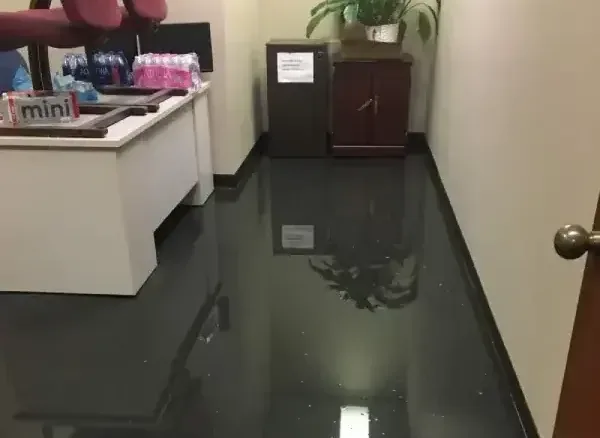
Commercial Water Damage
Suites, shops and larger buildings dry in phases so the business can keep working.
How it is handledDrying work that fits local homes
Blaine counted 70,222 residents in 2020, and homes here range from older lots south of town to new builds, so every loss starts with its own moisture map.
Rapid local response
The drying team arrives with pumps and meters ready to find where water traveled, not only where it shows.
Sewer and sump experience
Floor drains, sump pits and sewer backups each need different handling, and cleanup steps follow the water category.
Claim-ready documentation
Photos, moisture readings and equipment logs are kept in order so an adjuster can follow the whole job.
Equipment sized to the room
Dehumidifiers and air movers are matched to the cubic space and materials, then adjusted at each daily reading.
Drying gear that comes out on most jobs
- LGR dehumidifiers pull moisture out of basement air all night.
- Air movers push dry air across wet floors and low walls.
- Thermal cameras and moisture meters show hidden wet drywall.
- Submersible pumps and extraction wands clear deep standing water.
What water damage cleanup usually costs
Most jobs land between $1,200 and $20,000 or more. Clean water in one room sits near the bottom, a finished lower level sits in the middle, and sewage or deep water in a whole level reaches the top.
Small, clean-water leak
- Extraction and baseboard check
- One or two rooms dried
- Readings each visit
Finished lower level
- Wet pad and carpet removed
- Flood cuts where needed
- Daily moisture records
Sewage or deep water, whole level
- Category 3 removal
- Containment and air scrubbers
- Extended monitoring
Ranges assume normal access. Hidden wet insulation, hardwood or poured concrete can move a job up a tier, and the cost calculator gives a closer figure for your own rooms.
Open the water damage cost calculatorWhat a drying job looks like in progress
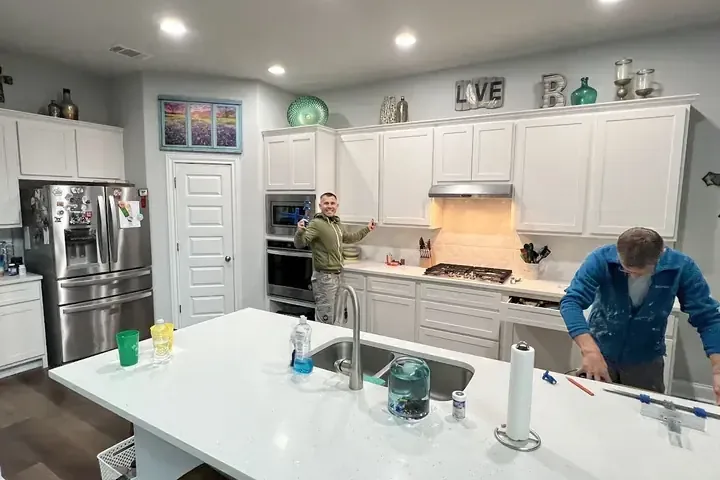
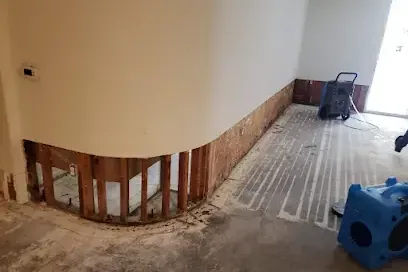
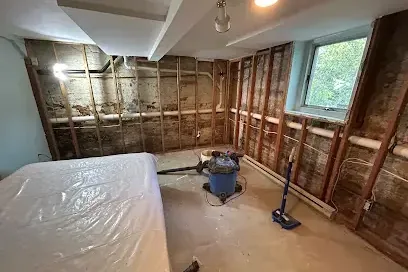
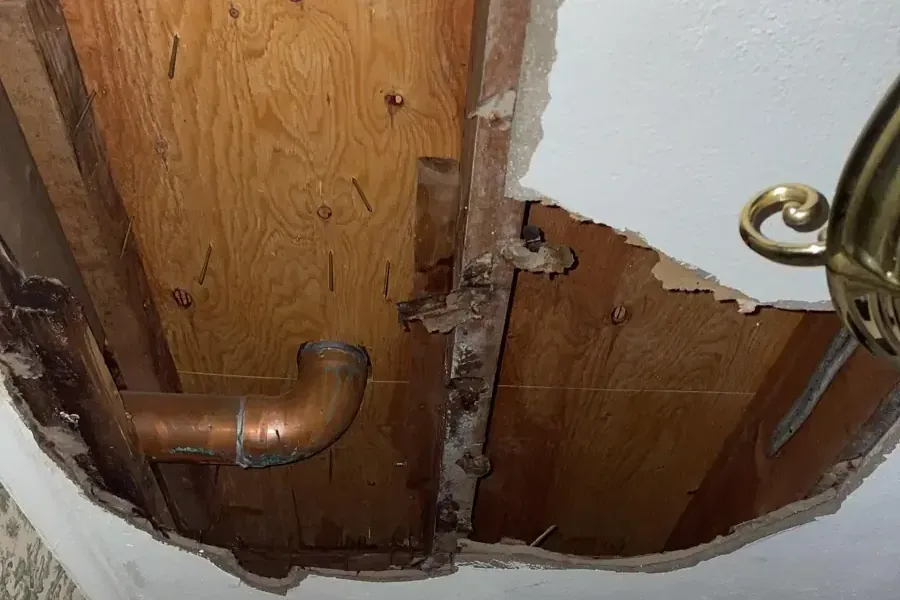
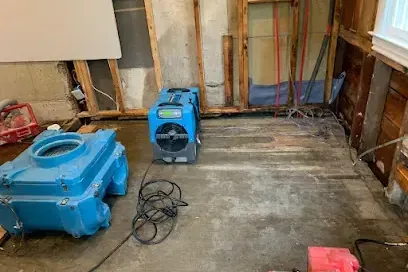
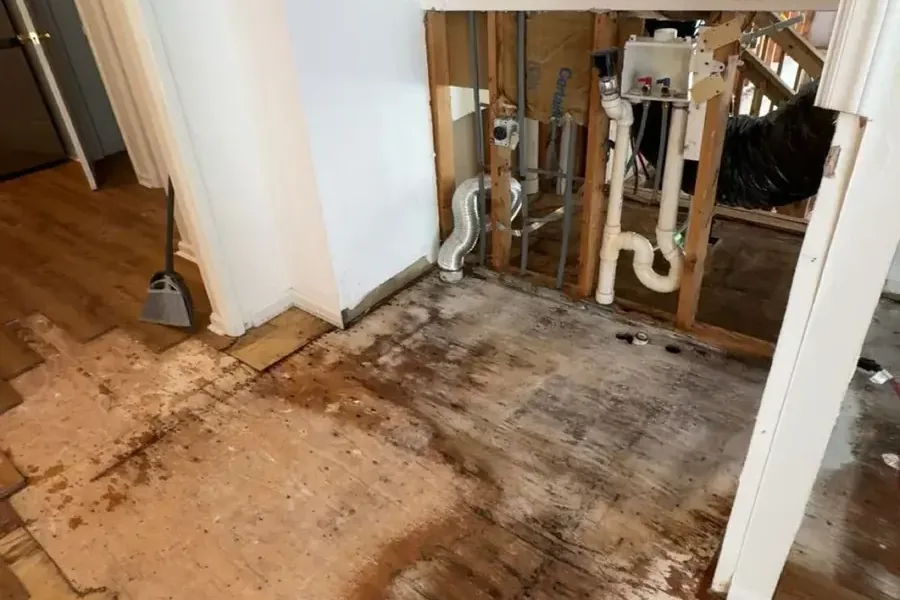
Drying is verified by readings, not by feel
The restoration team follows the S500 standard: find the wet materials, set equipment to the room, then check temperature, humidity and moisture content each day until the wood framing reads dry.
Source and extraction
Confirm the source is shut off, then pull standing water out of the rooms before anything else.
Moisture mapping
Meters and a thermal camera trace wet drywall, subfloor and insulation beyond the visible stain.
Drying setup
Air movers and dehumidifiers go in by room size and material, with wall cavities opened where needed.
Daily verification
Readings repeat each visit, and equipment stays until every material reaches its dry goal.
Records an adjuster can use
Many claims turn on what was wet, when it was found and how it was dried, so the paperwork is built as the job moves along.
- Dated photos of every wet room before any tear out
- Moisture readings taken on each visit and logged by room
- Dates equipment was placed and removed
- Water source and category written down early
- A list of materials removed and why
What to gather yourself
Take photos and short videos before anything moves, keep damaged items until the adjuster has seen them, and save receipts for any emergency purchases. Policies differ on sewer backup and groundwater, so read your own policy before assuming.
Ask the adjuster which documents the insurer wants early, since the drying logs are easiest to keep when they start on day one.
Three kinds of water, three kinds of cleanup
Clean water
A split supply pipe, a failed fitting or an overflowing sink starts as clean water, which turns worse the longer it sits in carpet and pad.
Burst pipe cleanupGray water
Washer, dishwasher and sump pit overflow carry soap, dirt or bacteria, so carpet and pad usually come out rather than dry in place.
Sump pump failure cleanupBlack water
Sewage from a floor drain or main backup carries pathogens, so porous materials are removed and the area is contained and cleaned.
Sewage backup cleanupWhat to do while the water is still spreading
- 01Stop the water source Close the shutoff valve for the broken pipe or appliance if you can reach it without stepping into deep water.
- 02Make it safe Turn off power to wet areas at the breaker, and stay out of standing water near outlets, cords or the panel.
- 03Stop using drains Do not flush, run the washer or use sinks if the floor drain is gurgling or sewage is rising.
- 04Photograph, then call Take wide and close photos of the damage and the high water mark on walls, then reach a restoration crew.
Water in the house? Talk to a local crew now
Describe the water source, which rooms are wet and whether power is on, and the crew can plan extraction before the first visit.
Photos sent ahead help the drying team bring the right pumps and meters for a basement, a ceiling or a sewer backup.
(888) 432-4933Describe your water lossWhere the drying crews work in Blaine
Crews work across Blaine in Anoka County and Ramsey County, from the lakes and golf course developments to the older streets and business corridors.
ZIP codes covered
The city uses these three ZIP codes, and the drying crews work every address in town whichever code it carries, from older blocks to new subdivisions.
Neighborhoods and roads
Nearby cities

Sandy soil, ditches and sewer lift stations shape local water risk
Local ground is sandy and wetland rich, and stormwater drains to the Rice Creek and Coon Creek watershed districts, so heavy rain and fast snowmelt can reach lower levels through ditches, ponds and soil.
- Ditches and ponds The city surface water plan notes localized flooding around County Ditch 17, also called Springbrook Creek, and at East Pond near Xebec Street and Flowerfield Road.
- A plugged outlet The outlet pipe leading to Laddie Lake can plug with debris, and large man made water features in The Lakes, such as Sunrise Lake, are linked by County Ditch 41 and usually managed by homeowners associations.
- Sewer system age Sanitary sewer construction began in 1965, the city operates 30 lift stations, and 3,943 homes, 17.6 percent, date from 1970 or earlier.
- Snow, melt and ice Twin Cities metro data put annual snowfall near 54.4 inches and precipitation near 30.6 inches, so melt, ice dams and busy sump pumps are part of every spring.
April 9, 2012: A failed sensor and a failed alarm at a lift station sent sewage into about a dozen homes in Amen Corner near the TPC Twin Cities golf course, and many basement levels were gutted.
Common water damage questions
Water still rising?
Shut the supply off if you can, stay clear of outlets and bring in extraction help while water moves.
(888) 432-4933 (888) 432-4933Send photos and start extractionHow fast does water damage spread?
Water wicks into drywall, pad and framing within hours, and mold can begin to grow within 24 to 48 hours, so extraction and drying should start as early as possible.
Who comes first for a sewer backup, the city or a cleanup crew?
Public Works asks residents to report a backup before calling a plumber, so the city main can be checked for blockages, and after hours the call goes to Anoka County Dispatch. The cleanup crew then handles the house itself.
Do older homes dry differently from newer ones?
Materials matter more than age. The median home here was built in 1996, yet 3,943 homes date from 1970 or earlier, and either kind can hide wet insulation behind painted drywall.
What does a restoration visit include?
Expect a source check, extraction, a moisture map of walls and floors, equipment placement and a photo record, followed by daily readings until every material reaches its dry goal.
Will insurance cover the damage?
Coverage turns on the cause of the water and the policy wording, so ask the adjuster early, hand over the drying logs and photos, and keep damaged items until they have been seen.
Are condos and townhomes handled differently?
With 5,465 attached homes and 2,109 units in buildings of 50 or more units, a leak can reach a neighbor, so readings cover shared walls, ceilings and floors above and below.
How long does drying take?
Most rooms need a few days of equipment, while hardwood, concrete and wet insulation take longer, and the daily readings rather than the calendar decide when the gear leaves.
Can wet carpet be saved?
Clean water caught early can often dry in place with weighted extraction, but gray or black water usually means the pad comes out, and often the carpet too.
What if the water came from a roof or ice dam?
Meltwater that backs up behind ice at the eaves can wet attic insulation and ceilings, so the drying team checks the attic edge and upper wall tops as well as the stain.
Does the crew work on businesses?
Shops, offices and industrial buildings around Northtown Mall, Highway 65 and the Interstate 35W and Lexington Avenue area dry in phases so tenants can keep working.
Dry basements, dry walls, and a clear record of the work
The restoration team stays on the job from the first extraction pass to the final dry reading, with photos and moisture logs kept for the insurer and the homeowner.
(888) 432-4933Plan your drying visit