Water Damage Restoration Oak Grove, MN
A failed sump pump, a split pipe or a leaking roof can soak an Oak Grove home fast. The restoration team pulls the water out, opens wet spots and dries everything to a measured standard.
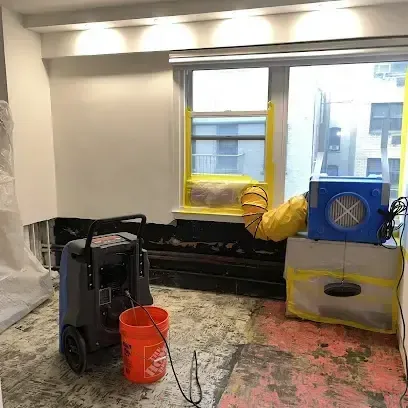
Water damage services for local homes and shops
Choose the loss that fits, or call and describe what happened. Each follows one dry standard.
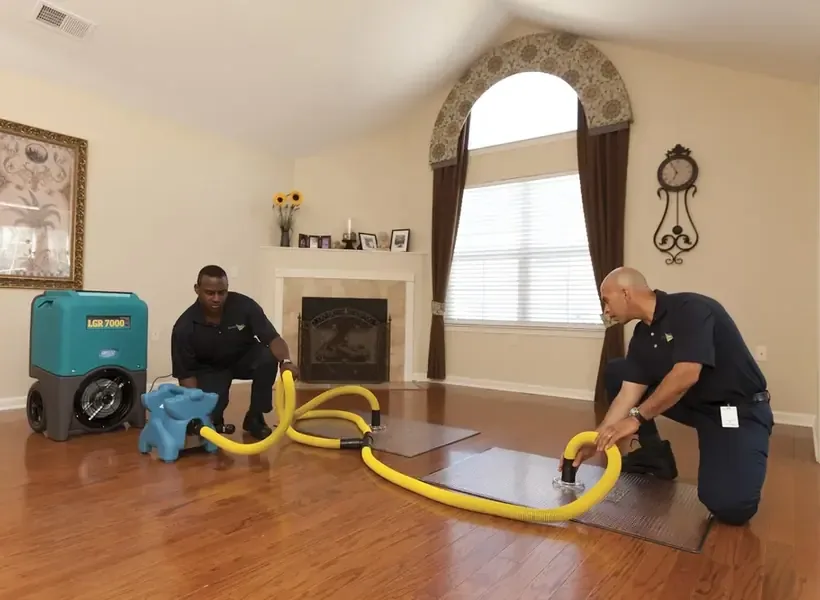
Water Extraction and Removal
Pumps and extractors clear standing water before it wicks into walls and subfloors.
How it is handled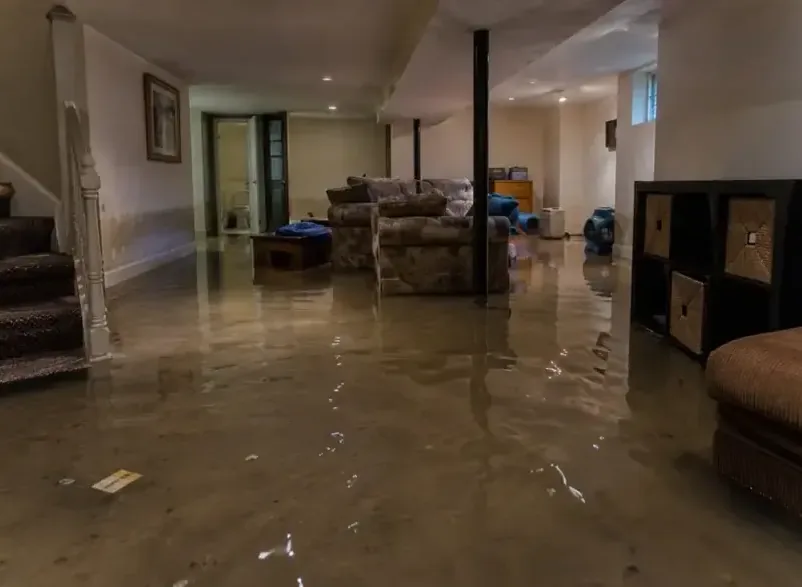
Basement Flooding Cleanup
Wet pad and lower drywall come out, then the whole basement dries to target.
How it is handled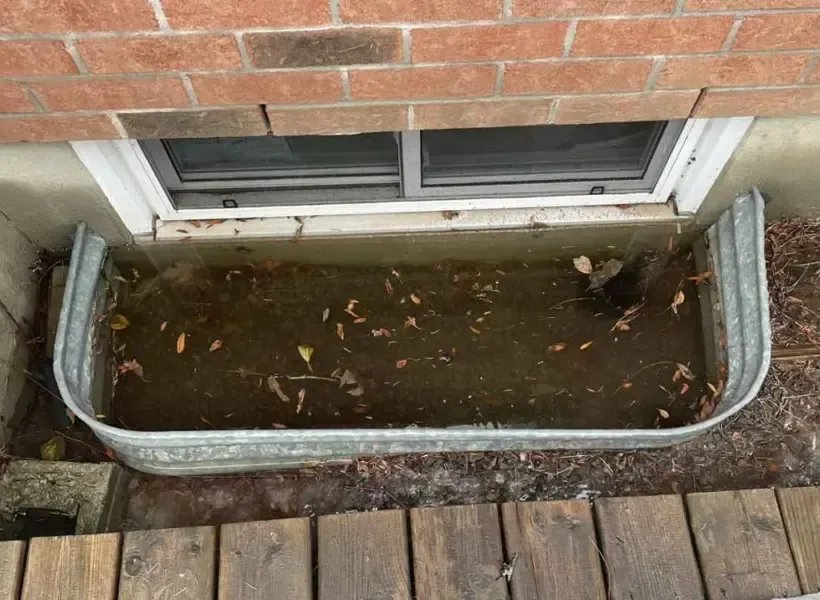
Sump Pump Failure Cleanup
Flooded pit areas get extracted, cleaned and dried after a pump quits.
How it is handled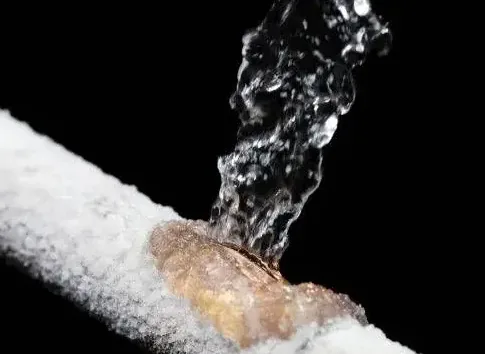
Frozen Pipe Water Damage
Thawed pipes that leaked inside walls need opened cavities and steady drying.
How it is handled
Burst Pipe Water Damage
A split supply pipe means shutoff, extraction and drying of every wet layer.
How it is handled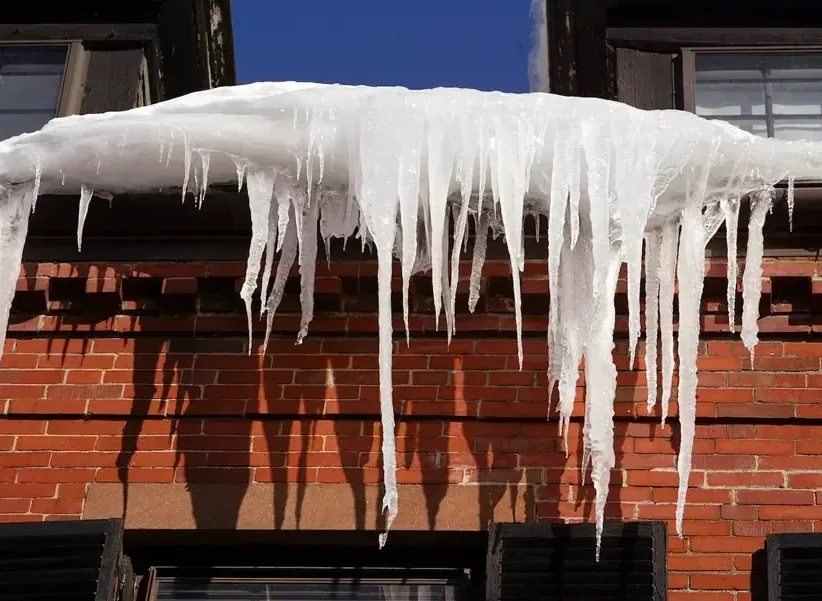
Ice Dam Water Damage
Meltwater backed under shingles stains ceilings, soaks insulation and wets wall tops.
How it is handled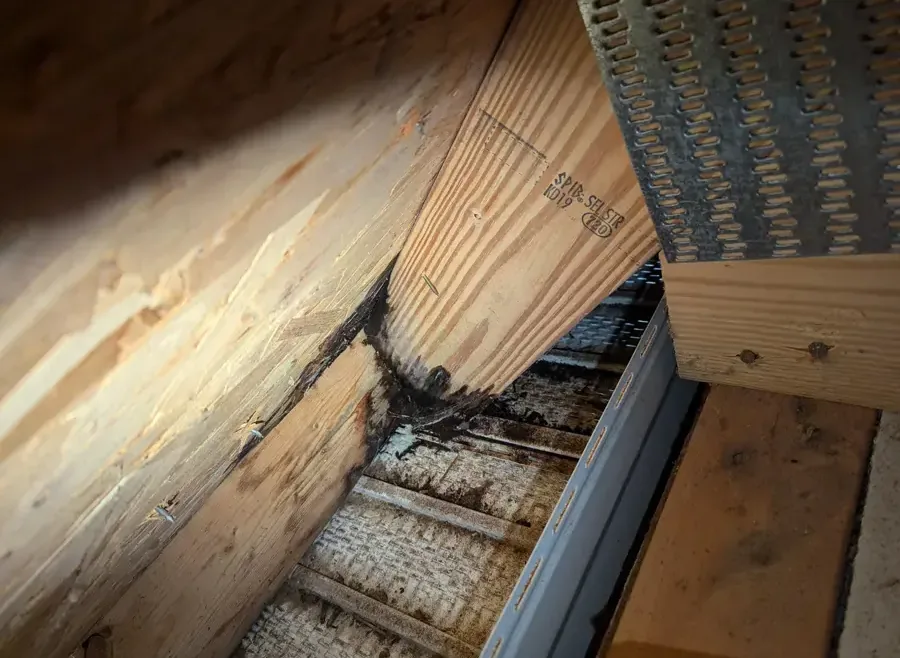
Roof Leak Water Damage
Rain through a damaged roof wets attic insulation, decking and ceilings below.
How it is handled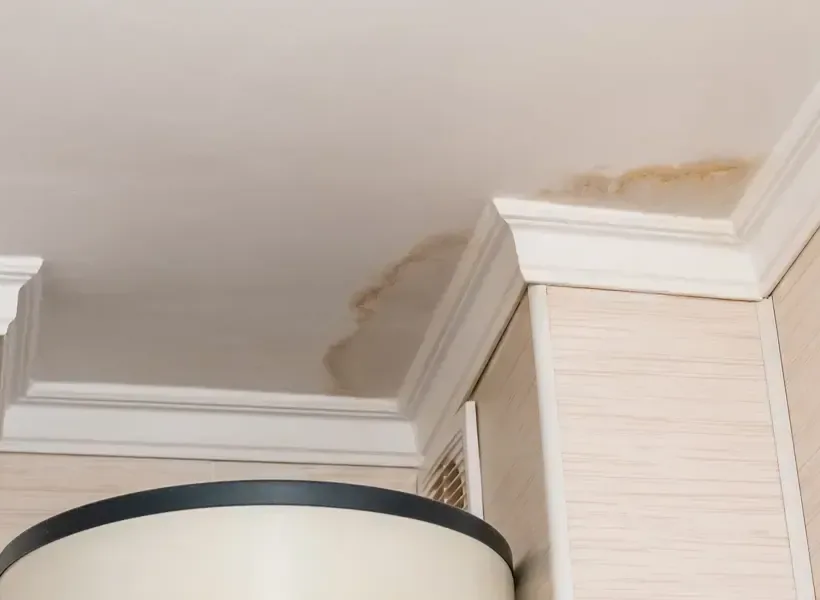
Ceiling Leak Water Damage
Stained or sagging ceilings get the source traced, then wet drywall dried or removed.
How it is handled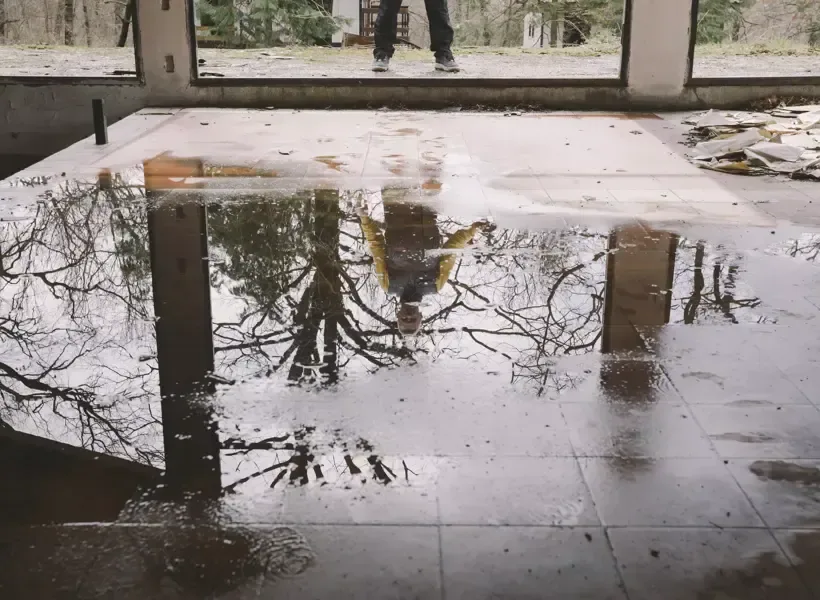
Storm and Snowmelt Flood Cleanup
Storm runoff and snowmelt that reach a lower level are pumped out and dried.
How it is handled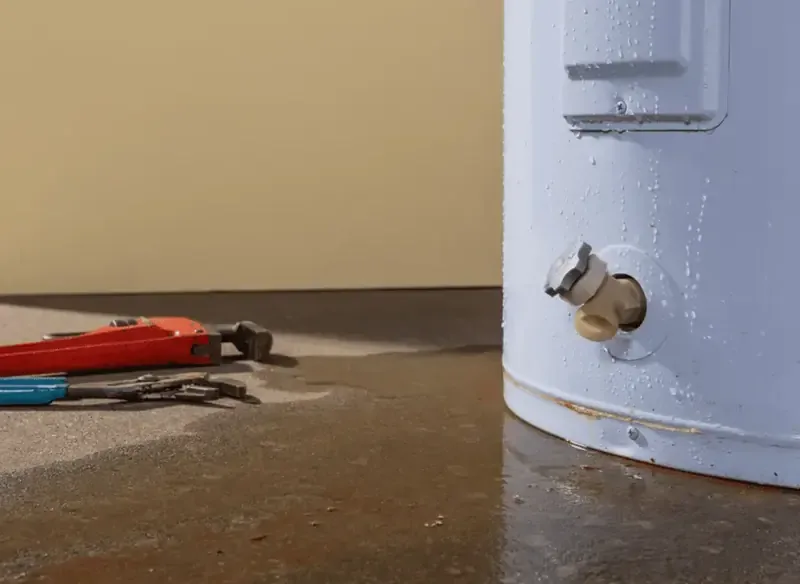
Water Heater Leak Cleanup
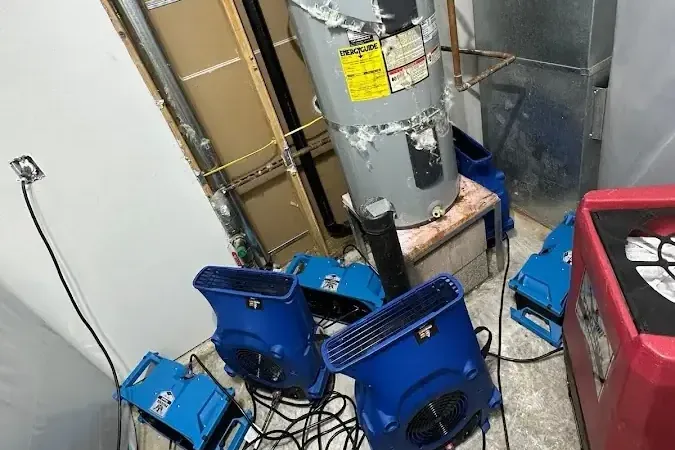
Leaking tanks soak utility floors and nearby rooms until extraction and drying.
How it is handled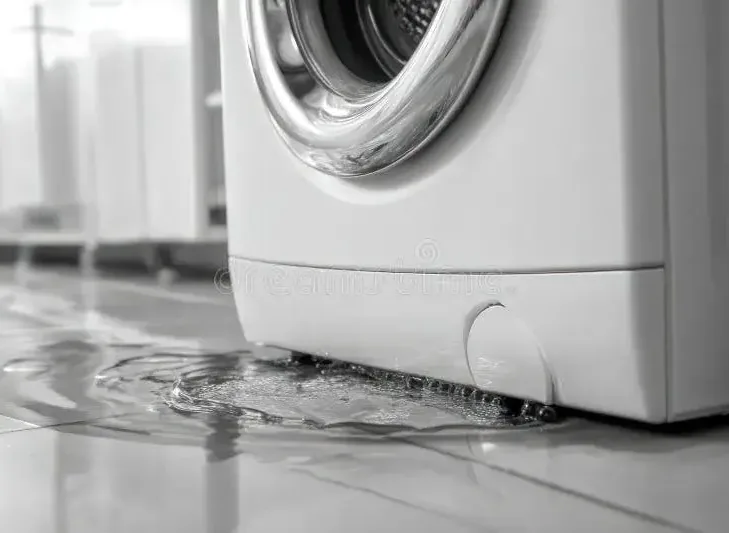
Appliance and Supply Hose Leaks
Washer, dishwasher and supply hose leaks are dried under floors and in cabinets.
How it is handled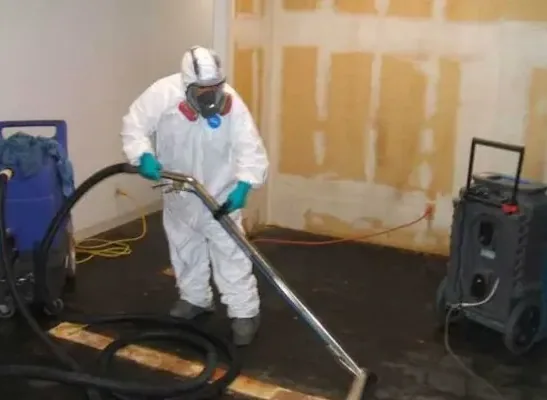
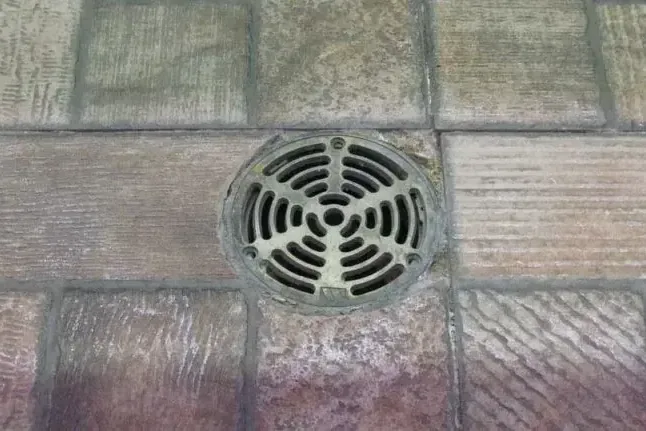
Sewage and Floor Drain Backup Cleanup
Backed-up drains bring contaminated water that is removed, cleaned and treated in containment.
How it is handled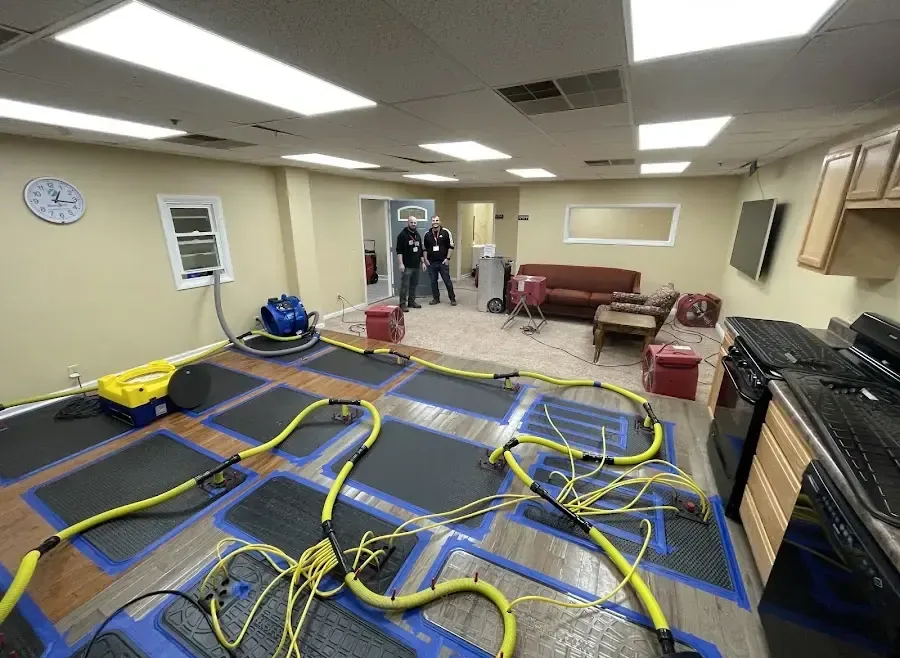
Structural Drying and Dehumidification
Dehumidifiers and air movers dry framing, subfloors and drywall until readings match dry.
How it is handled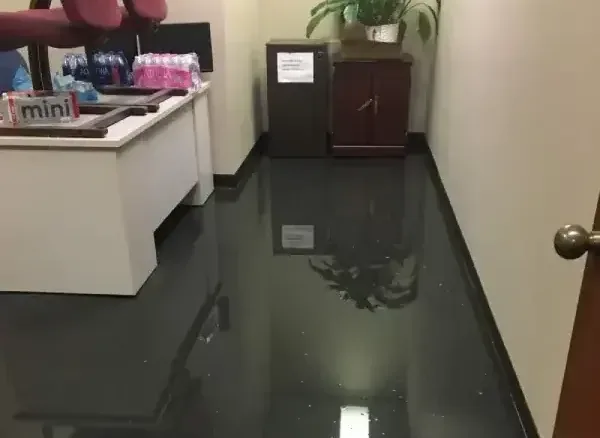
Commercial Water Damage
Shops and offices get phased drying so the business can reopen sooner.
How it is handledDrying done by the numbers
Large lots, finished lower levels and winter freezes all make water damage costly here, so the restoration team works from readings rather than guesses.
Quick local response
The response team knows the county roads and subdivisions, so a job starts without a long briefing.
Measured drying
Moisture readings are taken before and during drying, so equipment stays only until wood and drywall test dry.
Claim-ready records
Photos, readings and daily logs are kept so an adjuster can follow what was wet and what was done.
Cold season know-how
Frozen pipes, ice dams and spring thaw leaks are routine winter work, handled with the right equipment on hand.
Gear that dries structures, not just surfaces
- Truck-mounted and submersible pumps for standing water
- Low-grain refrigerant dehumidifiers pull moisture from air and framing
- Air movers aimed along walls and under floors
- Moisture meters and thermal cameras locate hidden wet spots
What water damage typically costs here
Most jobs run between $1,200 and $20,000 or more, depending on how much water, how long it sat and what it reached. Sewage and long exposure sit at the top of the range.
Small supply leak
- One room dried in place
- Wet carpet pad removed
- Daily moisture readings
Finished lower level
- Flood cuts and pad removal
- Several rooms dried at once
- Daily moisture records
Sewage or long exposure
- Category 3 removal
- Containment and air scrubbers
- Extended monitoring
Finished basements and sewage losses cost more because more material comes out and the equipment runs longer. Final pricing follows the moisture map and the scope, not a flat per-room rate.
Try the water damage cost calculatorWhat a drying job looks like on site
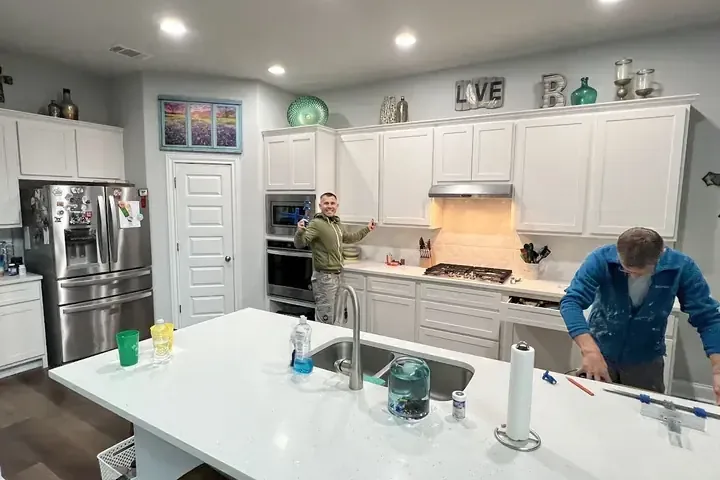
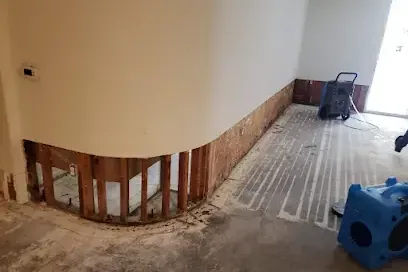
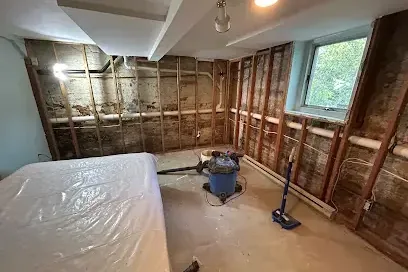
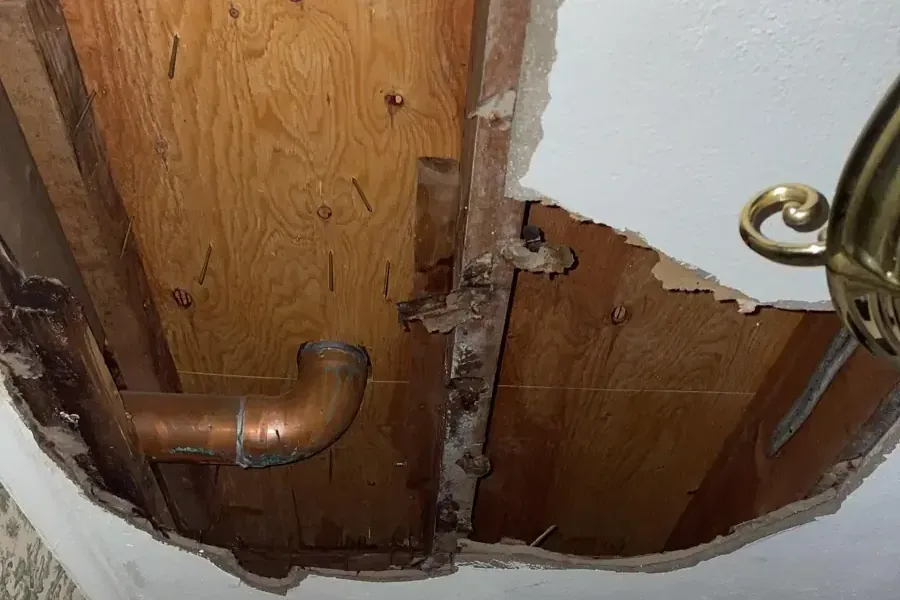
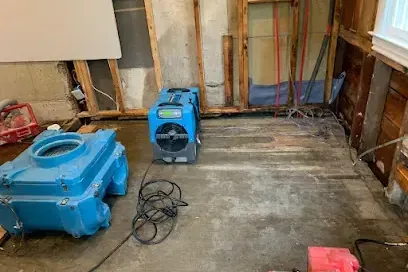
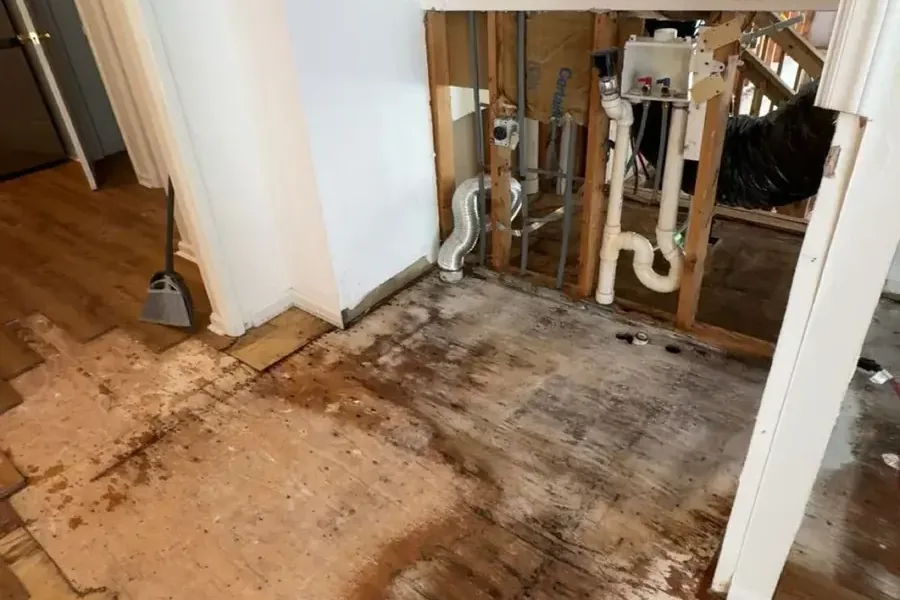
Every job is dried to an S500 goal
The S500 standard sets how drying is planned and verified. The drying team records starting readings, sets equipment by water class, and leaves it running until the meters show the structure back at normal.
Stop and extract
Shutoff first, then pumps and extractors take out standing water and soaked pad.
Map the moisture
Meters and a thermal camera mark every wet wall, floor section and ceiling bay on a sketch.
Set the equipment
Air movers and dehumidifiers go where the map points, with wet materials opened so air reaches them.
Verify and release
Daily readings continue until each material reads dry, then the equipment comes out.
Records an adjuster can use
Water damage claims move faster with clear paperwork. The restoration team documents the source, the affected rooms and every day of drying so the file is complete when the adjuster asks.
- Dated photos of the damage before any work starts
- A written moisture map of every wet room
- Daily temperature and humidity readings
- Itemized equipment and labor logs
- A list of removed and discarded materials
Starting the claim yourself
Call the insurer early, describe what happened and ask which water sources the policy covers, since a sudden pipe break and a sewer backup are often treated differently. Keep every receipt for emergency work.
Do not wait for approval before drying starts, because wet drywall and wood can grow mold in 24 to 48 hours. Photos taken first protect the claim.
Three kinds of water, three kinds of handling
Clean water
A burst supply pipe, a leaking water heater or a failed hose starts as clean water, but it turns gray if it sits for a day or two.
Frozen pipe cleanupGray water
Washer, dishwasher and sump pit overflow carries soap, dirt or bacteria, so porous materials usually come out and the area is treated.
Sump pump failure cleanupBlack water
Sewage and floor drain backups carry pathogens, so the work runs in containment with protective gear and every porous material is removed.
Sewage backup cleanupWhat to do the moment water appears
- 01Stop the source Close the main shutoff or the fixture valve to stop the flow before anything else gets wet.
- 02Make it safe Stay out of standing water near outlets or the panel, and leave the power alone if the breaker box is wet.
- 03Stop using drains Do not flush or run the washer while a floor drain or toilet is bubbling, because more water pushes sewage back in.
- 04Photograph, then call Take dated photos of the damage and the source, then call the drying team before moving wet belongings.
Water in your home right now?
Describe where the water is and where it came from, and the response team will walk through the first steps.
Photos of the wet area and the shutoff help the team plan the equipment and crew for the job ahead.
(888) 432-4933Call about your water lossWater damage help across Oak Grove
The drying team works across all the city's large lots and subdivisions, from the neighborhoods listed below to the county roads that connect them.
ZIP codes covered
Most homes use 55011 or 55303. With no post office of its own, the city also has addresses on St. Francis, Bethel and Andover ZIP codes.
Neighborhoods and roads
Nearby cities

Where water most often gets into Oak Grove homes
The Rum River, Cedar Creek and Seelye Brook run through the area, and Minnesota winters add freezes and thaws. These are common ways water gets into homes here, not predictions for any address.
- Spring snowmelt and heavy rain When snow melts fast or storms stall, ditches and creeks fill and groundwater rises, so sump pumps run hard and basements are the first place to show it.
- Winter freezes Cold snaps split supply pipes in exterior walls, garages and unheated corners, and the leak often only shows once the pipe thaws.
- Ice dams and roof leaks Snow that melts and refreezes at the eaves backs water under shingles, and falling limbs or wind can open a roof the same way.
- Sewage and septic backups Systems differ by neighborhood: The Ponds wastewater flows to the St. Francis system, and Lake George septic tanks are pumped every 3 years. Any failed pump, tank or drain can send sewage back inside.
August 29, 2024: Severe storms left large pine trees down blocking a road southeast of Swan Lakes Estate, a reminder that Minnesota wind can open a roof and let rain reach the ceilings below.
Water damage questions answered
Water still spreading?
The longer water sits, the deeper it moves into drywall and flooring, so describe the loss and ask for a plan.
(888) 432-4933 (888) 432-4933Describe the water by phoneHow fast should water be removed?
Start water extraction as soon as the source is stopped. Wet drywall and wood can grow mold within 24 to 48 hours, and carpet pad holds water that keeps wicking upward. Acting early keeps the loss smaller.
Will insurance pay for a failed sump pump?
Coverage varies by policy, and many policies treat groundwater or pump overflow differently from a sudden pipe break. The insurer can say whether a backup endorsement applies.
What does the drying team measure?
Moisture content in drywall, framing and subfloor, plus air temperature and humidity. Those readings set the equipment, show progress each day and decide when the structure is dry.
Is snowmelt or storm water clean?
No. Water that crosses yards, soil or ditches before entering is Category 3, so porous materials come out and surfaces are cleaned before drying starts.
What if a floor drain backs up?
Stop using water, keep people and pets out, and call. Sewage is Category 3, so sewage backup cleanup runs in containment with protective gear and every porous material that touched it is removed.
What happens after a frozen pipe thaws?
A split pipe starts leaking as it warms. Shut off the water, call a plumber for the repair, and have the drying team handle frozen pipe water damage by opening the wet wall and ceiling so nothing stays damp.
Do ice dams need roof work first?
Yes, the roof needs fixing to stop new leaks, but wet insulation and ceilings should be dried at the same time so damage does not keep spreading inside.
Is drying different for a shop or office?
The method matches, but the schedule differs. Phased work, containment and after-hours scheduling let shops and offices keep part of the space running while wet areas are dried, depending on the size of the loss.
Does drying equipment run all night?
Yes, air movers and dehumidifiers run continuously until readings say dry, usually a few days. The team checks them daily and moves or removes units as rooms finish.
How is the cost decided?
Scope sets the price: how much water, how long it sat, which materials are wet and whether sewage is involved. The moisture map supports the estimate. Written scope and daily logs back up the number.
Get a drying plan started for your home
Whether the water came from a pipe, the roof, a sump pit or a drain, the response team will help you stop it, document it and dry it to a measured standard.
(888) 432-4933Talk through your water loss