Water Damage Restoration Andover, MN
24/7 water damage restoration in Andover, MN. The restoration team extracts standing water, dries basements and framing to the IICRC S500 standard and documents every step for your insurance claim.

Water Damage Restoration Services in Andover, MN
Fourteen kinds of water loss, one drying standard. Pick the problem in front of you.
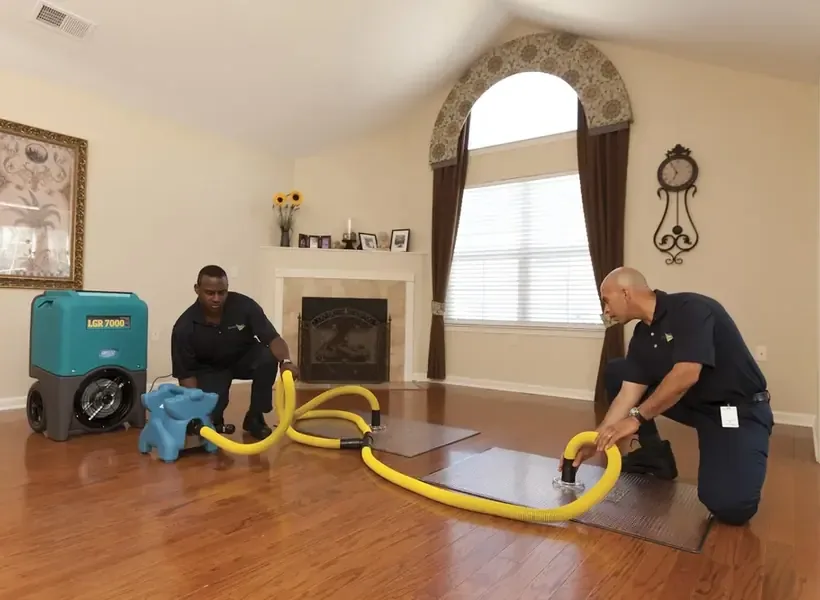
Water Extraction and Removal
Standing water pulled off carpet, pad and basement concrete before it wicks up drywall.
How it is handled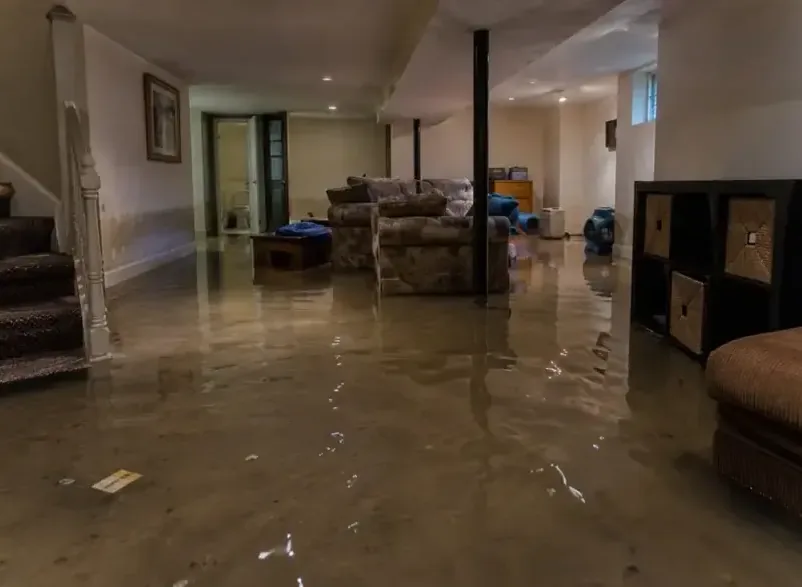
Basement Flooding Cleanup
Groundwater seeping in at the floor and walls, extracted and the lower level dried.
How it is handled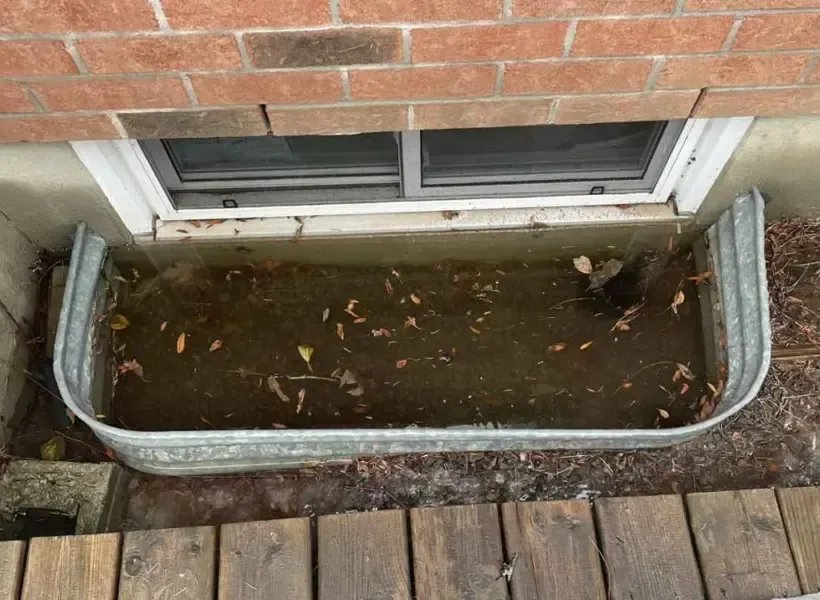
Sump Pump Failure Cleanup
A dead pump, stuck float or frozen discharge pipe that lets the pit overflow.
How it is handled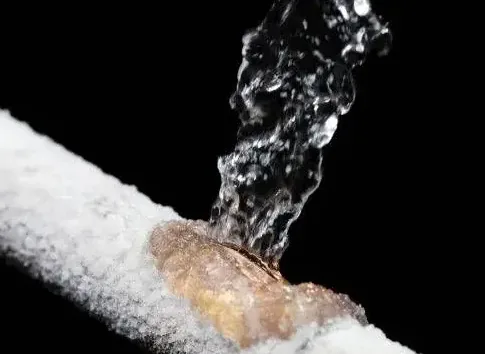
Frozen Pipe Water Damage
Pipes split in rim joists, garages and outside walls during a deep cold snap.
How it is handled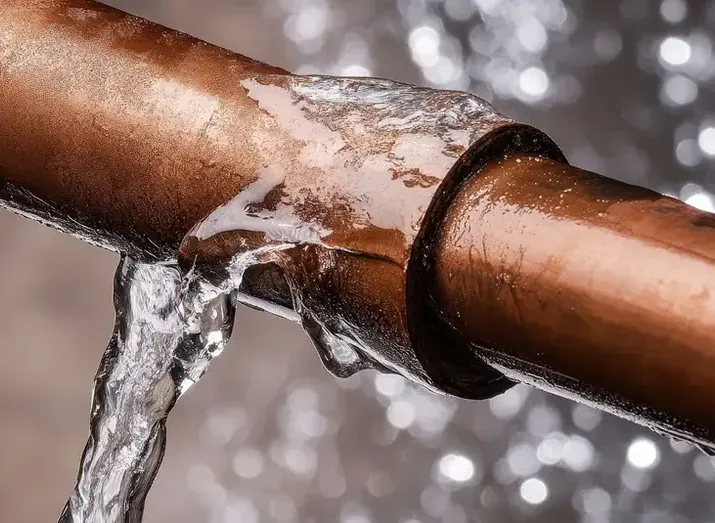
Burst Pipe Water Damage
A failed fitting, valve or supply connection that floods a floor in minutes.
How it is handled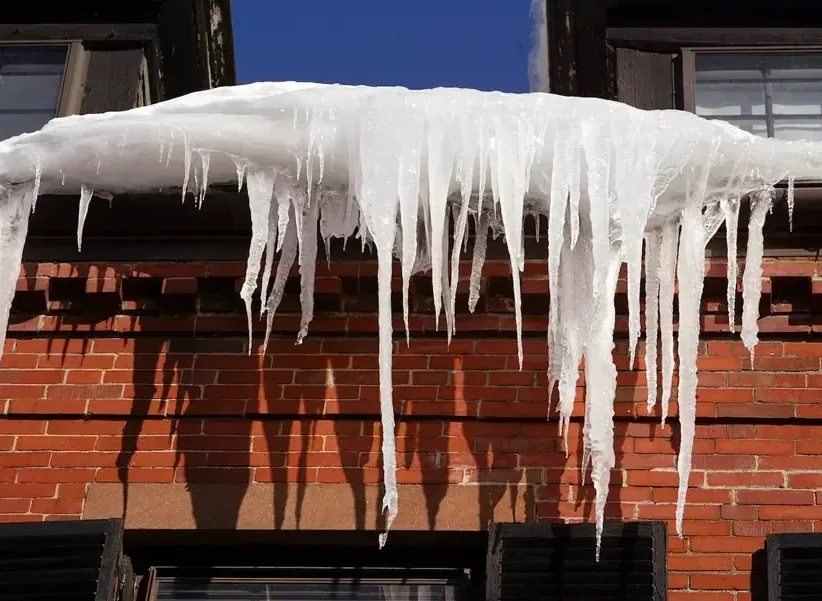
Ice Dam Water Damage
Meltwater forced under shingles at the eaves, soaking attic insulation and walls.
How it is handled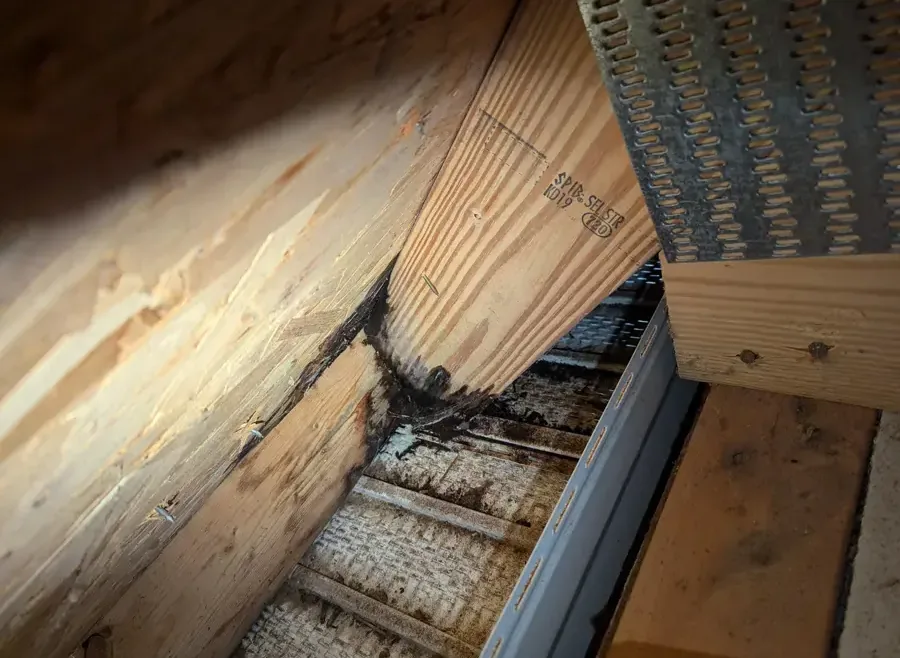
Roof Leak Water Damage
Hail, wind and flashing leaks traced through the attic and dried out below.
How it is handled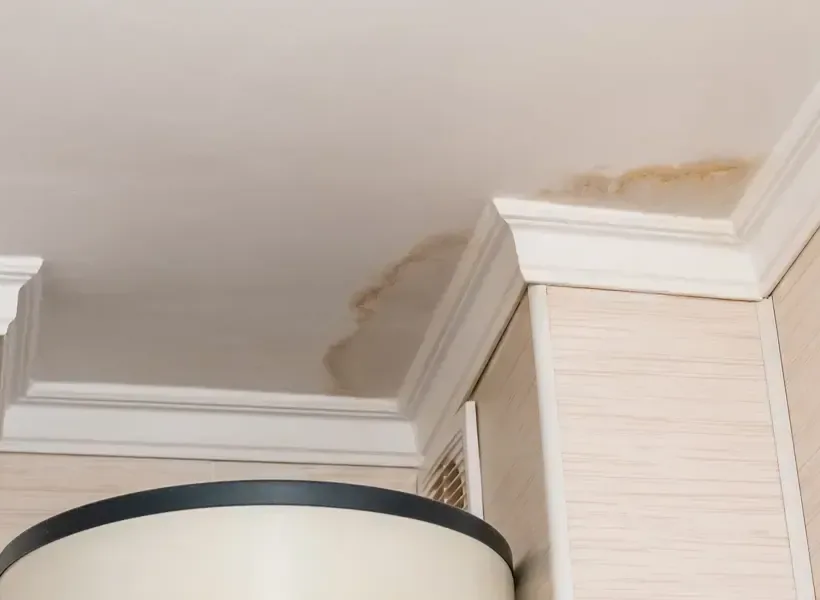
Ceiling Leak Water Damage
Water from an upstairs bath or supply pipe coming through the ceiling.
How it is handled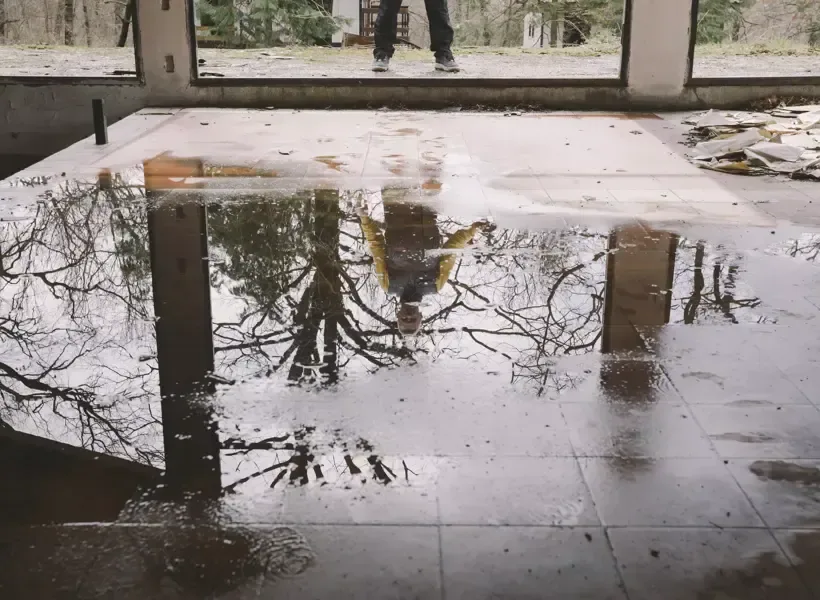
Storm and Snowmelt Flood Cleanup
Thunderstorm runoff and spring melt water that reaches the lower level.
How it is handled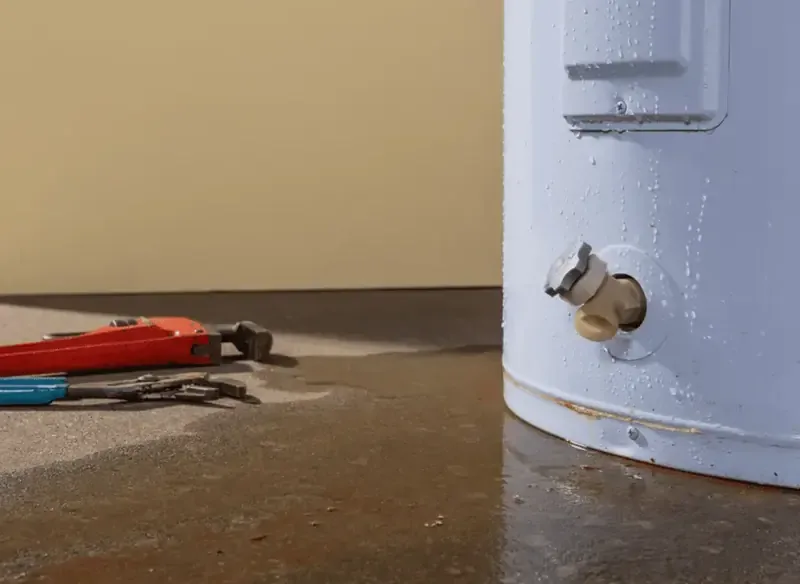
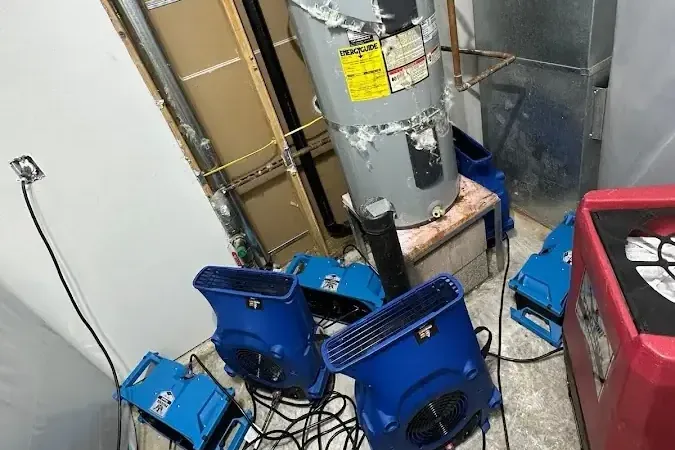
Water Heater Leak Cleanup
A failed tank in the basement utility room, extracted before the carpet soaks.
How it is handled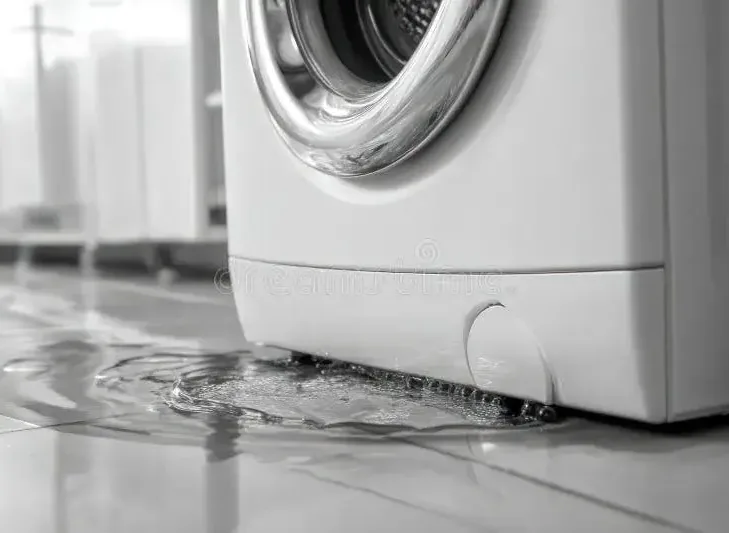
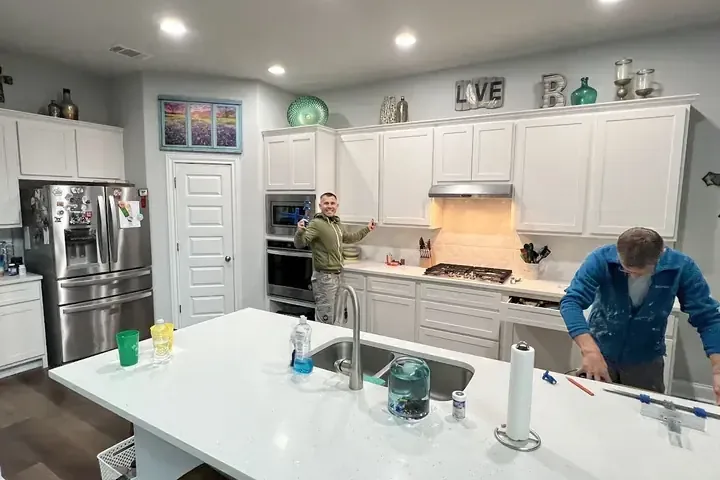
Appliance and Supply Hose Leaks
Washer hoses, dishwashers and fridge water tubes that soak floors and the ceiling below.
How it is handled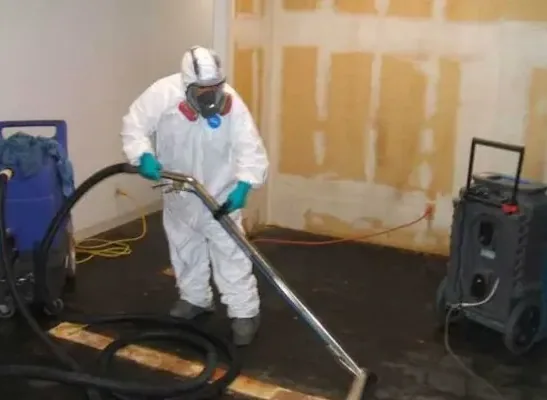
Sewage and Floor Drain Backup Cleanup
Floor drain, sewer and septic backups handled as Category 3 water.
How it is handled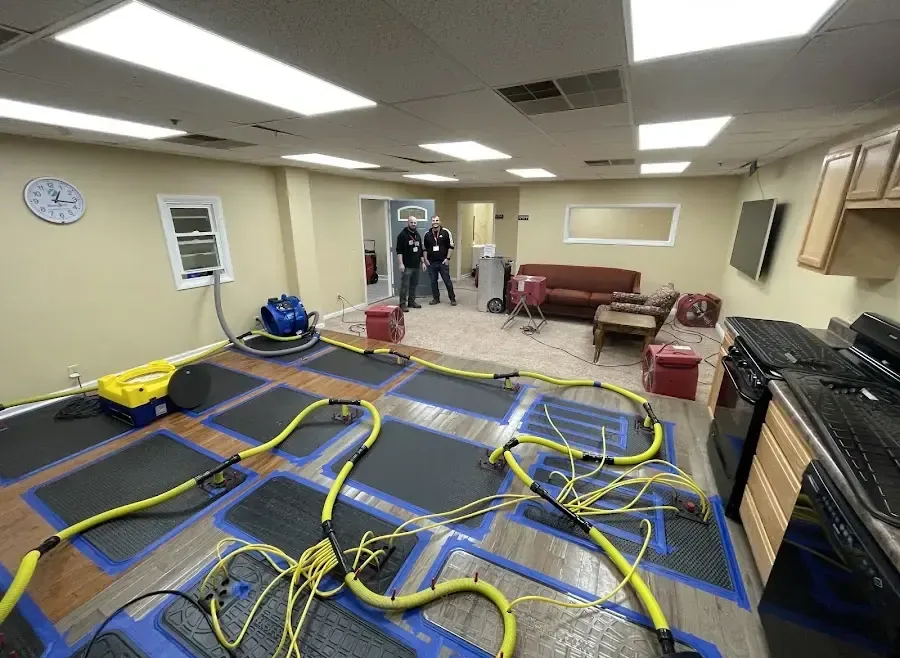
Structural Drying and Dehumidification
Framing, subfloor and concrete dried until the readings match a dry reference.
How it is handled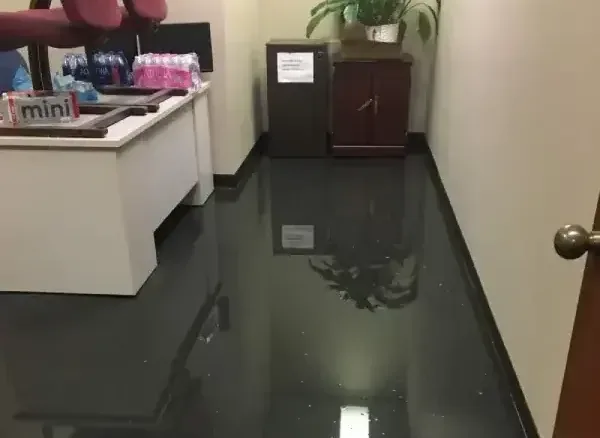
Commercial Water Damage
Shops, offices, clinics and churches dried in phases to keep doors open.
How it is handledWhat happens after the call
Every job follows the same order: stop the source, pull the water, map the moisture, then dry and document until the numbers say it is done.
Rapid local response
The response team dispatches 24/7, and active water is treated as urgent at any hour, holidays included.
IICRC S500 drying standard
Structural drying, not just surface drying, with air movers and LGR dehumidifiers sized to the class of loss.
Claim-ready documentation
Moisture maps, daily psychrometric logs and timestamped photos taken before anything is torn out.
Sand plain know-how
Shallow groundwater, deep frost and heavy snow decide where water shows up in a local home, so the walkthrough checks the sump pit, rim joists and attic.
The equipment a basement dry-out runs on
- Truck-mounted extraction pulls water out of carpet and pad.
- LGR dehumidifiers pull moisture out of cool basement air.
- Air movers are set to each room's evaporation load.
- Thermal imaging and pinless meters find water behind walls.
What does water damage restoration cost in Andover, MN?
Water damage restoration here typically runs $1,200 to $20,000+, and most finished-basement losses land between $3,500 and $9,000. The water category, the square footage, the materials and how fast drying started set the number.
Contained leak
- Part of one room or basement
- Clean water caught early
- Dried in place with readings
Finished basement
- Carpet pad and lower drywall out
- LGR dehumidifiers and air movers
- Daily moisture logs
Major or contaminated loss
- Sewage or outside flood water
- Containment and HEPA air scrubbers
- Removal across rooms or levels
Ranges are typical, not a quote. Insurance often pays for a sudden loss after the deductible, while groundwater and sump overflow depend on the policy. The water damage cost calculator gives a closer planning range.
Run the numbers in the cost calculatorWhat a water damage dry-out looks like in Andover, MN
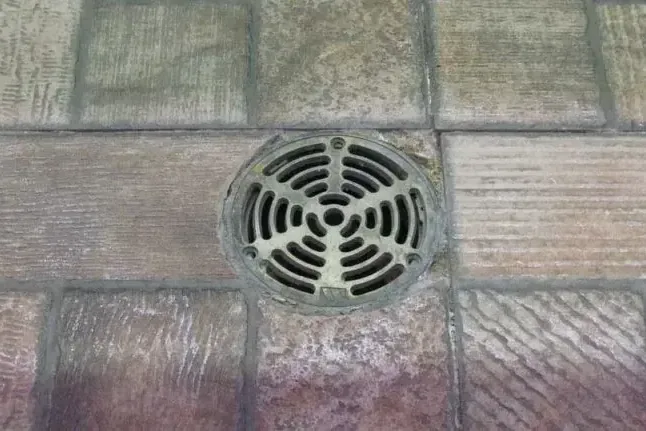
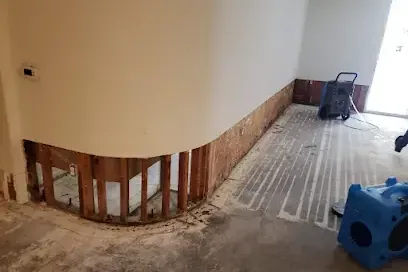
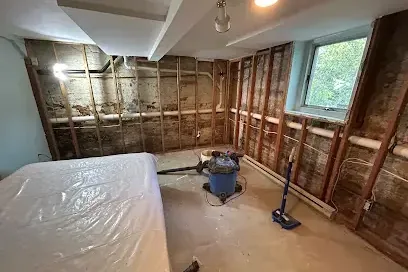
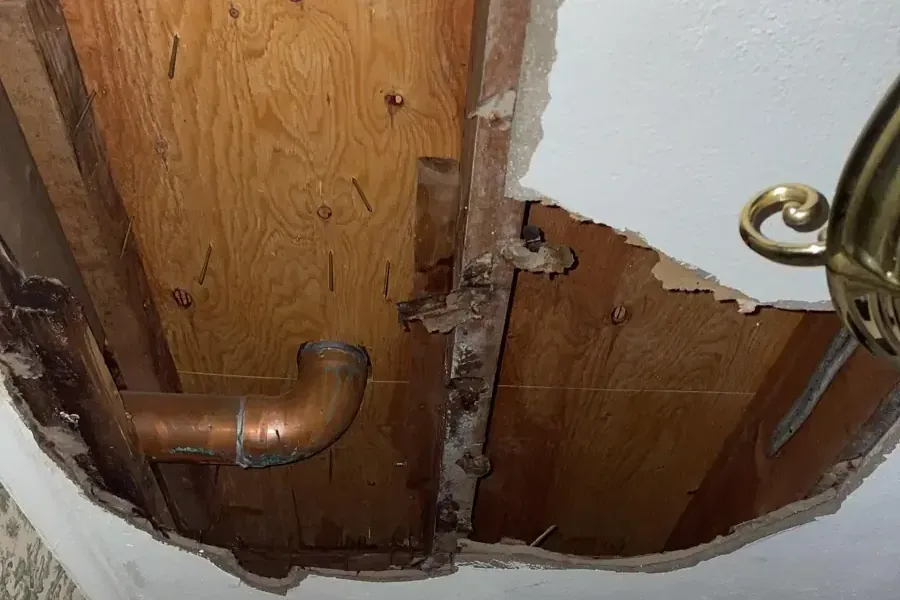
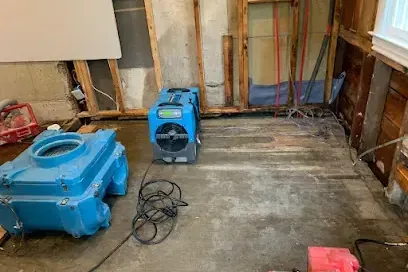
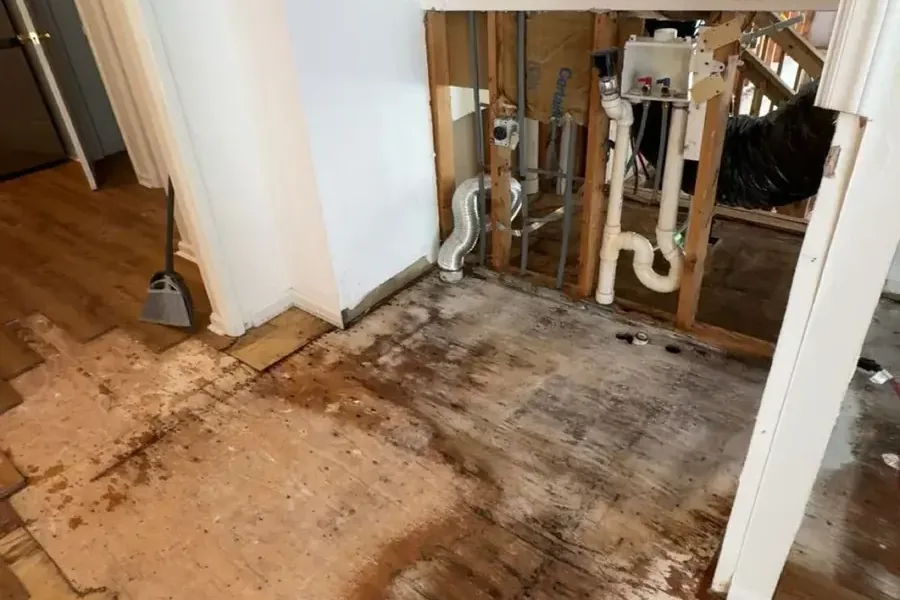
Water damage dried to the IICRC S500 standard
IICRC S500 is the industry drying standard. Wet materials are dried until they read within 2 to 4 points of a dry reference material in the same home, and the equipment stays until they do.
Stop and extract
The extraction crew stops the source and pulls standing water out of carpet, pad and concrete.
Map the moisture
Meters and thermal imaging show how far water moved under floors and up walls.
Dry the structure
Air movers and LGR dehumidifiers run, with desiccants for dense Class 4 materials.
Verify and record
Readings are logged daily until every material matches the dry reference.
Documentation for your insurance claim
An adjuster wants proof of what got wet, how wet, and what it took to dry it. The restoration team builds that file from the first visit.
- A moisture map of every wet room and level
- Daily psychrometric drying logs and meter readings
- Timestamped photos taken before any demolition
- The water category and class of loss on record
- An itemized, Xactimate-style scope of the work
Sudden leaks versus groundwater and backups
Many homeowners policies treat a sudden, accidental leak, such as a burst pipe or a failed water heater, differently from groundwater seepage, sump overflow and sewer backup, which often need a separate water backup endorsement. Outside flood water usually falls under a flood policy.
Coverage depends on your policy, so check with your own insurer before work starts and keep a copy of every reading and photo.
All water damage categories covered in Andover, MN
Clean water
Burst supply pipes, water heaters and ice maker tubes start as Category 1 and can usually be dried in place when the work starts fast.
Burst pipe water damageGray water
Washer discharge, dishwasher overflow and seepage that sits in a sump pit carry some contamination, so pad comes out and surfaces get an antimicrobial.
Sump pump failure cleanupBlack water
Sewage, floor drain backups and outside flood water are Category 3 from the start. Porous materials they touch are removed, not dried.
Sewage and floor drain backup cleanupWhat to do while the water is still moving
- 01Stop the source Close the main shutoff, usually near the meter in the basement, or unplug a failed sump pump before resetting it.
- 02Cut the power Switch off the breaker for the wet area if the panel is dry and safe to reach. Stay off wet floors near outlets.
- 03Lift and record Move boxes and furniture off wet carpet and take photos before anything is thrown out.
- 04Call for extraction The sooner water comes out of the pad and drywall, the more of the basement gets dried instead of removed.
One call reaches Andover water damage pros, 24/7
A flooded basement does not wait for morning. One call gets the restoration team moving with extraction gear, air movers and meters.
The number works around the clock, holidays included. Have the water source, the wet rooms and a few photos ready if you can.
(888) 432-4933Reach a local restoration proCoverage across the city and Anoka County
From the Bunker Lake Boulevard corridor to the rural lots in the north, and from the Rum River side across to Coon Creek and the lakes.
ZIP code covered
Not sure if your street is covered? Call anyway. A crew can be dispatched anywhere in the city and the neighboring cities at any hour.
Neighborhoods and corridors
Nearby cities

Why water damage hits Andover homes the way it does
Grow Township became the City of Andover in 1974, and the bulk of its homes went up in the decades after, most of them over a full or walkout basement. The land and the climate do the rest.
- Shallow groundwater on the Anoka Sand Plain. Sandy soil drains fast but the water table sits close to the surface near Coon Creek, the lakes and the wetlands, so sump pumps run hard after snowmelt and storms.
- Deep winter cold. Subzero nights split pipes in rim joists, garages and outside walls, and the water often shows up only when the pipe thaws.
- Heavy snow on the roof. Snow that melts over a warm attic and refreezes at the eaves builds ice dams that push water under shingles and into ceilings.
- Wells, septic and finished basements. Larger rural lots in the north run on private wells and septic, and a backup or pressure tank leak lands in a finished lower level full of carpet and drywall.
Winter 2022 to 2023: The Twin Cities measured about 90 inches of snow, one of the snowiest seasons on record. Seasons like that build ice dams on roofs, and the spring melt that follows raises groundwater under basements.
Water damage questions from Andover homeowners
Water still spreading?
Skip the reading for now. The response team dispatches 24/7 across the city and nearby Anoka County.
(888) 432-4933 (888) 432-4933Get the water pulled up nowHow fast does someone respond to a flooded basement?
Dispatch runs 24/7, and active water is treated as urgent at any hour, nights, weekends and holidays included. While you wait, shut off the water and stay off wet floors near outlets.
Why do so many basements here take on water in spring?
The city sits on the Anoka Sand Plain, where the water table is shallow. Snowmelt and spring rain raise it further, so water pushes in at the floor and wall joint and sump pumps run almost nonstop.
Is a sump pump overflow covered by insurance?
Often only with a water backup endorsement. A sudden burst pipe is usually treated differently from groundwater or sump overflow. Coverage depends on your policy, so check with your own insurer.
What should be done first while water is still coming in?
Stop the source at the main shutoff or the failed pump, cut power to the wet area if the panel is dry, move belongings up and photograph everything. Then call for extraction.
How long does it take to dry a basement?
A contained Class 1 loss usually dries in three to five days. A finished basement with wet concrete, framing and drywall often takes longer. Equipment stays until the readings say dry.
What is the IICRC S500 standard?
It is the industry standard for water damage restoration. It sets how water category and class are judged, how drying is planned and when a material counts as dry.
Does basement drywall always have to come out?
No. Clean water caught early can often be dried in place. Drywall that wicked gray or black water, or stayed wet for days, is cut out above the wet mark.
Can an ice dam cause water damage inside the house?
Yes. Meltwater backs up behind the ice, runs under the shingles and soaks attic insulation, the top of exterior walls and the ceiling below. See ice dam water damage.
Why is a floor drain or sewage backup handled differently?
Sewage is Category 3 water from the moment it backs up. The crew wears protective gear, removes porous materials it touched, and treats surfaces with an EPA-registered antimicrobial.
How is the cost of a water damage job figured?
By the water category, the square footage, the materials that got wet and how fast drying started. The cost calculator shows a typical range.
Water in the basement right now? Start the dry-out.
Every hour standing water sits means more carpet, pad and drywall to remove instead of dry. The extraction crew heads out at any hour across the city and the nearby Anoka County communities.
(888) 432-4933Call for emergency water removal