Water Damage Restoration Ham Lake, MN
24/7 water damage restoration in Ham Lake, MN, a city of private wells and septic systems. The extraction crew pulls standing water, dries to the IICRC S500 standard and records each reading for the claim.
Water Damage Restoration Services in Ham Lake, MN
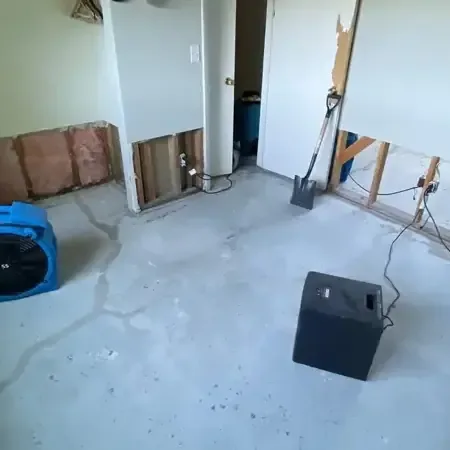
Fourteen water problems, each handled to the same drying standard in homes on wells and septic.
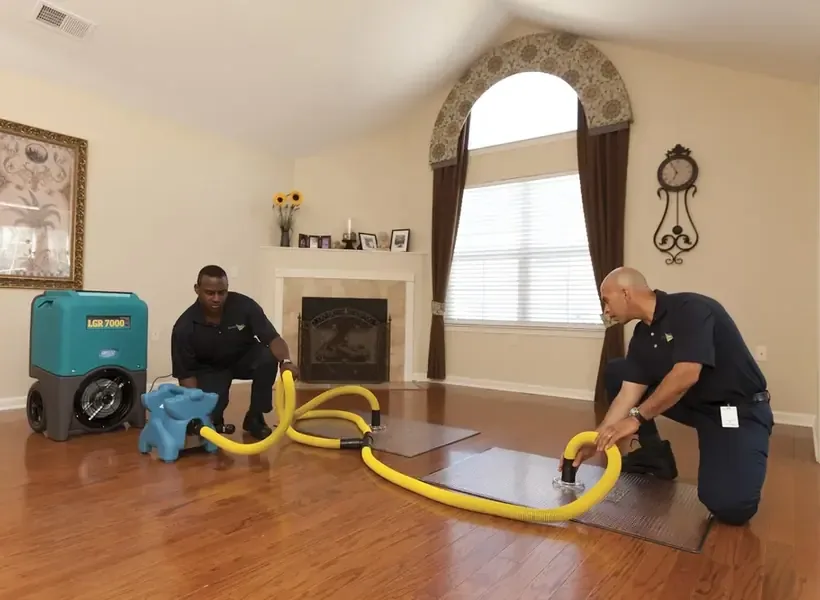
Water Extraction and Removal
Storm and snowmelt water pulled from low-lying basements before it soaks pad and drywall.
How it is handled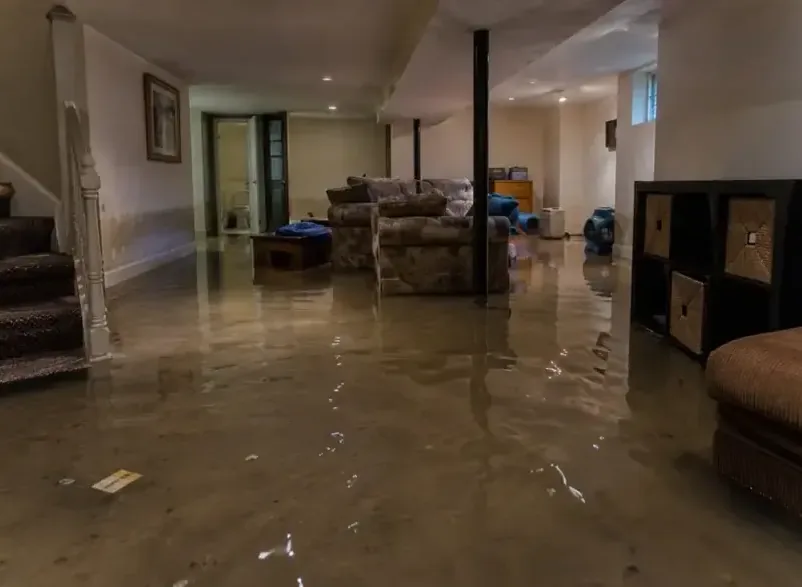
Basement Flooding Cleanup
High water table seepage in low areas extracted and the finished level dried out.
How it is handled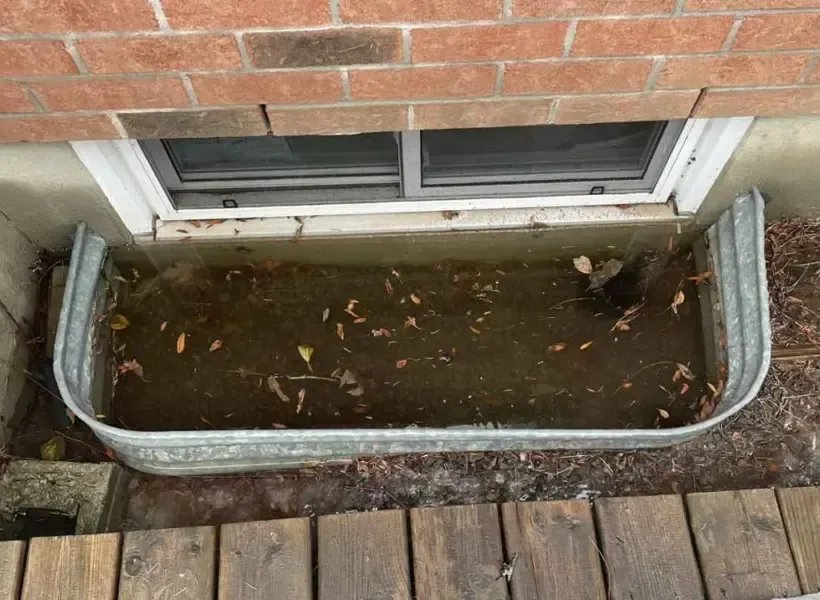
Sump Pump Failure Cleanup
Pits that overflow when an ice storm or a blizzard knocks out the power.
How it is handled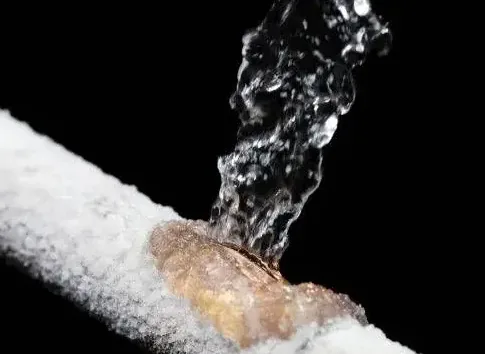
Frozen Pipe Water Damage
Pipes that split in cold walls and garages during winter, found and dried.
How it is handled
Burst Pipe Water Damage
Failed fittings and valves on well-fed supply pipes, extracted before the subfloor soaks.
How it is handled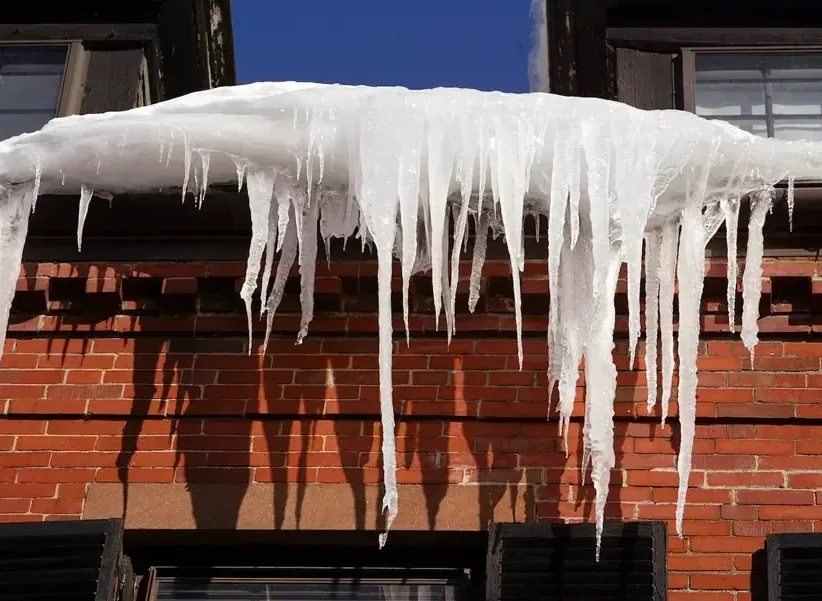
Ice Dam Water Damage
Roof-edge meltwater in heavy-snow winters that soaks attic insulation and ceilings.
How it is handled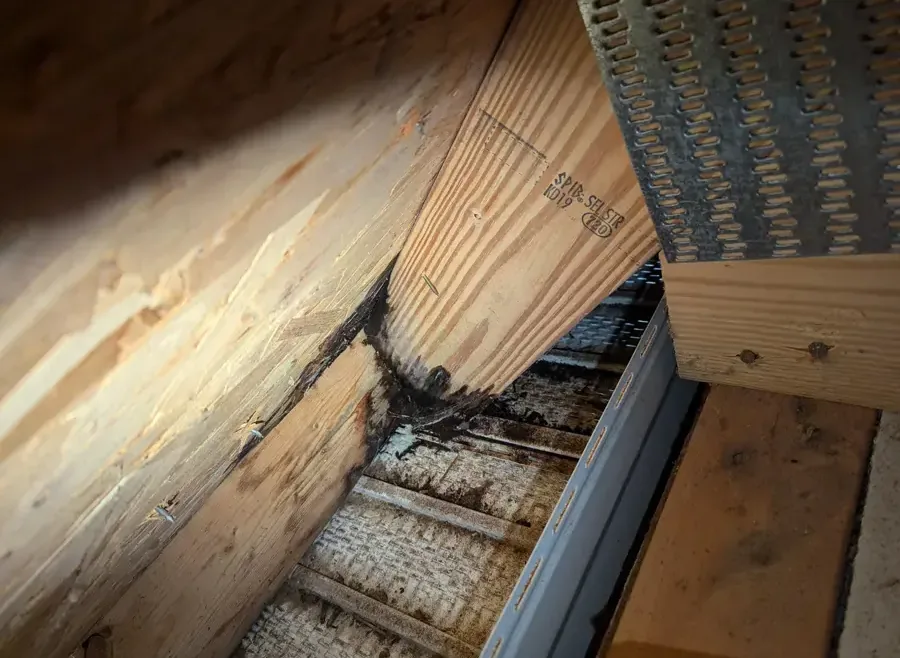
Roof Leak Water Damage
Wind and hail leaks traced through the attic and dried in the rooms below.
How it is handled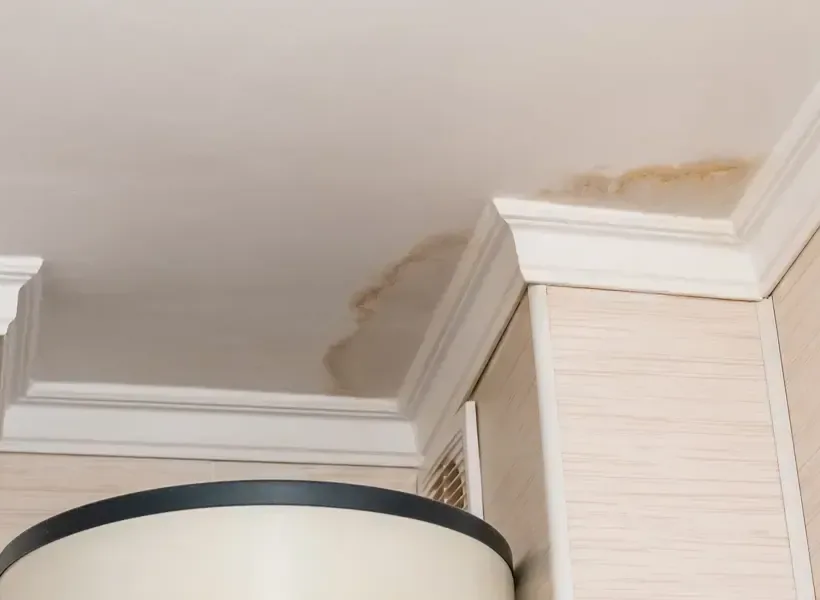
Ceiling Leak Water Damage
Upstairs bath and supply leaks that bring water through the ceiling below.
How it is handled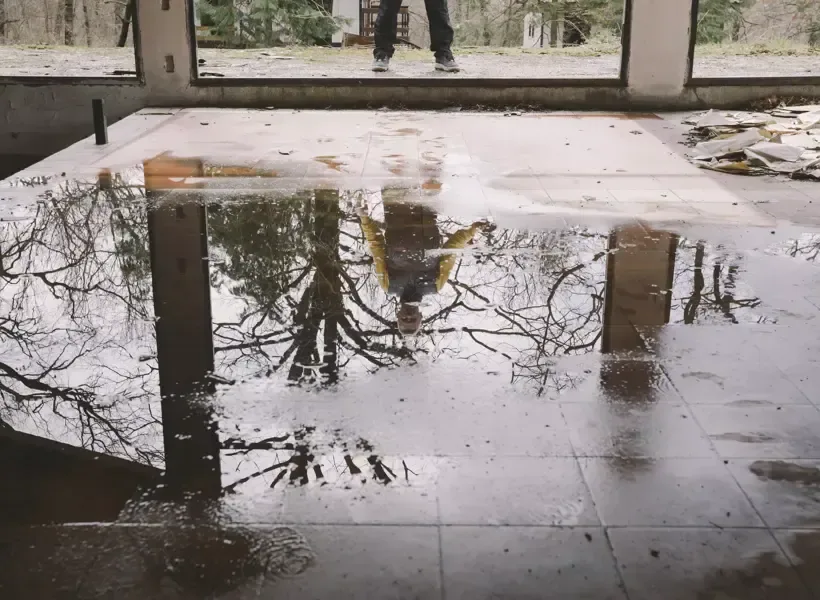
Storm and Snowmelt Flood Cleanup
Spring flooding from blocked street drainage and summer downpours, cleaned as Category 3.
How it is handled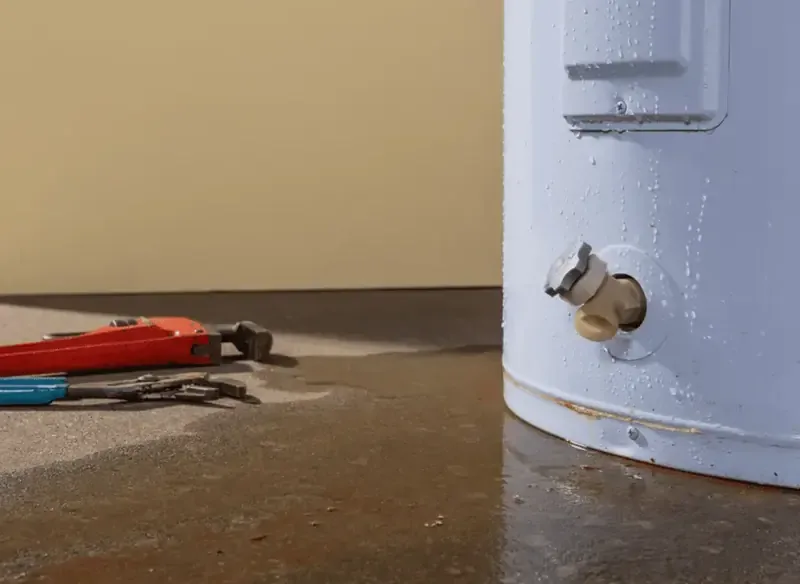
Water Heater Leak Cleanup
Failed tanks extracted before the water reaches walls and flooring.
How it is handled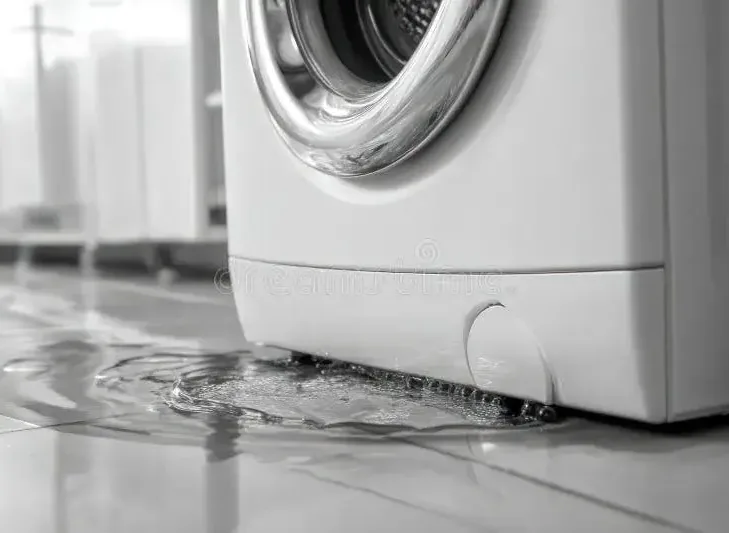
Appliance and Supply Hose Leaks
Washer, dishwasher and ice maker leaks that reach the finished basement below.
How it is handled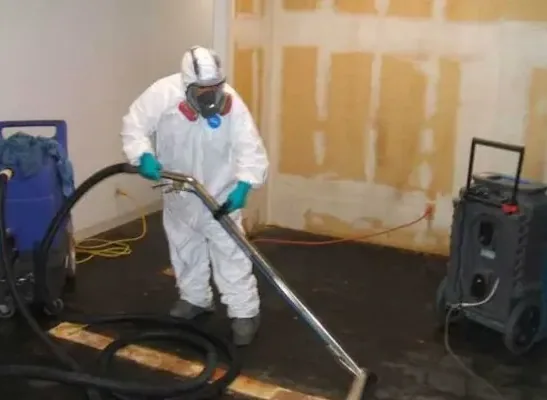
Sewage and Floor Drain Backup Cleanup
Septic system backups through floor drains and toilets, handled as Category 3.
How it is handled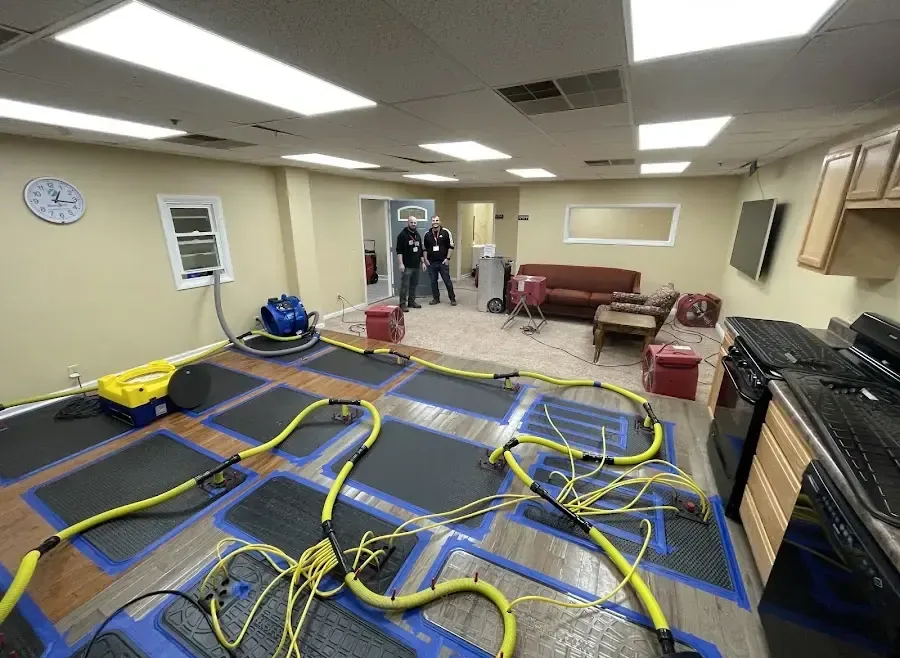
Structural Drying and Dehumidification
Framing and subfloors dried to measured readings through humid summers and cold winters.
How it is handled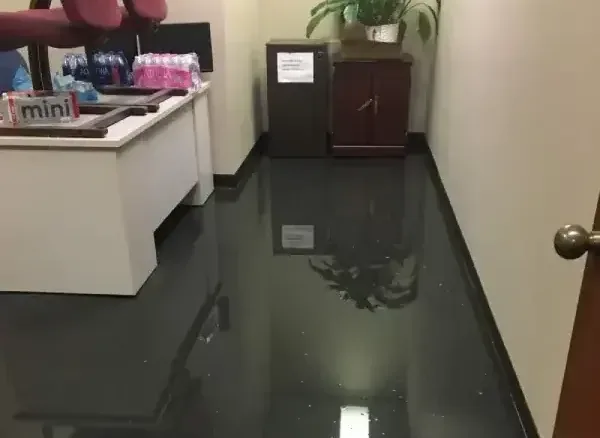
Commercial Water Damage
Highway 65 shops and concrete block industrial buildings dried to keep work going.
How it is handledFrom the first call to dry
Each job runs in the same order: shut off the source, extract, map moisture, then dry and record until the readings match a dry reference.
Rapid local response
Dispatch runs around the clock, and active water in a home here is treated as urgent at any hour.
IICRC S500 drying standard
Air movers and LGR dehumidifiers are sized to the class of loss, and drying ends on readings, not on a schedule.
Claim-ready documentation
Moisture maps, daily psychrometric logs and timestamped photos go into the file before anything is removed.
Well and septic know-how
With private wells and septic systems instead of city utilities, the walkthrough checks the pressure tank, the floor drain and the sump pit.
Equipment that dries a flooded lower level
- Submersible pumps take down deep water in window wells and basements.
- Truck-mounted extraction pulls water out of carpet and pad fast.
- LGR dehumidifiers keep working in cool, damp basement air.
- Meters and thermal cameras show water hiding in walls.
What does water damage restoration cost in Ham Lake, MN?
Here, most water damage jobs run $1,200 to $20,000+, and a finished basement loss usually lands between $3,500 and $9,000. Water category, square footage, materials and drying speed set the final figure.
Small, clean-water leak
- One room or a corner of the basement
- Caught within a day
- Dried in place, readings logged
Finished lower level
- Pad and lower drywall removed
- LGR dehumidifiers and air movers
- Daily moisture records
Septic, flood or long exposure
- Category 3 removal
- Containment and HEPA scrubbers
- Several rooms or levels
Ranges are typical, not a quote. A sudden leak is often covered after the deductible, while septic backup and groundwater depend on the policy. Try the cost calculator for a closer range.
Estimate a range with the calculatorWhat a water damage dry-out looks like, room by room
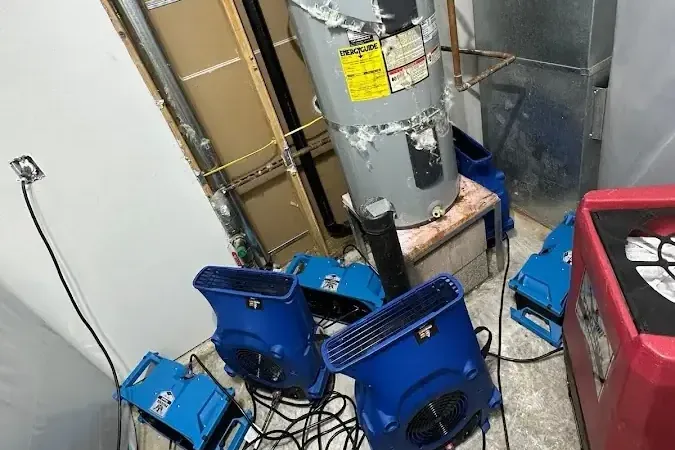
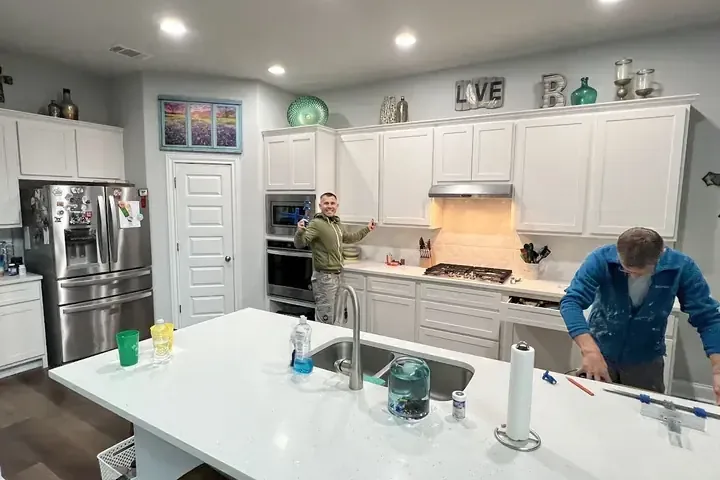
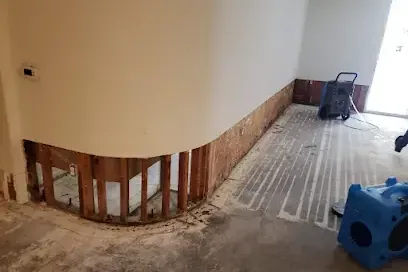
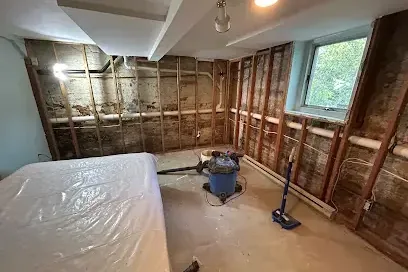
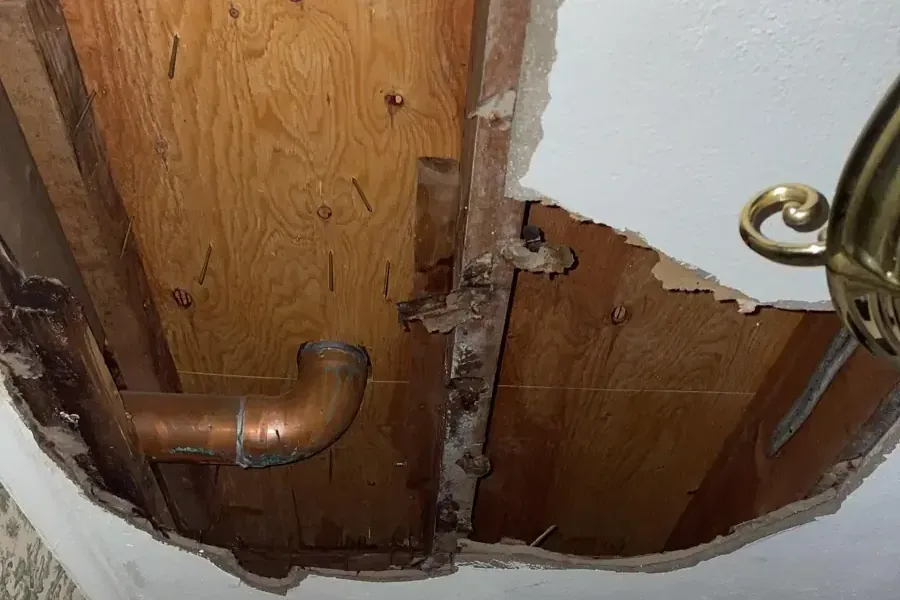
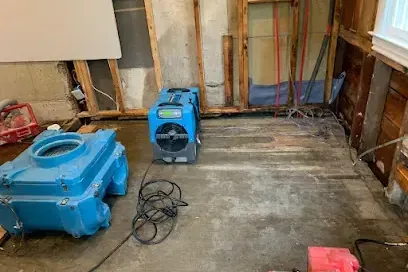
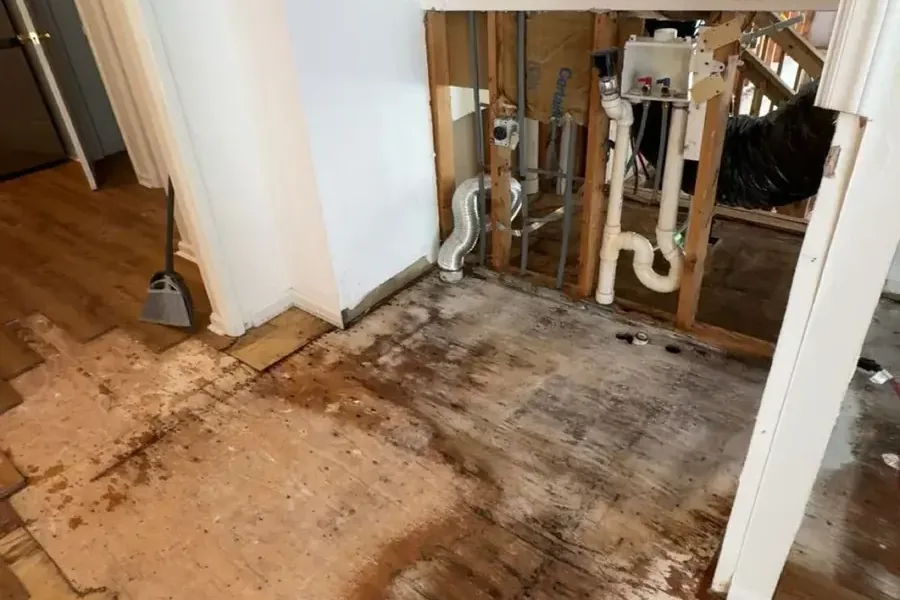
Dried to the IICRC S500 standard, room by room
The S500 standard defines when a material counts as dry: within 2 to 4 points of the same material in an unaffected part of the house. Equipment runs until every marked spot gets there.
Source and extraction
The crew shuts off the source and extracts water from carpet, pad and the basement slab.
Moisture mapping
Pin and pinless meters plus thermal imaging trace water under floors and inside walls.
Drying setup
Air movers and LGR dehumidifiers go in, with desiccants for hardwood or concrete.
Daily verification
Readings are written down every day until each material reaches the dry reference.
Documentation for your insurance claim
Adjusters ask what got wet, how wet it was and what drying took. The restoration team starts that record on the first visit and adds to it daily.
- Moisture maps for each wet room and level
- Daily drying logs with every meter reading
- Timestamped photos taken before demolition
- The category and class of the loss
- An itemized scope listing every task performed
Septic backups, wells and sudden leaks
Policies often split a sudden leak, such as a burst pipe, from septic or drain backup and from groundwater seepage, which may need a water backup endorsement. Outside flood water usually falls under flood insurance, and the city joined the National Flood Insurance Program in 1975.
Coverage depends on your policy, so check with your own insurer and keep every photo and reading.
All water damage categories covered in Ham Lake, MN
Clean water
A burst supply pipe, a split frozen pipe or a failed water heater starts clean and is often dried in place when work starts quickly.
Frozen pipe water damageGray water
Sump pit water, washer overflow and dishwasher leaks carry some contamination, so pad is removed and surfaces get an antimicrobial.
Sump pump failure cleanupBlack water
Septic backups and outside flood water are Category 3 from the start, and porous materials they reach are removed, not dried.
Sewage and floor drain backup cleanupWhat to do while water is still coming in
- 01Shut the water off On a well, switch off the well pump breaker, or close the main valve near the pressure tank.
- 02Make it safe Turn off power to wet rooms at a dry panel and keep everyone off wet floors near outlets.
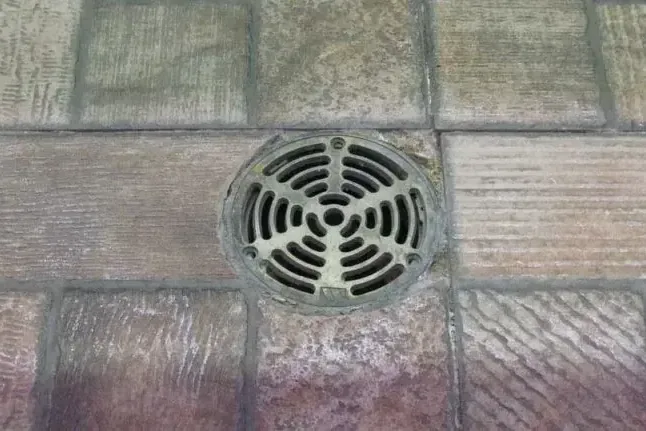
- 03Stop using drains If a floor drain or toilet is backing up, stop flushing and running water so the backup does not grow.
- 04Photograph, then call Record the water and damaged items, then call so extraction starts before pad and drywall soak through.
One call reaches Ham Lake water damage pros, 24/7
Water in a basement on a high water table keeps spreading. One call sends the restoration team with pumps, air movers and meters.
Have the source of the water, the wet rooms and a few photos ready when you call, day or night.
(888) 432-4933Talk to a restoration pro nowCoverage across Ham Lake and nearby cities
From Soderville in the north to the Bunker Lake Boulevard edge, and from the Highway 65 corridor out to Lake Netta and Coon Lake.
ZIP code covered
If your road is not listed, call anyway. Crews cover the whole city and the neighboring Anoka County cities at any hour.
Neighborhoods and roads

Why water damage in Ham Lake follows the land and the utilities
Ham Lake was organized as a township in 1871 and became a city in 1974. The median home here was built in 1994, and the city sits on sand, peat and wet low ground.
- Wells and septic, no city utilities. Single-family homes use private wells and septic systems, and city code calls for each septic system to be inspected at least every 3 years.
- A high water table in low areas. The city sits on the Anoka sand plain, low areas have a high water table near the surface, and old drainage ditches are often silted in.
- Snow, ice and power outages. Snow averages about 48 inches a year, and the county hazard plan says overhead power lines here fail in ice storms and blizzards.
- Lakes and Coon Creek. Coon Creek runs northeast to southwest through the city and drains Ham Lake, Lake Netta and Mallard Lake. Snow pushed onto streets can block storm drains and flood yards and even houses in spring.
December 16, 2015: The current FEMA flood map for the city took effect that day. The Anoka County 2025 Hazard Mitigation Plan counts 137 potential buildings damaged in the city's floodplain.
Water damage questions from Ham Lake homeowners
Water still rising?
No need to read further. The response team dispatches 24/7 across the city and nearby Anoka County.
(888) 432-4933 (888) 432-4933Get the water out of the basementHow fast does someone respond to water in the house?
Dispatch runs 24/7, and active water is treated as urgent at any hour, including nights, weekends and holidays. Shut off the water and stay away from wet outlets while you wait.
Why do basements in low parts of the city take on water?
Low areas and depressions here have a naturally high water table at or near the surface. Spring snowmelt and heavy rain push it higher, so water seeps in and sump pumps run hard.
What happens when a septic system backs up into the house?
Sewage from a septic backup is Category 3 water. The crew contains the area, removes porous materials it touched and treats surfaces with an EPA-registered antimicrobial. A septic professional checks the tank and the system.
Does a burst pipe affect the well?
A split supply pipe leaves a well home without water until the pipe is repaired, and the pump can keep running while water escapes. Switch off the well pump breaker to stop the flow.
Is a sump pump overflow covered by insurance?
Often only with a water backup endorsement, and septic backup can be treated the same way. Coverage depends on your policy, so check with your own insurer.
How long does a basement take to dry?
A small clean-water loss often dries in three to five days. A finished basement with wet framing and a soaked slab takes longer, and the equipment stays until readings match a dry reference.
What does the IICRC S500 standard mean for my home?
It is the industry standard for water damage restoration. It sets how the water category and class are judged, how drying is planned and when each material counts as dry.
Can an ice dam leak into the house?
Yes. Meltwater trapped behind ice at the eaves runs under shingles into the attic, the tops of walls and the ceiling. See ice dam water damage.
Should the well be tested after a flood?
Anoka County recommends that private well owners test their water every year for coliform bacteria and nitrate, and health agencies advise testing after flooding near a well.
How is the cost of the job figured?
By water category, square footage, the materials that got wet and how fast drying started. The water damage cost calculator gives a typical range.
Water in the lower level? Start drying it today.
Water left on carpet and concrete keeps wicking into drywall and framing. The extraction crew heads out at any hour across the city, Soderville and the nearby Anoka County cities.
(888) 432-4933Call for water removal now