Water Damage Restoration Spring Lake Park, MN
Extraction, drying and cleanup for Spring Lake Park ramblers, apartments and shops, whether a pipe burst, a sump pump quit, a drain backed up or rain found a way in.

Water damage services for local homes and shops
Every loss below gets its own scope, equipment and drying plan, from a leak to a flooded floor.
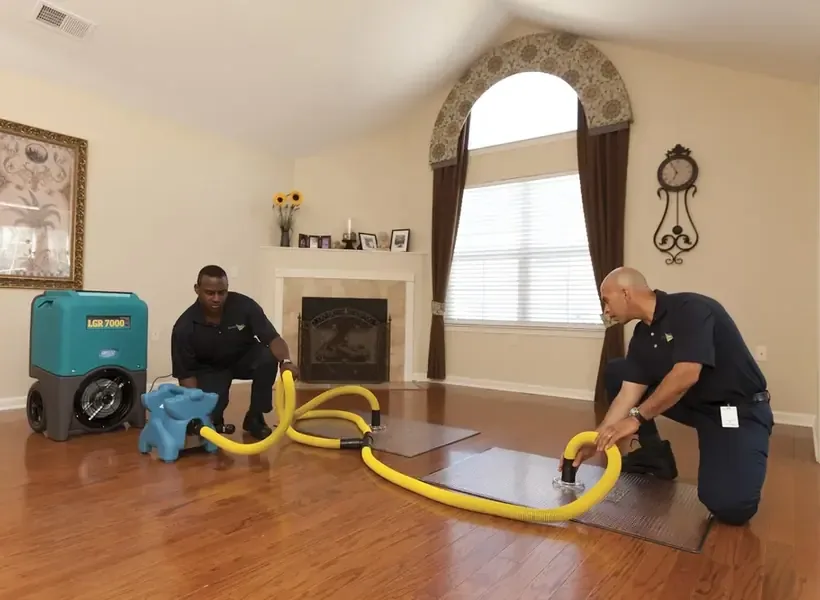
Water Extraction and Removal
Pumps and extractors pull standing water from carpet, pad and hard floors before it spreads.
How it is handled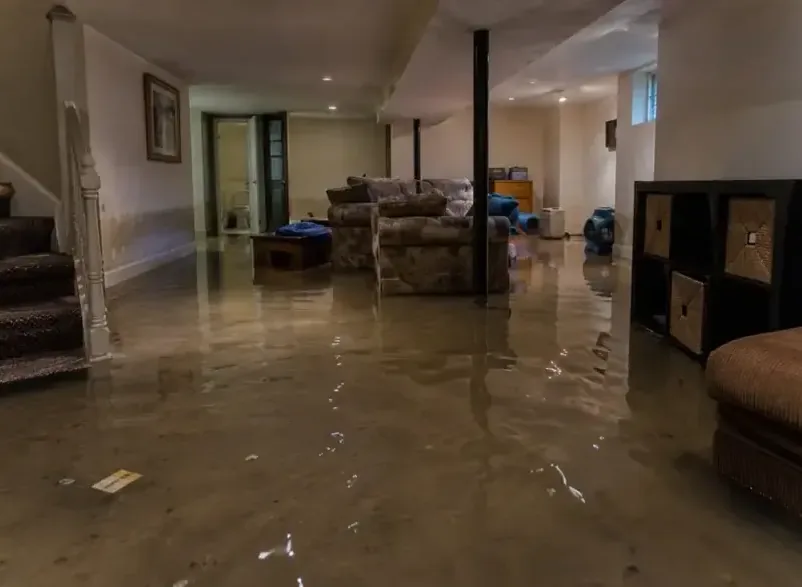
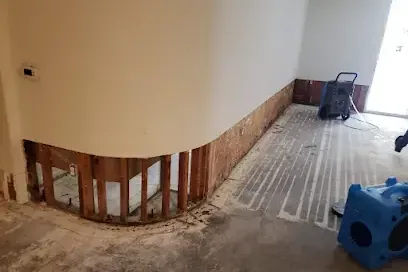
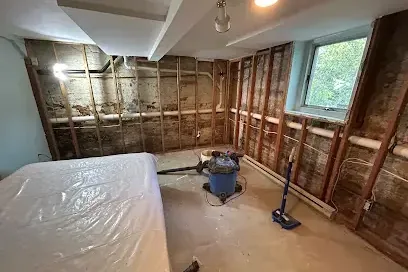
Basement Flooding Cleanup
Lower level water is pumped out, wet materials removed and drying checked daily.
How it is handled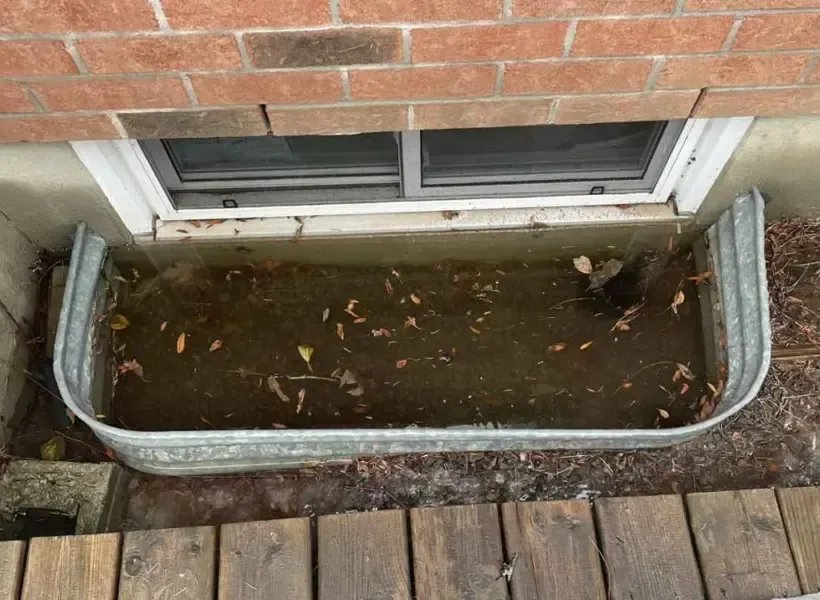
Sump Pump Failure Cleanup
An overflowing pit after an outage or a worn pump needs fast extraction and drying.
How it is handled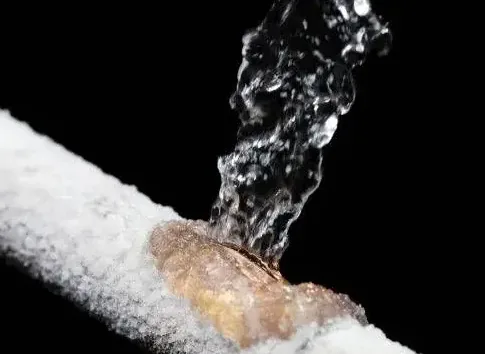
Frozen Pipe Water Damage
A pipe that split in a hard freeze can soak walls and ceilings before anyone notices.
How it is handled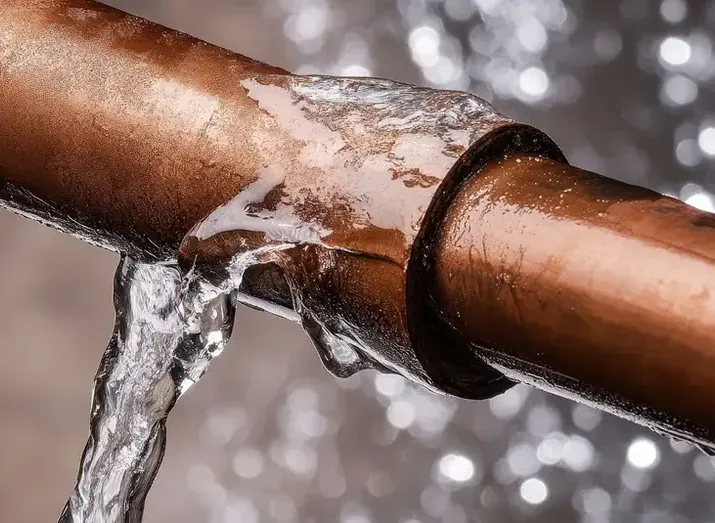
Burst Pipe Water Damage
Burst supply pipes flood fast, so extraction starts with the soaked floors and drywall.
How it is handled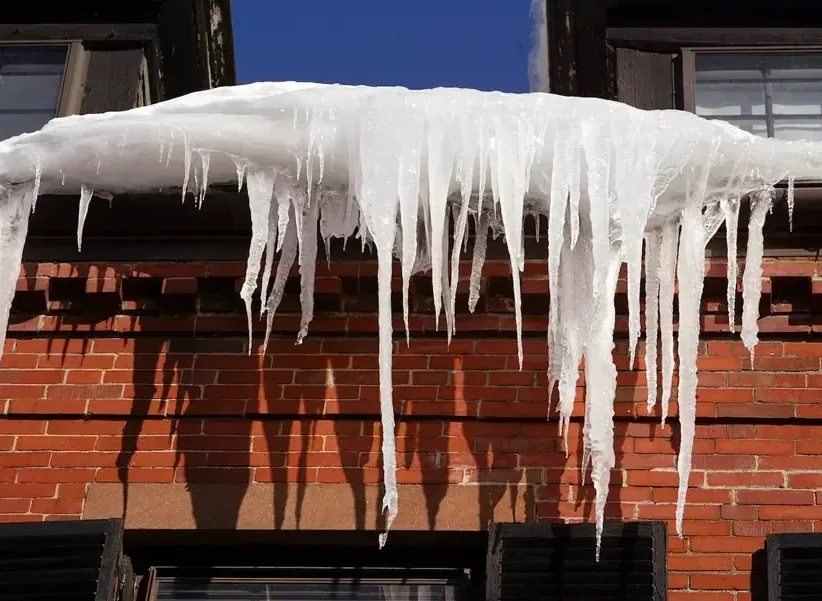
Ice Dam Water Damage
Melt backed up under roof edges stains ceilings and soaks insulation along outside walls.
How it is handled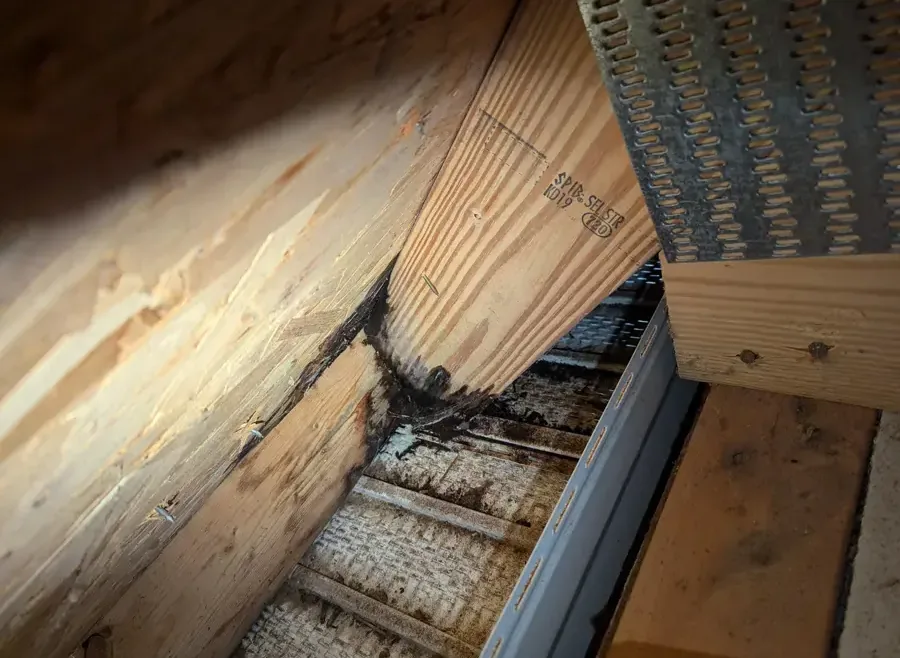
Roof Leak Water Damage
Rain through a worn roof wets attic insulation, decking and ceilings that need drying.
How it is handled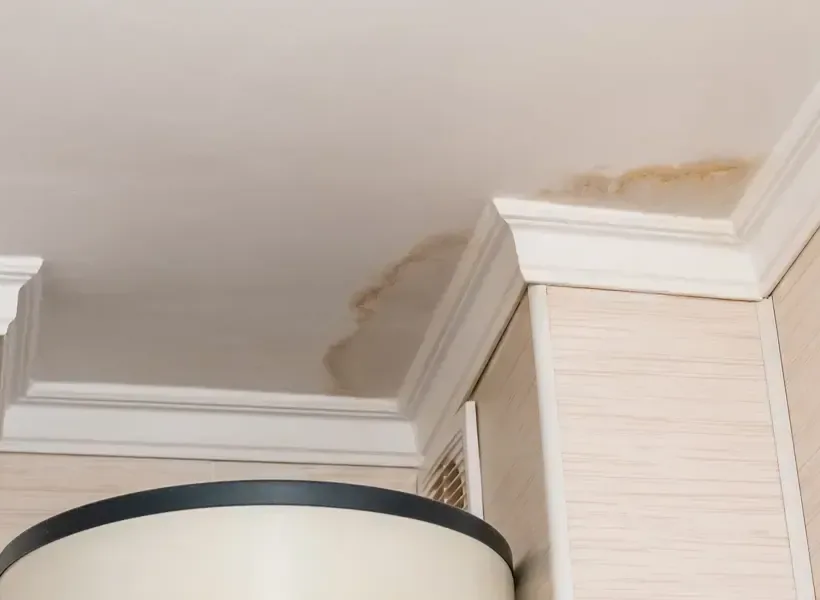
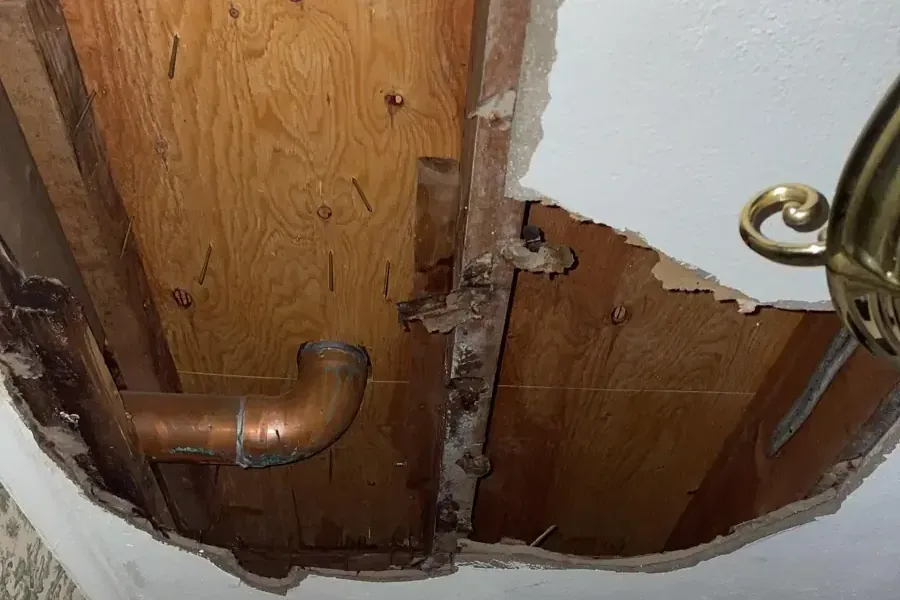
Ceiling Leak Water Damage
Stains, sags and drips overhead mean wet drywall and joist bays to open and dry.
How it is handled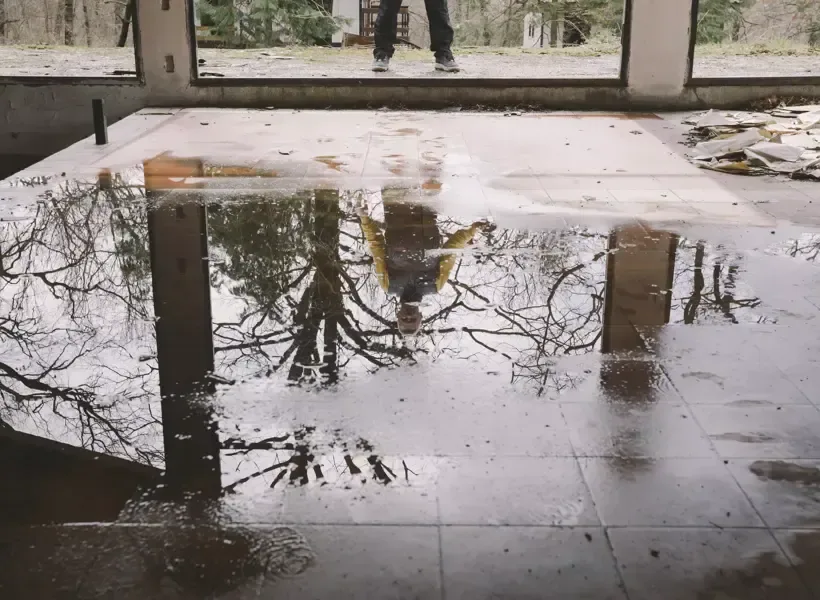
Storm and Snowmelt Flood Cleanup
Rain or snowmelt that reaches a lower level leaves mud, water and soaked materials.
How it is handled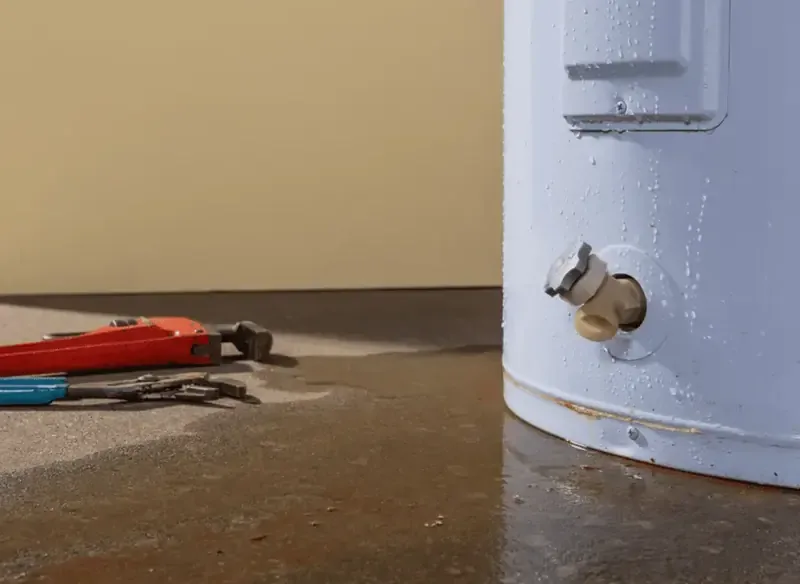
Water Heater Leak Cleanup
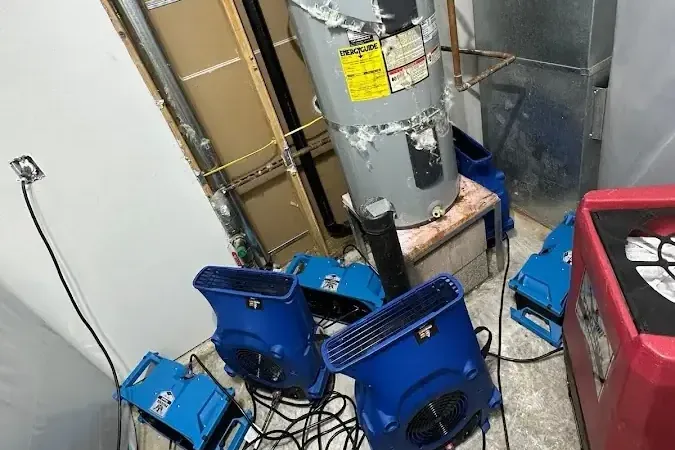
A leaking tank soaks the utility room and spreads under walls to the next room.
How it is handled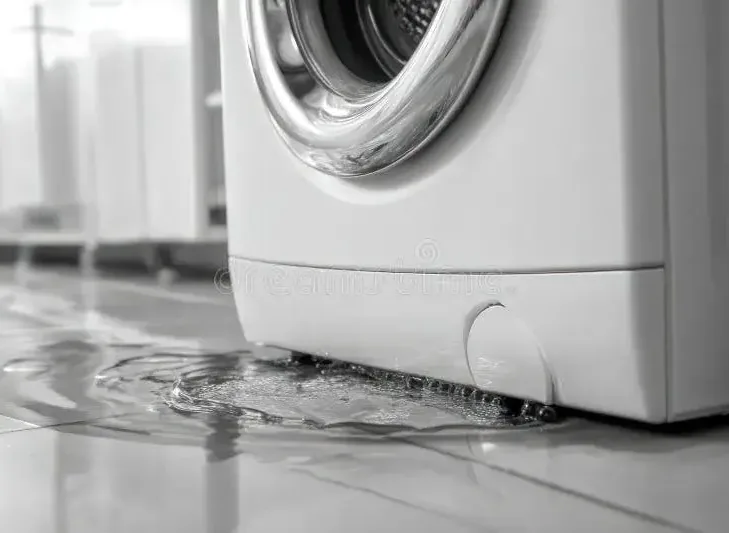
Appliance and Supply Hose Leaks
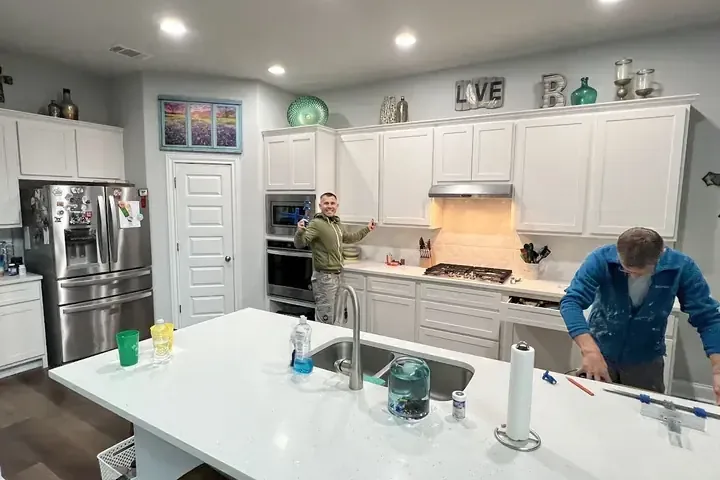
Dishwashers, washers and fridge supply hoses leak behind cabinets and under floors.
How it is handled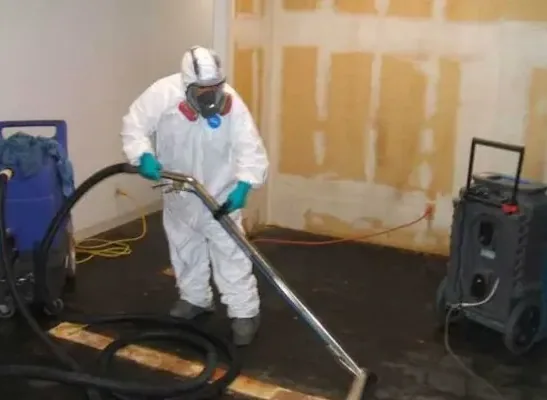
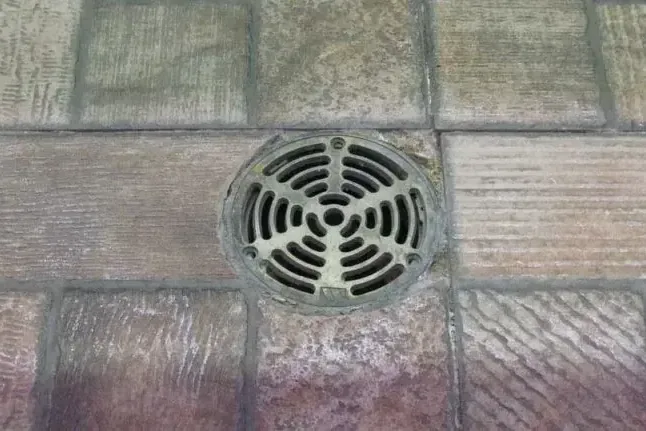
Sewage and Floor Drain Backup Cleanup
Sewage and floor drain backups call for containment, removal of porous material and disinfecting.
How it is handled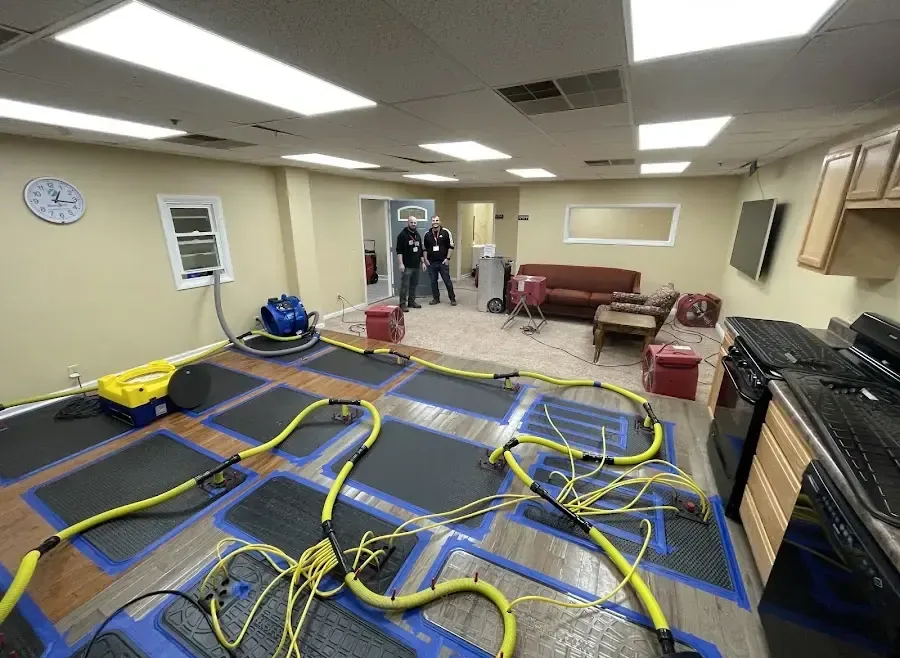
Structural Drying and Dehumidification
Dehumidifiers and air movers dry framing, subfloors and wall cavities to measured goals.
How it is handled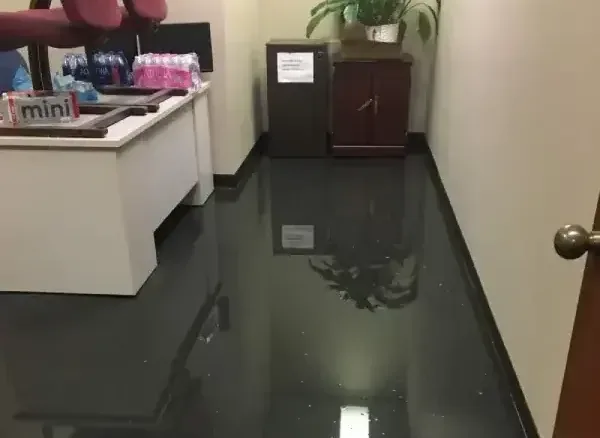
Commercial Water Damage
Shops, offices and apartment buildings dry in phases so the rest of the building keeps working.
How it is handledBuilt for older ramblers and shops
Most homes here are ramblers from the 1950s and 1960s, and about 29 percent of occupied homes were rentals, so the crew reads each structure before placing equipment.
Rapid local response
The response team covers addresses along Central Avenue, University Avenue and Highway 65, and starts extraction as soon as it reaches the loss.
Built for rambler layouts
Single level ramblers dry differently from apartment buildings, so the crew plans airflow room by room and checks wall bases where water wicks upward.
Claim-ready documentation
Photos, moisture readings and daily drying logs are saved so an adjuster can see what was wet and how it dried.
Water and sewage only
Losses run from clean supply leaks to category 3 backups, and every tool on the truck fits that work.
What runs in the house while it dries
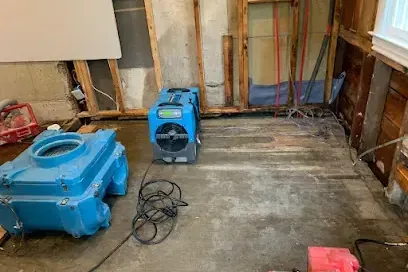
- Truck mounted extractors and submersible pumps clear standing water first
- Air movers push dry air across floors and low wall bases
- LGR and desiccant dehumidifiers pull moisture out of the air
- Moisture meters and thermal cameras show what the eye misses
What does water damage cleanup cost here?
Most Spring Lake Park jobs land between $1,200 and $9,000, depending on how far the water traveled, how long it sat and whether it was clean, gray or sewage water, with larger losses above that.
Small clean water leak
- One or two rooms dried without major tear out
- Extraction and air movers
- Readings until dry
Finished lower level
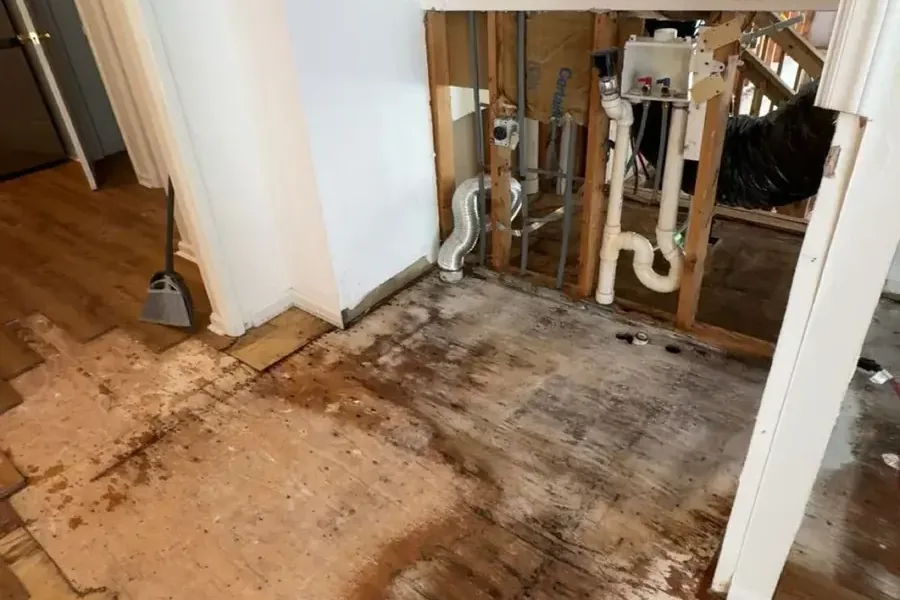
- Pad removed, flood cuts made
- Dehumidifiers and air movers
- Daily moisture records
Deep water or sewage
- Category 3 removal
- Containment and air scrubbing
- Extended monitoring
Sewage, deep water and long exposure push a loss toward the top tier. Final pricing follows the moisture map, and the daily logs show an adjuster why each piece of equipment ran.
Run the numbers for your lossEquipment and drying setups on water damage jobs
Dry to a measured goal, not a guess
Every job follows IICRC S500 practice: the source is stopped, wet materials are mapped, equipment is sized to the room, and readings repeat until each material reaches its dry goal.
Source and extraction
The leak or backup is stopped first, then pumps and extractors clear standing water from each surface.
Moisture mapping
Meters and a thermal camera trace wet drywall, framing and flooring so equipment goes where the water went.
Drying setup
Air movers, dehumidifiers and drying mats are placed by room size, material and class of loss.
Daily verification
Readings are logged each day, equipment is adjusted, and nothing leaves until the goals are met.
Records an adjuster can use
Carriers want to know what was wet, when it started and how it dried, so the file is built while the work happens instead of afterward.
- Photos of each wet room and item before work starts
- Moisture readings for every affected surface
- Equipment placement and daily run records
- Psychrometric logs showing the drying trend
- Final readings measured against the stated dry goals
When the cause affects coverage
A sudden pipe burst, a slow leak and a drain backup are often treated differently, and water that comes back up through a drain can fall under a separate endorsement, so the declarations pages are worth reading early in the claim.
The drying team documents the loss either way, and any coverage decision stays between the owner and the carrier.
Clean, gray and black water need different handling
Clean water
A split supply pipe or an overflowing sink starts as category 1 water, but it turns gray as it sits in carpet and framing.
Burst pipe water damageGray water
Dishwasher and washing machine discharge carries soap and food residue, which makes it category 2 and calls for careful removal of porous material.
Appliance and hose leaksBlack water
Sewage and floor drain backups carry bacteria and count as category 3, so wet carpet, pad and drywall come out and the rest is cleaned and treated.
Read about sewage and drain backupsWhat to do right after water shows up
- 01Shut off the water Close the fixture valve or the main shutoff. The city encourages owners to learn where their water shuts off in advance.
- 02Make it safe Turn off power to wet areas only if the panel is dry to reach, and keep people and pets away from standing water and sagging ceilings.
- 03Stop using drains Hold off on sinks, toilets, washers and dishwashers when a drain is backing up, since each flush can send more water inside.
- 04Photograph, then call Take photos and video of the damage and standing water, then call the restoration team before moving belongings or pulling carpet.
Report a loss from anywhere in town
Whether the water started in a Central Avenue shop or on a quiet rambler street, the drying team begins by learning where it came from and how far it spread.
Describe the source, what is wet and whether sewage is involved, and the crew explains the first moves and the work ahead.
(888) 432-4933Talk through your water lossWhere the crew works in Spring Lake Park
Work covers ZIP 55432, from the older residential streets in the north and northeast to the shops along University Avenue and Highway 65 and the newer homes in the southeast.
ZIP code covered
ZIP 55432 is the code the crew works under for residential streets, shops and apartment buildings, including the low ground between Laddie Lake and Spring Lake.
Neighborhoods and roads
Nearby cities

Where water trouble comes from around here
The city's own plan says sandy soil lets rain soak in before it reaches buildings, so flooding is not the main story here. Most losses start inside, from pipes, appliances, roofs and drains.
- Low ground near the lakes The city counts 15 wetlands, mostly east of Highway 65 in the low area between Laddie Lake and Spring Lake, and lists groundwater in low areas around lakes as a source of extra sewer water.
- Older ramblers About 58.6 percent of homes were built before 1970, so aging roofs, water heaters and fixtures are the usual suspects when a leak starts indoors.
- Storm sewer age Most of the storm sewer and pond system was built before 1980, and parts do not meet the current 5 year design standard, so hard rain can strain it.
- Winter cold Hard freezes crack supply pipes, and thaw cycles push melt under roof edges and into walls, so cold snaps bring frozen pipe and ceiling losses.
January 2020: Public Works reported two water main breaks that month, a reminder that deep cold strains buried city pipes and that every household should know where its own shutoff valve sits.
Water damage questions from local owners
Water still rising?
Pumps and extractors go after standing water first, so describe how deep it is and where it comes from.
(888) 432-4933 (888) 432-4933Describe the flooding to the crewHow fast should water damage be dried?
Start as soon as possible, because wet drywall and framing can begin growing mold within 24 to 48 hours. Standing water goes first, then air movers and dehumidifiers run until readings reach the dry goals.
Does homeowners insurance cover cleanup?
Sudden events such as a burst pipe or a failed water heater are commonly covered, while seepage and neglected leaks often are not. Policy wording decides, and the carrier makes the final call.
Are Spring Lake Park homes on septic or city sewer?
Every property here uses city sewer and no septic systems operate in town, so a sewage backup traces to the house drain or the sewer rather than a tank. Public Works checks a blocked sewer pipe around the clock at no charge to find where the problem lies.
Does sandy soil keep lower levels dry?
Not always. The Anoka Sandplain soil usually lets rain soak in, but low ground near the lakes keeps groundwater closer, and a failed sump pump or a burst pipe ignores soil entirely.
Can a sump pump drain into the sewer?
City code Section 50.20 prohibits sump pumps, foundation drains and roof leaders from draining into the sanitary sewer, so a failed sump pump still has to discharge outside the sewer system.
What should happen before the crew starts?
Stop the source, keep power away from wet areas, photograph the damage and move small items to dry ground. The crew handles extraction, tear out and drying from there.
How long do drying machines run?
Most structures dry in three to five days, though hardwood, concrete and wall cavities can take longer. Daily readings decide when equipment comes out, not a calendar.
How are rentals and apartments handled?
About 29 percent of occupied homes were rentals, so many losses involve both a tenant and a landlord. Photos and written moisture readings help each side show what happened.
Do shops and offices get the same service?
Retail and service buildings along University Avenue, Highway 65 and Highway 10 get phased drying and after hours work so the business can keep operating while the structure dries.
Does cleanup include rebuilding walls and floors?
The work covers extraction, tear out, drying and sanitizing. Rebuilding is separate, and the final dry readings tell a contractor the structure is ready for new material.
Wet materials do not wait, so neither should the call
Spring Lake Park owners reach a drying team that knows ramblers, rentals and shops, explains the plan before equipment is set and documents every step for the claim.
(888) 432-4933Call before the damage spreads