Ice Dam Water Damage in Spring Lake Park, MN
Snowmelt that backs up behind an ice ridge at the roof edge soaks insulation and ceilings below, and the crew removes the wet material and dries the walls and attic edge.
(888) 432-4933Call about an ice dam leak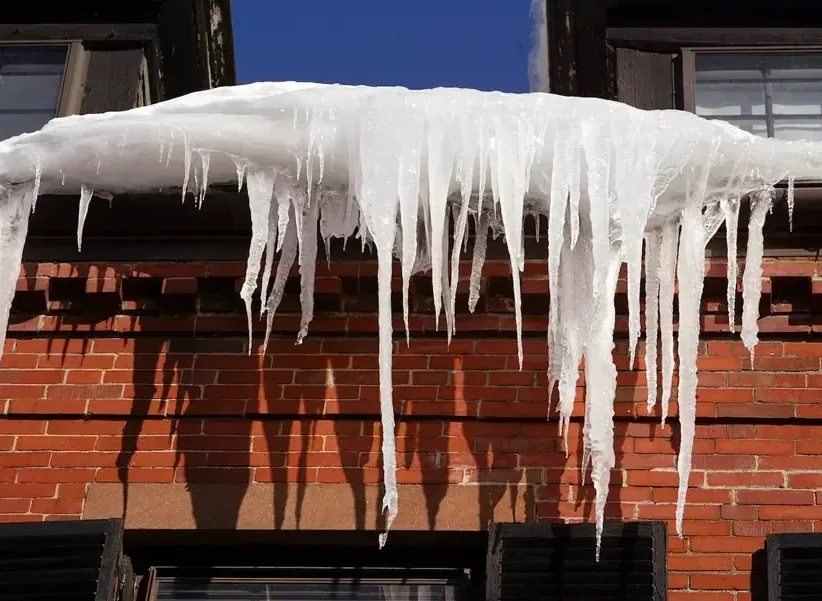
First steps for ice dam water damage
- 01Keep off the roof Never climb an icy roof; call a pro to remove ice safely.
- 02Protect the room Move furniture and place pans or plastic under active drips.
- 03Check the attic Look for wet insulation near the eave and note the area.
- 04Photograph the stains Capture ceilings, wall tops and icicles before they melt.
An ice dam forms when heat from the house melts snow on the roof and the water refreezes at the cold eave. Melt that cannot drain backs up under the shingles and finds its way into the attic edge. Winter storms such as the March 14 and 15, 2026 blizzard, which disrupted travel across much of Minnesota and Wisconsin, can load roofs with snow, and that is when ice dams tend to start.
What does ice dam water damage cost in Spring Lake Park, MN?
Ice dam damage usually costs $1,500 to $8,000, depending on how many rooms were stained, how much insulation is wet and whether the walls and ceilings have to be opened, and the damage is usually limited to the top of the home.
One ceiling corner
- Ceiling dried or patched
- Attic edge checked
- Readings
Several rooms and attic
- Wet insulation removed
- Ceiling sections opened
- Dehumidification
Walls and ceilings opened
- Wall tops opened
- Several rooms
- Extended monitoring
Ranges are typical, not a quote: the water category, square footage, material class and how fast drying started move the number most. The water damage cost calculator gives a closer range.
How ice dam water damage is handled, step by step
The tech who does the walkthrough maps moisture before any equipment goes down, and the equipment stays until the readings say dry.
Find the wet zone
Meters and a thermal camera map damp ceilings and wall tops.
Remove wet material
Soaked insulation and drywall are taken out.
Dry the space
Air movers and dehumidifiers dry the affected rooms.
Confirm dryness
Readings are logged before anything is closed.
What an ice dam leak damages
- Ceiling drywall along the outside walls
- Insulation that holds water against the framing
- The tops of exterior walls, where stains and mold can start
- Paint and trim near windows under the eave
The stain often appears days after the leak began, which can hide how much insulation is wet.
Drying from the top down
The crew starts in the attic edge or the ceiling cavity, removes wet insulation, and opens drywall where meters show moisture. Dehumidifiers and air movers then dry the room and the wall tops. A leak from a worn roof surface follows a similar path and is covered under roof leak water damage.
Keeping the next thaw dry
Ice dams are usually an insulation and ventilation issue. A roofer or insulation contractor can reduce heat loss at the eave, and the Spring Lake Park hub lists the drying services that follow a winter leak.
Ice dam water damage across Spring Lake Park and nearby communities
Ice dam work covers homes across the city after snowy winters, with the older rambler neighborhoods in the north and northeast parts of town, and apartment buildings and shops along Highway 65 and University Avenue.
The same service nearby: ice dam water damage in Andover, Blaine, Ham Lake.
Every town coveredRelated water damage services in Spring Lake Park
Ice Dam Water Damage questions in Spring Lake Park, MN
Water still coming in?
Water behind an ice dam keeps seeping while the roof stays loaded with snow, so ceilings need attention early.
(888) 432-4933 (888) 432-4933Report an ice dam leakWhat causes an ice dam?
Heat escaping into the attic melts roof snow, and the water refreezes at the cold eave. The ridge then blocks drainage and forces melt under the shingles. Warm air leaking from living space is the usual source.
Is ice dam damage covered?
Many policies cover sudden interior water damage from ice dams, but wording varies. The carrier decides, and the crew supplies photos, readings and dry logs.
Can I remove the ice myself?
Chipping ice can damage shingles and is dangerous on a ladder. Roof raking from the ground or a professional steam service is safer.
Will the ceiling stain go away?
Stains can fade once the cavity is dry, but wet drywall that sagged usually has to be replaced. A stain blocking primer is needed before paint.
Does wet insulation matter?
Yes. Wet insulation loses its value and keeps water against framing, so it is removed rather than left to dry in the attic.
Does heavy snow always cause a leak?
No. Heavy snow raises the odds only when heat loss at the roof melts it. A well insulated, ventilated roof can handle deep snow.
Dry the ceilings before the next thaw
The drying team removes wet insulation, dries the ceiling and wall tops and records the readings for the claim.
(888) 432-4933Ask about ice dam damage