Commercial Water Damage in Anoka, MN
Water in a shop, office or plant stops work and puts inventory and records at risk. In Anoka, crews extract the water, phase the drying around operations and document each suite.
(888) 432-4933Get the building dried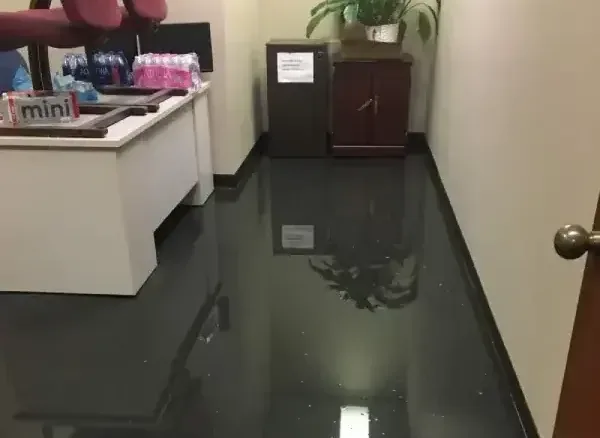
First steps for commercial water damage
- 01Secure the space Close the source, keep people out of wet areas and cut affected power.
- 02Protect inventory Raise stock, files and equipment onto pallets or shelves.
- 03Alert building contacts Notify the owner, manager and tenants so each affected suite is checked.
- 04Document everything Photograph each space, the source and any damaged inventory before it is moved.
Downtime costs a business as much as the wet floor does. The goal is to remove water, protect operations and records, and dry the building in phases so tenants can keep working where the space allows.
What does commercial water damage cost in Anoka, MN?
Commercial pricing follows square footage, the number of suites, the water category and how much work must happen after hours. A small shop is priced at the low end, while a multi-tenant floor or a large building with contaminated water reaches the top range.
One suite or small shop
- Water pumped and extracted
- Phased drying plan
- Readings each day
Multiple suites or one floor
- Containment built
- Evening and weekend work
- Records for every suite
Large building or category 3
- Large loss equipment
- Tear-out where needed
- Project reporting
Ranges are typical, not a quote: the water category, square footage, material class and how fast drying started move the number most. The water damage cost calculator gives a closer range.
How commercial water damage is handled, step by step
The tech who does the walkthrough maps moisture before any equipment goes down, and the equipment stays until the readings say dry.
Assess
A walkthrough maps wet suites and what must stay open.
Pump and isolate
Water is extracted and category 3 areas are sealed off.
Stage the drying
Equipment goes in by zone so tenants can reopen sooner.
Report
Readings and logs are compiled for owners and insurers.
A city of employers
The city counts over 700 employers and 13,400 jobs, concentrated in government, services and manufacturing, and the 260 acre Enterprise Park houses industry and manufacturing. Each building type brings different floors, equipment and records to protect.
How a commercial job is run
- Extraction and containment set up first
- A drying plan split by suite or zone
- Moisture readings logged per area
- Tenant and owner updates at each stage
Large losses can use desiccant dehumidification, drying mats on concrete and heavy extraction units, and category 3 water is removed under containment.
Business owners also need a written record of closure, equipment runs and inventory moved, since business interruption claims depend on it.
Shared floors and ceilings
Multi-tenant buildings often combine shops, offices and storage, so water can cross suites through shared floors and ceilings. Mapping each space separately keeps records clean for owners, tenants and insurers. Structural drying is the same method at a larger scale.
Commercial water damage across Anoka and nearby communities
Commercial work covers offices, shops, schools, warehouses and manufacturing space across the city, from historic downtown and the Enterprise Park employer district to the Highway 10 and Highway 169 corridors and the rest of the service area.
The same service nearby: commercial water damage in Andover, Blaine, Oak Grove.
Every town coveredRelated water damage services in Anoka
Commercial Water Damage questions in Anoka, MN
Water still coming in?
Water in the shop or office? Extraction and phased drying can start while owners and tenants are contacted.
(888) 432-4933 (888) 432-4933Get the building assessedCan a business stay open during drying?
Often partly. Work is phased by suite or zone, with containment, air scrubbers where needed and equipment placed to keep walkways, power and operations running.
Who pays, the owner or the tenant?
The lease and the cause decide. Building owners usually insure the structure and tenants insure contents and improvements, so records are kept by suite.
How is inventory handled?
Stock is photographed, moved or raised before extraction, and salvageable items are separated from contaminated ones so the loss list is accurate.
Does business interruption coverage apply?
Many commercial policies include it, usually after a covered water loss closes or limits the business. Records of closure dates and equipment runs support the claim.
How long does a commercial job last?
Small shops dry in several days, while multi level or concrete heavy buildings can take weeks. Phased handoffs let finished suites reopen early.
Dry the building and keep work moving
Extraction, containment and phased drying are planned around operations, with suite by suite readings and photos saved for owners and insurers.
(888) 432-4933Call about the building